15 best summer destinations in Asia for sunshine

Sometimes I find myself drawn to places described as summer destinations, even though summer has never been my favourite season. I don’t love the heat, and I’m not naturally inclined to plan trips around it.
Still, through my time working on cruise ships, many of the places I’ve experienced across Asia tend to be visited during summer months.
In this post, I’ve gathered some of the best summer destinations in Asia, including several cool summer destinations in Asia that feel more manageable and less overwhelming.
These are places where summer doesn’t necessarily mean peak heat, but rather better conditions – whether that’s higher elevations, coastal breezes, longer daylight hours, or short seasonal windows that make travel easier.
The best travel destinations in Asia for a summer vacation
The Japanese Alps, Japan
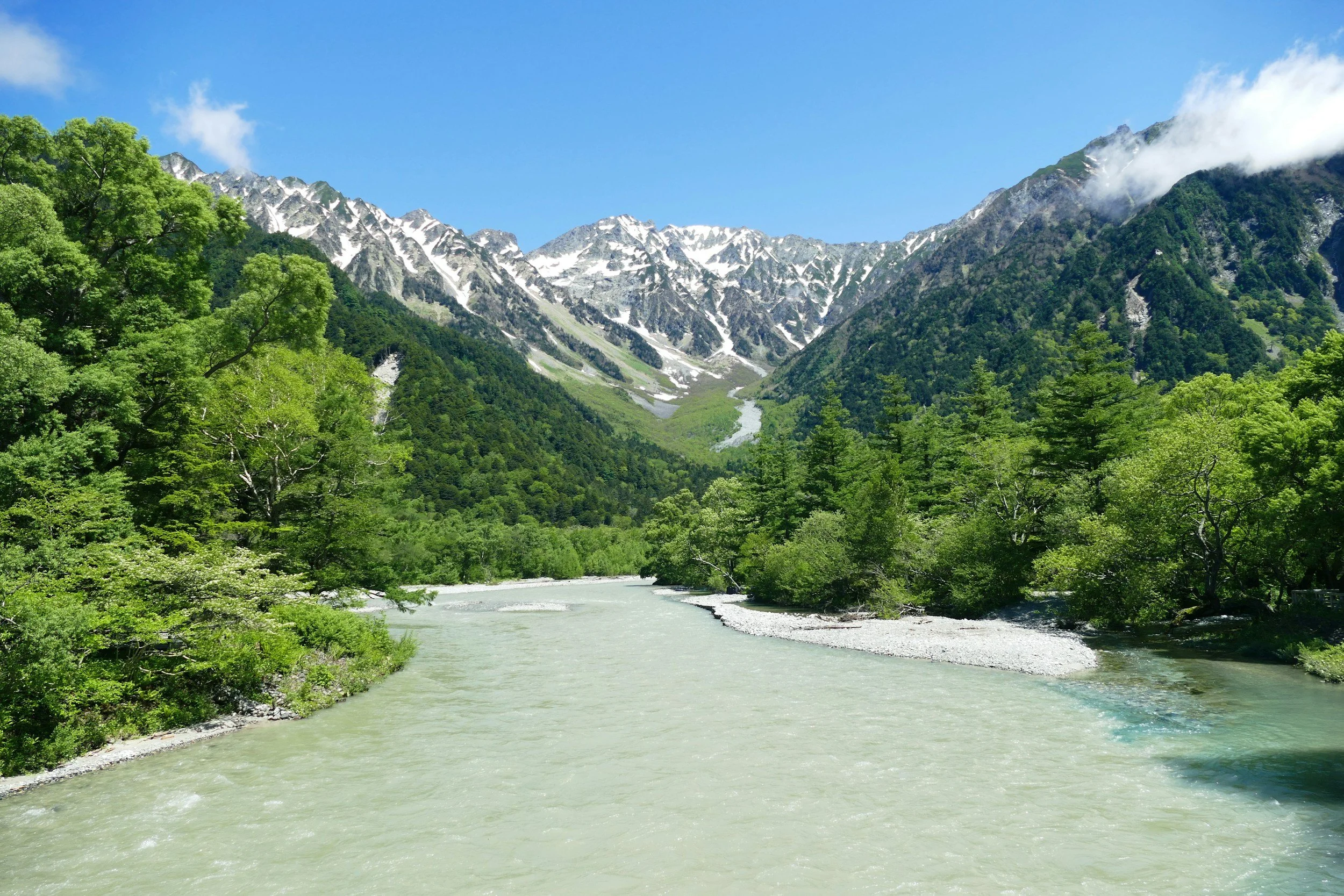
While much of Japan leans into heat and humidity, this mountainous region offers a version of summer shaped by elevation, open air, and long days that feel easier to move through.
Summer here brings green valleys, alpine trails, and highland towns. The warmth is present, but moderated by cooler nights and higher ground, creating conditions where walking, hiking, and spending time outdoors feels comfortable rather than exhausting.
Okinawa, Japan
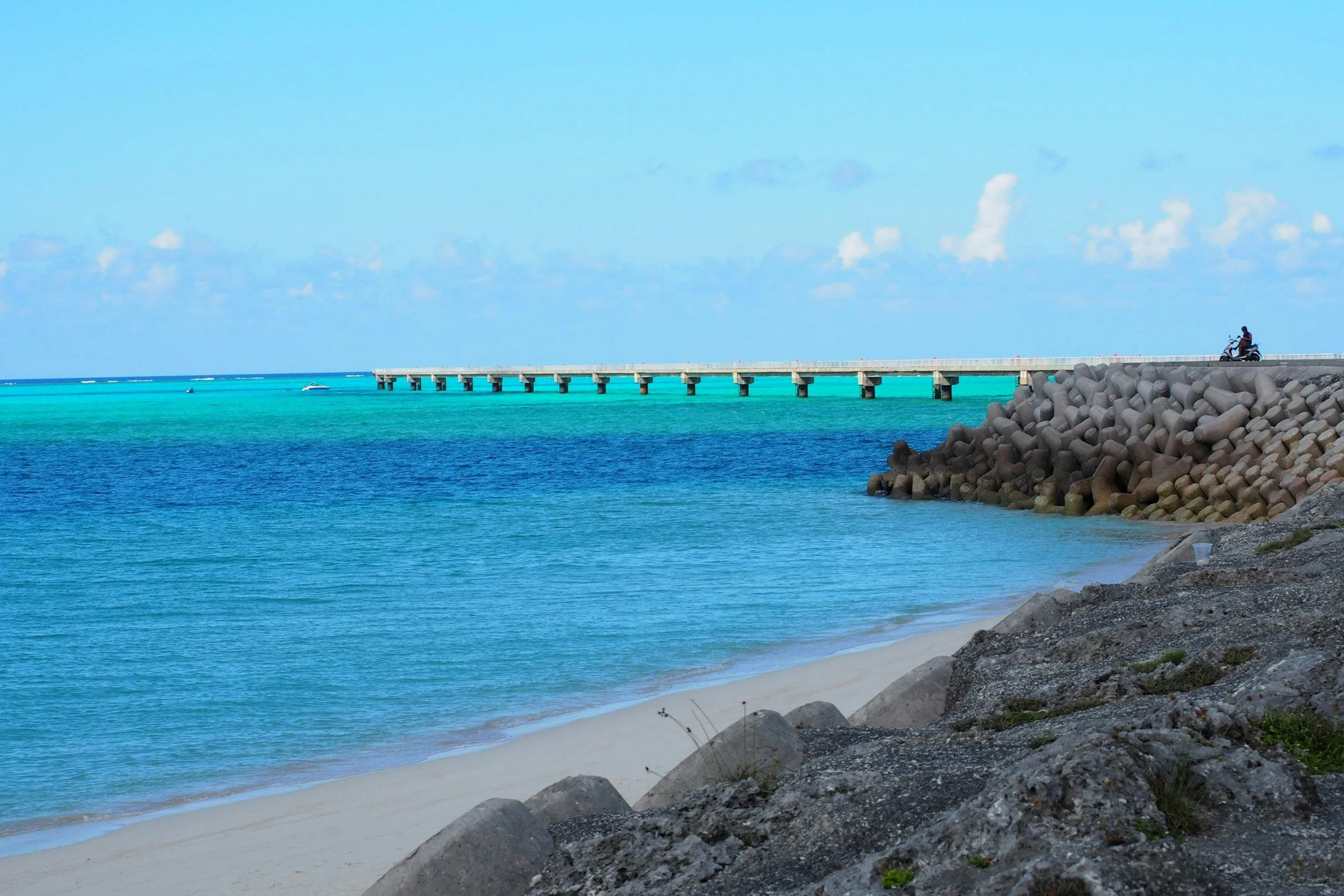
Okinawa as a whole does not align perfectly with a classic summer travel window, as early summer can bring high humidity, frequent showers, and occasional typhoon risk. However, parts of the prefecture become more suitable as the season progresses.
Ishigaki, in the Yaeyama Islands, stands out as the best summer option. Its more remote location often sees clearer skies and calmer seas, with good conditions for snorkelling and diving at spots such as Kabira Bay. The surrounding islands also feel less urban and more focused on outdoor coastal activities.
Miyakojima is another option, known for long stretches of pale sand and clear water, while Okinawa’s main island, particularly around Naha, tends to feel more built-up and humid during summer months.
Gangwon-do, South Korea
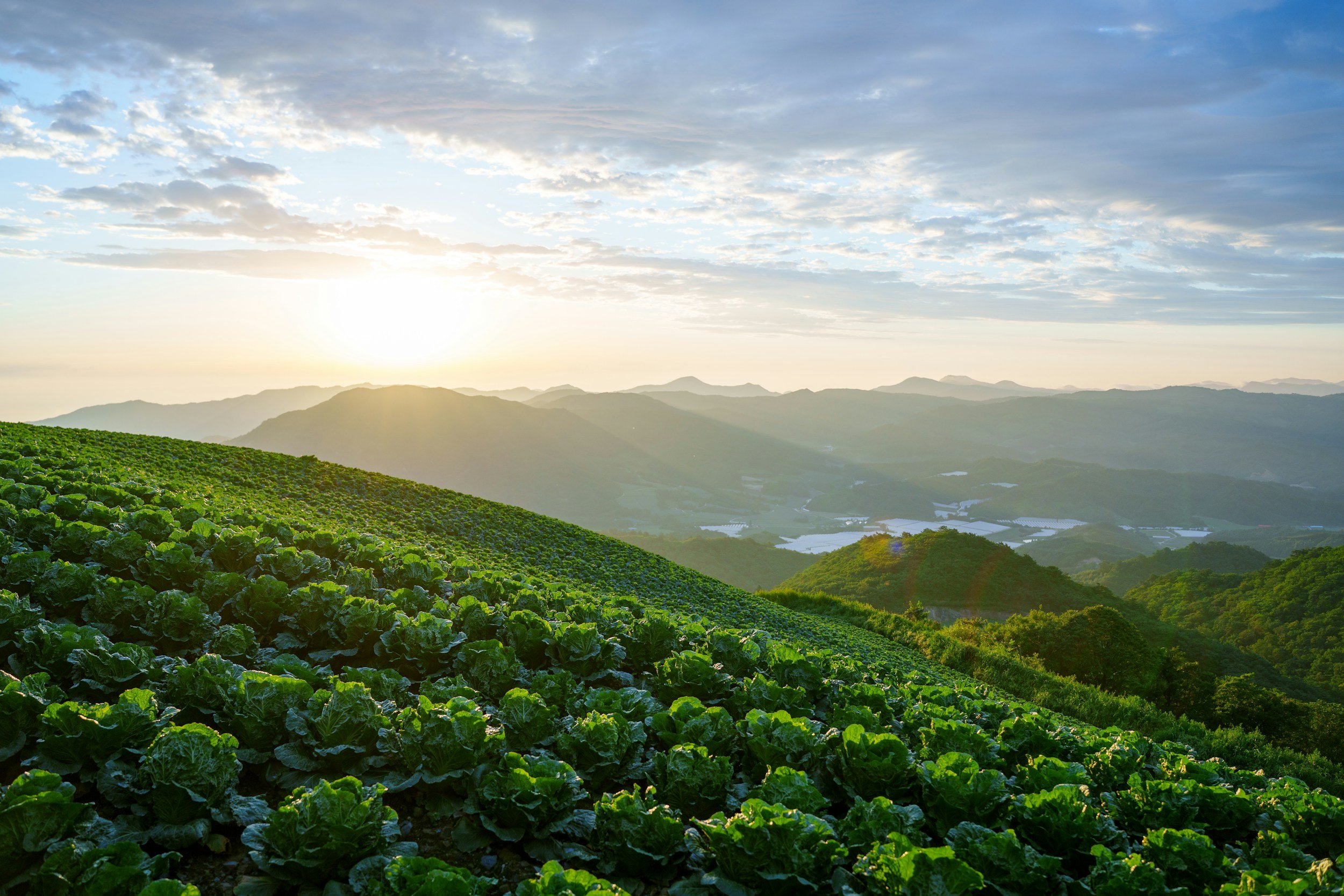
Gangwon-do is a region where the coast and mountains are close enough to explore within the same trip. It is known for its long eastern coastline and forested inland areas, offering a mix of beach destinations and natural landscapes.
Along the east coast, there are seaside towns, wide beaches, and fresh seafood. the region is home to national parks, hiking trails, and valleys, making it suitable for travellers who enjoy spending time outdoors.
Nha Trang, Vietnam
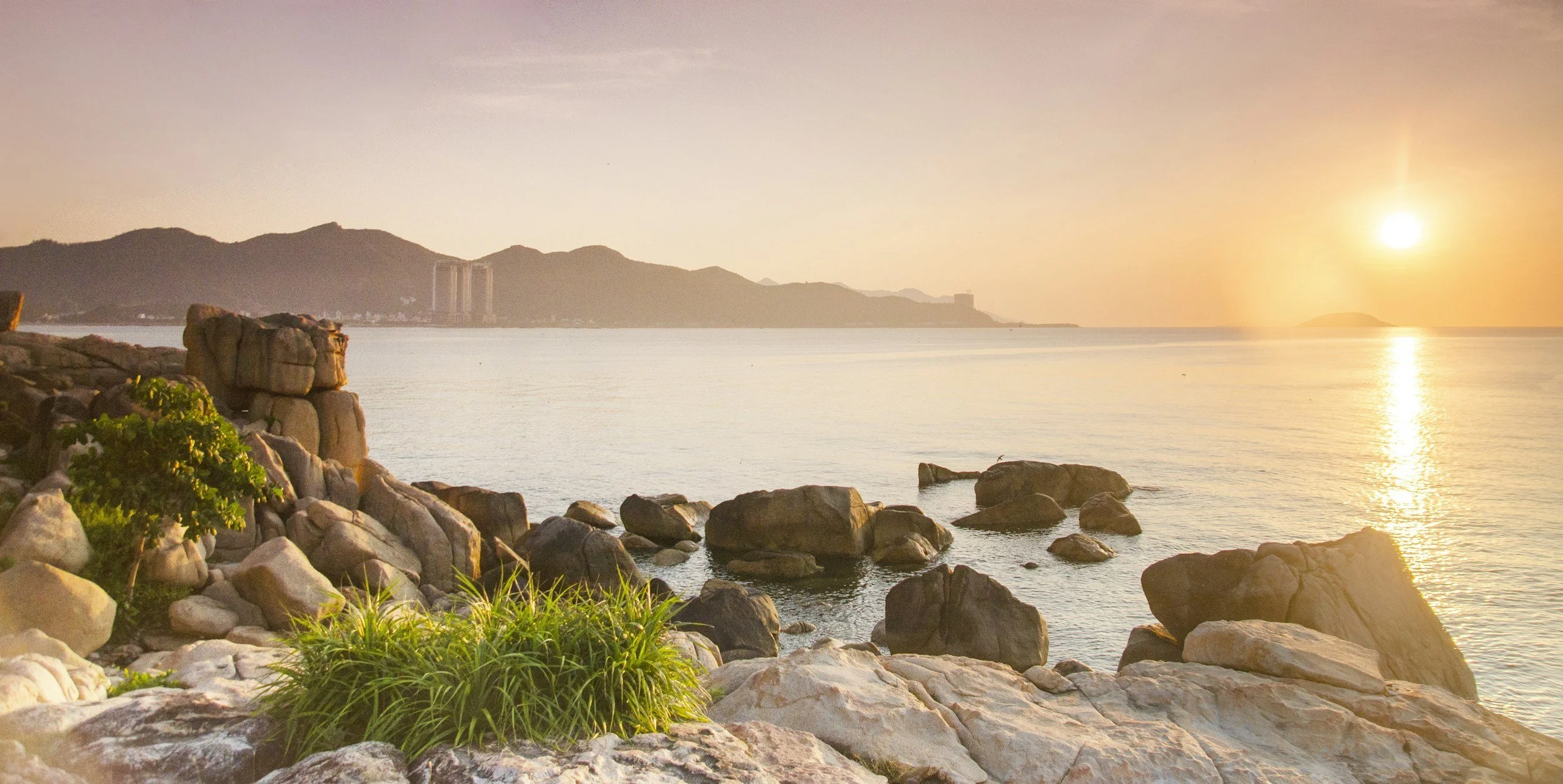
Nha Trang is a coastal city in central Vietnam where warm, dry days shape most of the year, making it feel naturally suited to summer-style travel.
The main beach runs alongside the city, making it convenient for swimming, water activities, and seaside walks without leaving the urban area.
Beyond the shoreline, nearby islands, fresh seafood, and waterfront cafes add variety, making Nha Trang a practical choice for warm-weather travel that feels close to summer.
Da Nang & Hoi An, Vietnam
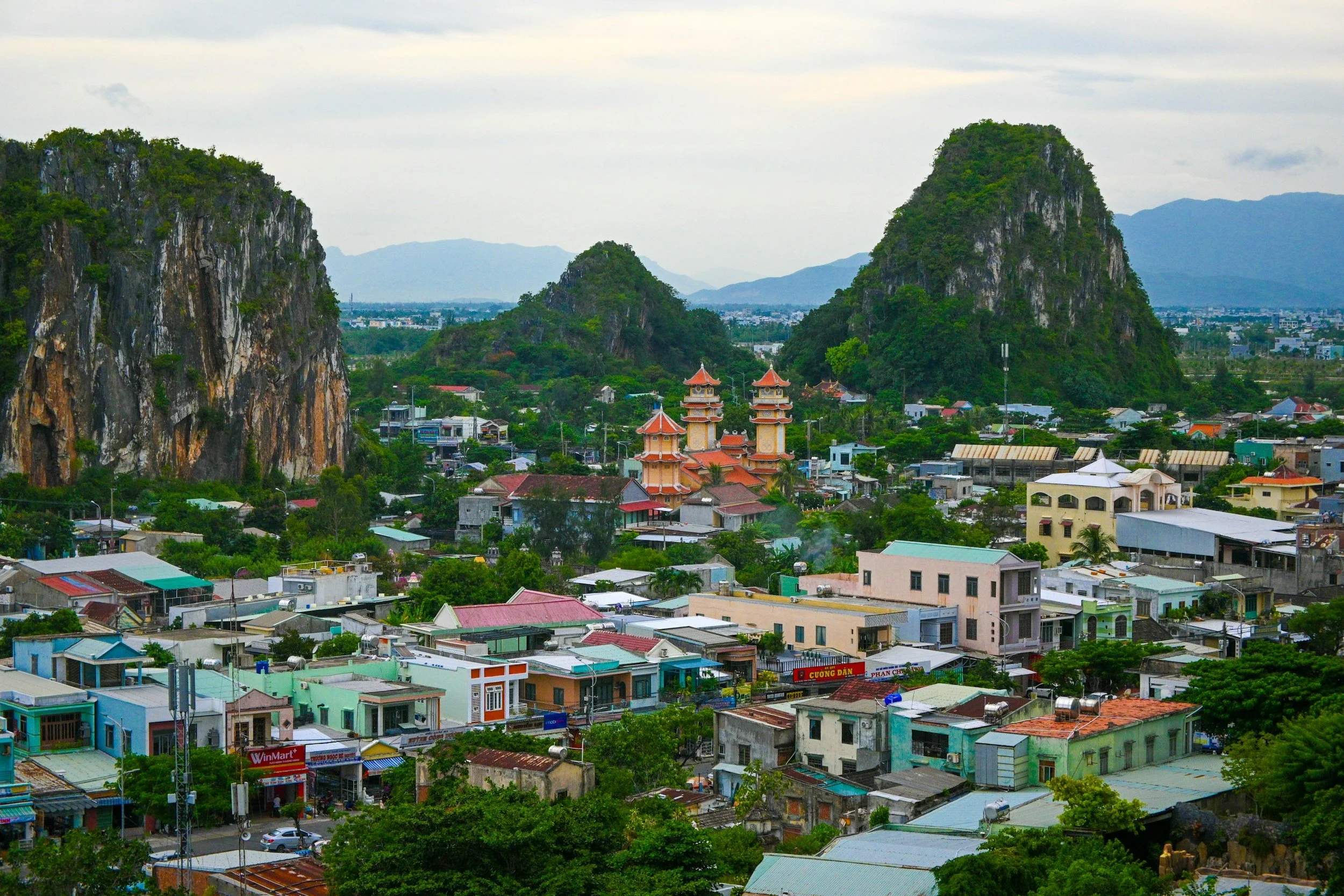
Da Nang and Hoi An are often paired together, offering a mix of warm-weather beaches, urban comforts, and cultural depth within a short distance of each other.
Da Nang features wide sandy beaches, a developed food scene, and nearby mountains, while Hoi An is known for its preserved old town, riverside setting, and more traditional rhythm.
Together, these two destinations allow travellers to move between beach days, short hikes, and cultural sightseeing at an easy pace, creating a style of travel that feels relaxed, sun-filled, and well-suited to a summer-like escape.
Gulf Coast Islands, Thailand
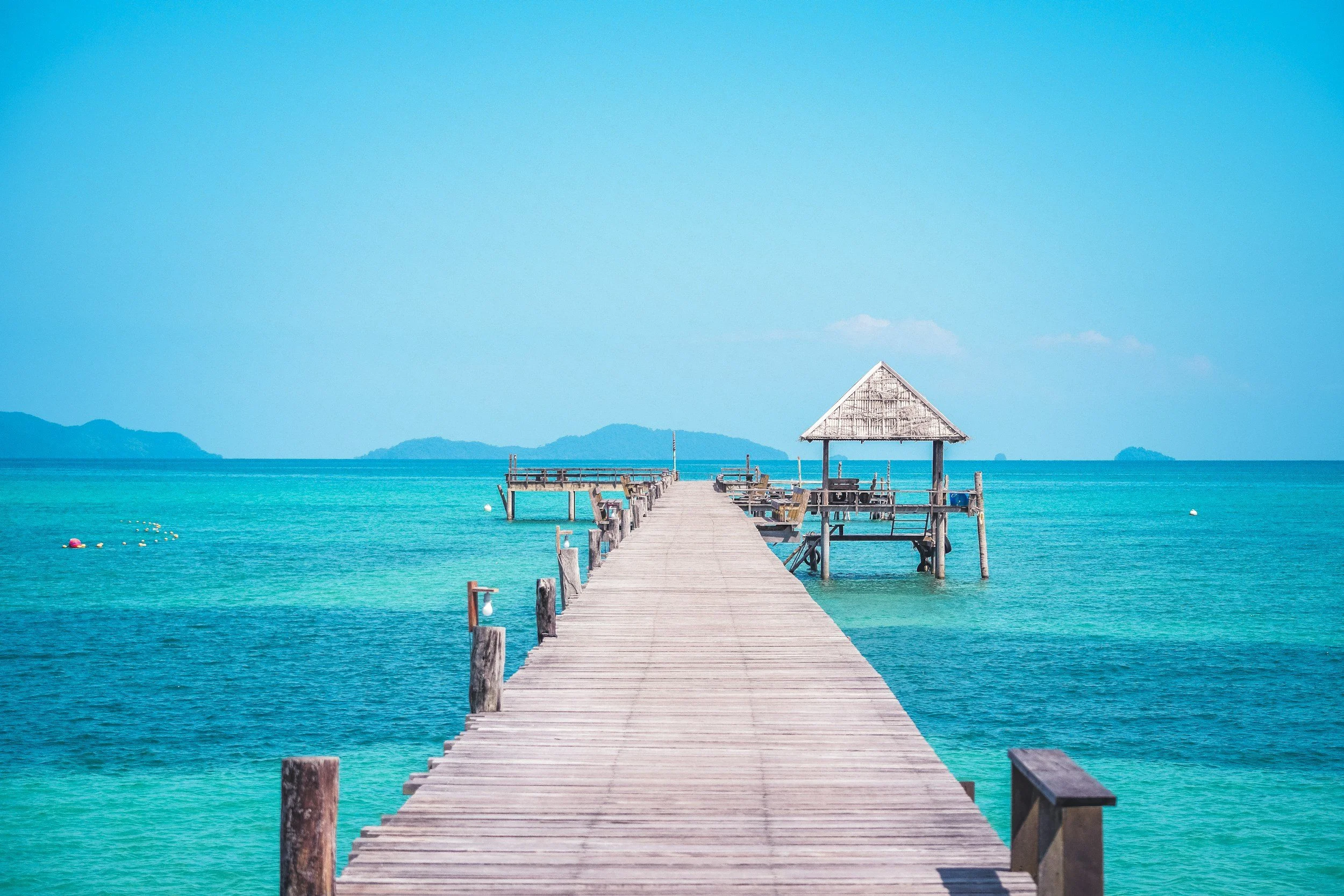
Thailand’s Gulf Coast islands don’t follow a traditional summer calendar, but much of the year carries the same bright, beach-centred energy people associate with the season.
Ko Samui, Ko Phangan, and Ko Tao are shaped by hot days, clear water, and daily activities that revolve around the sea. Time here is often spent swimming, diving, or moving between beaches and small coastal towns, with fewer interruptions from seasonal rain compared to Thailand’s west coast.
East Coast Islands, Malaysia
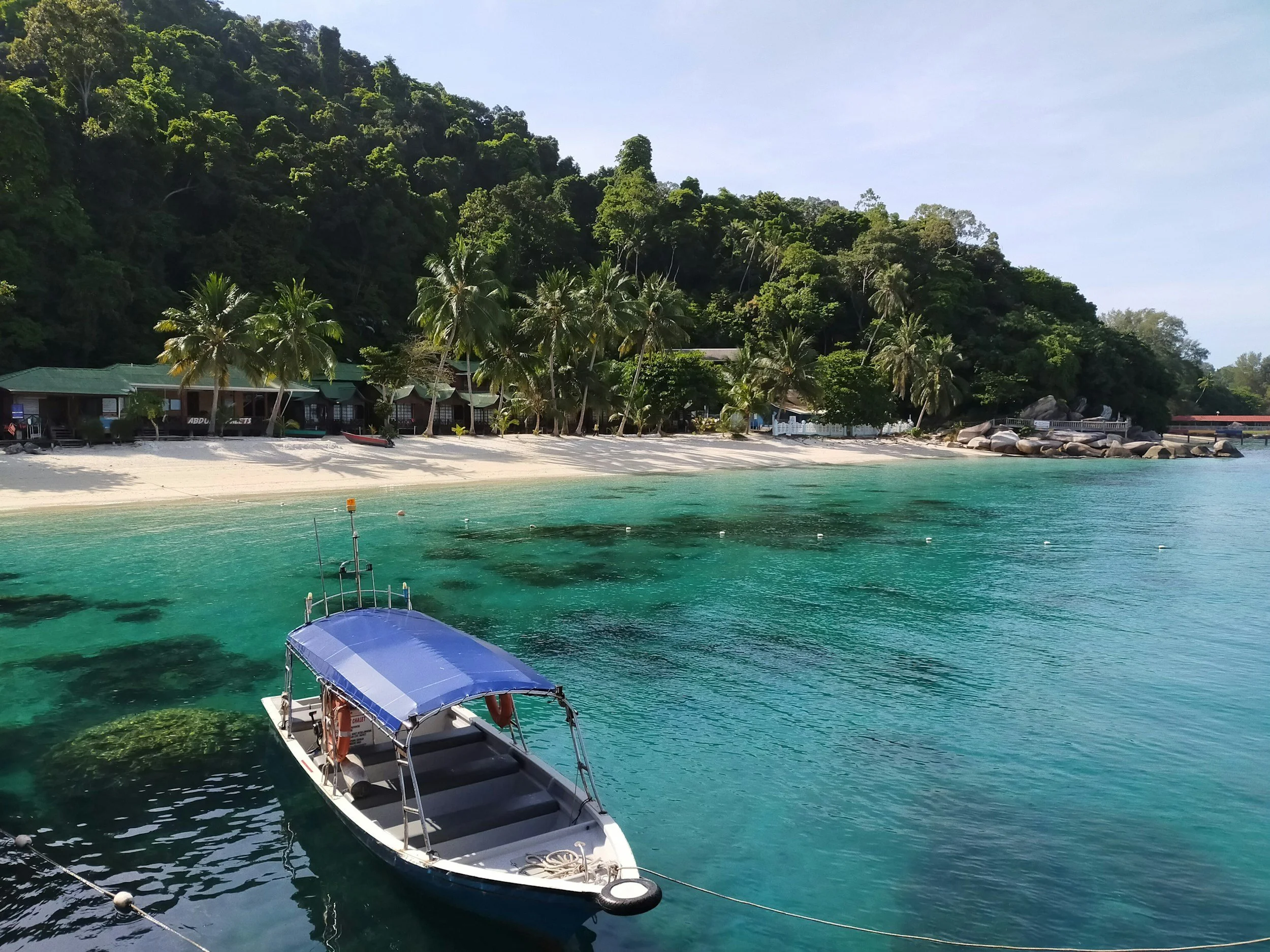
Malaysia’s east coast islands are among my personal favourites and are best experienced during the middle of the year, when calmer seas and clearer days suit beach-focused travel.
Islands such as Perhentian, Redang, and Kapas are known for pale sand, clear water, and a range of beach resorts. Days typically revolve around swimming, snorkelling, and spending time outdoors in a relaxed island setting.
Komodo & Flores, Indonesia
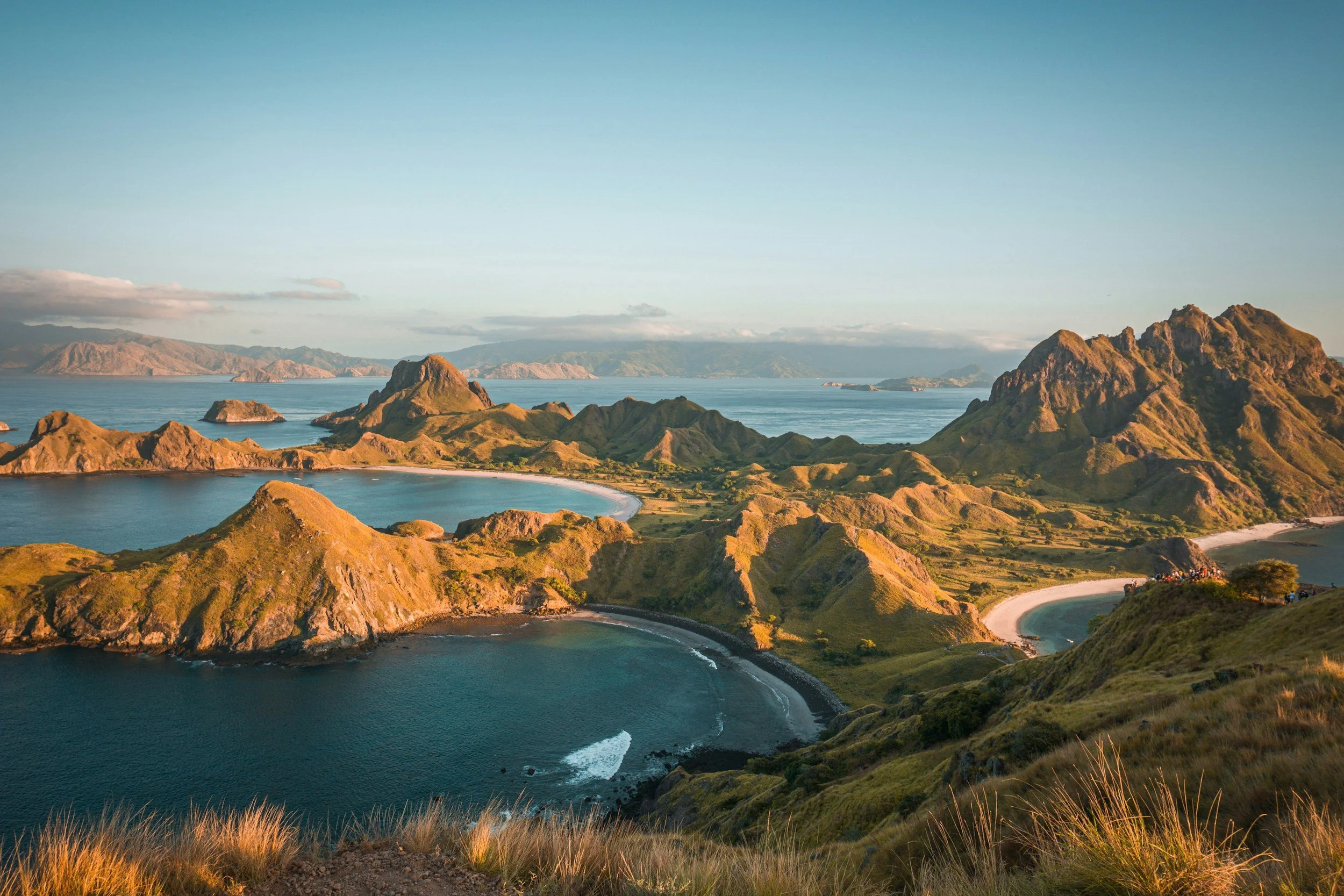
Komodo and Flores are closely connected destinations in eastern Indonesia, known for pink-sand beaches, rich marine life, and wildlife encounters.
Flores Island serves as the main gateway, while Komodo Island, part of Komodo National Park, is home to the famous Komodo dragons. Travel here typically centres on diving, snorkelling, and boat trips between islands, with much of the experience shaped by time spent on the water.
Lombok & the Gili Islands, Indonesia
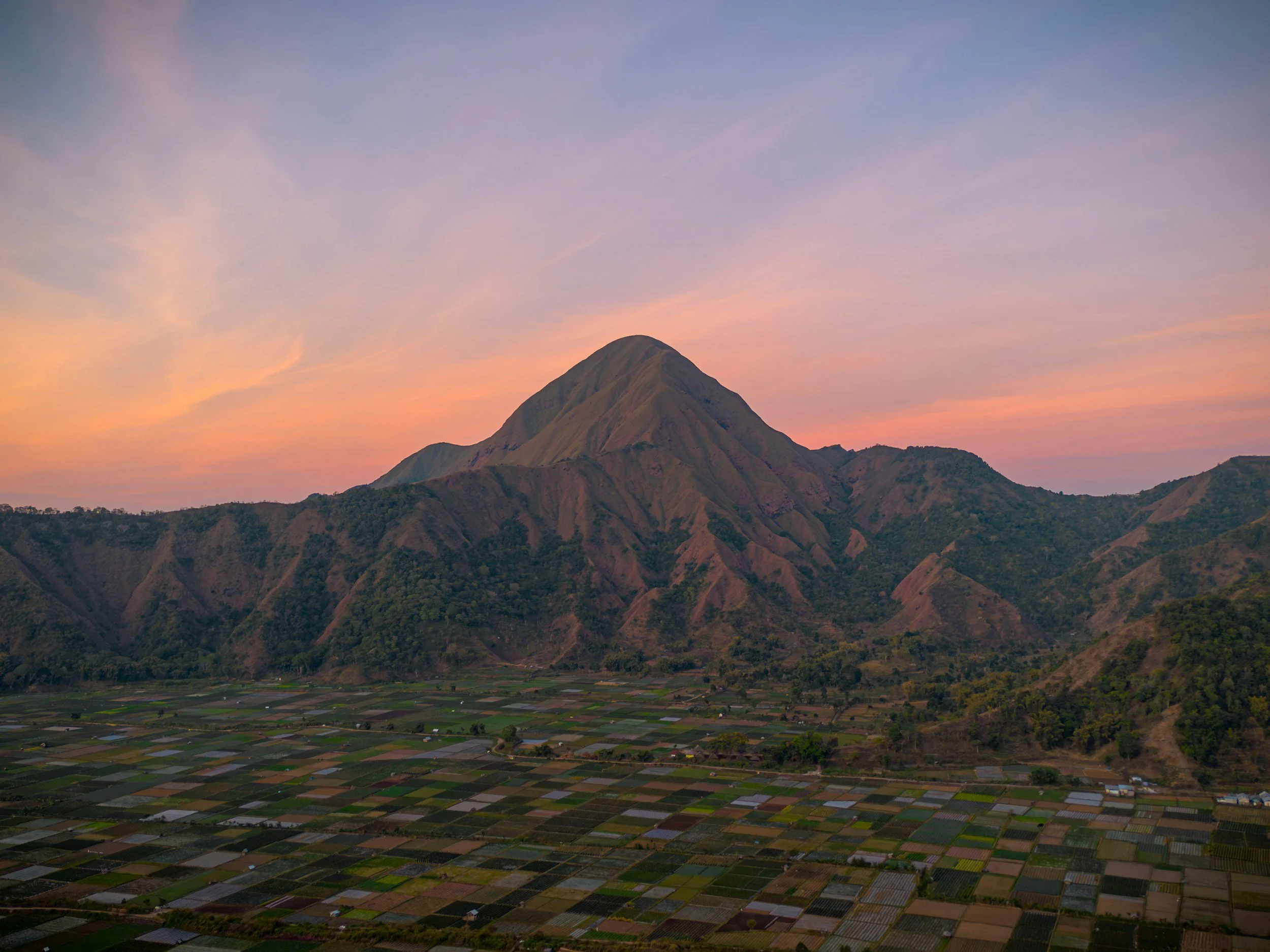
Lombok and the nearby Gili Islands offer an alternative to Bali’s busier beach scenes, with a more relaxed atmosphere and a strong focus on coastal experiences.
Lombok features expansive beaches such as Kuta and Senggigi, views of Mount Rinjani’s volcanic landscape, and laid-back towns.
Just offshore, the Gili Islands – Gili Trawangan, Gili Meno, and Gili Air – are known for powdery white sand, clear turquoise water suitable for shore snorkelling, and a car-free setting where cycling and walking are the main ways to get around.
Bali, Indonesia
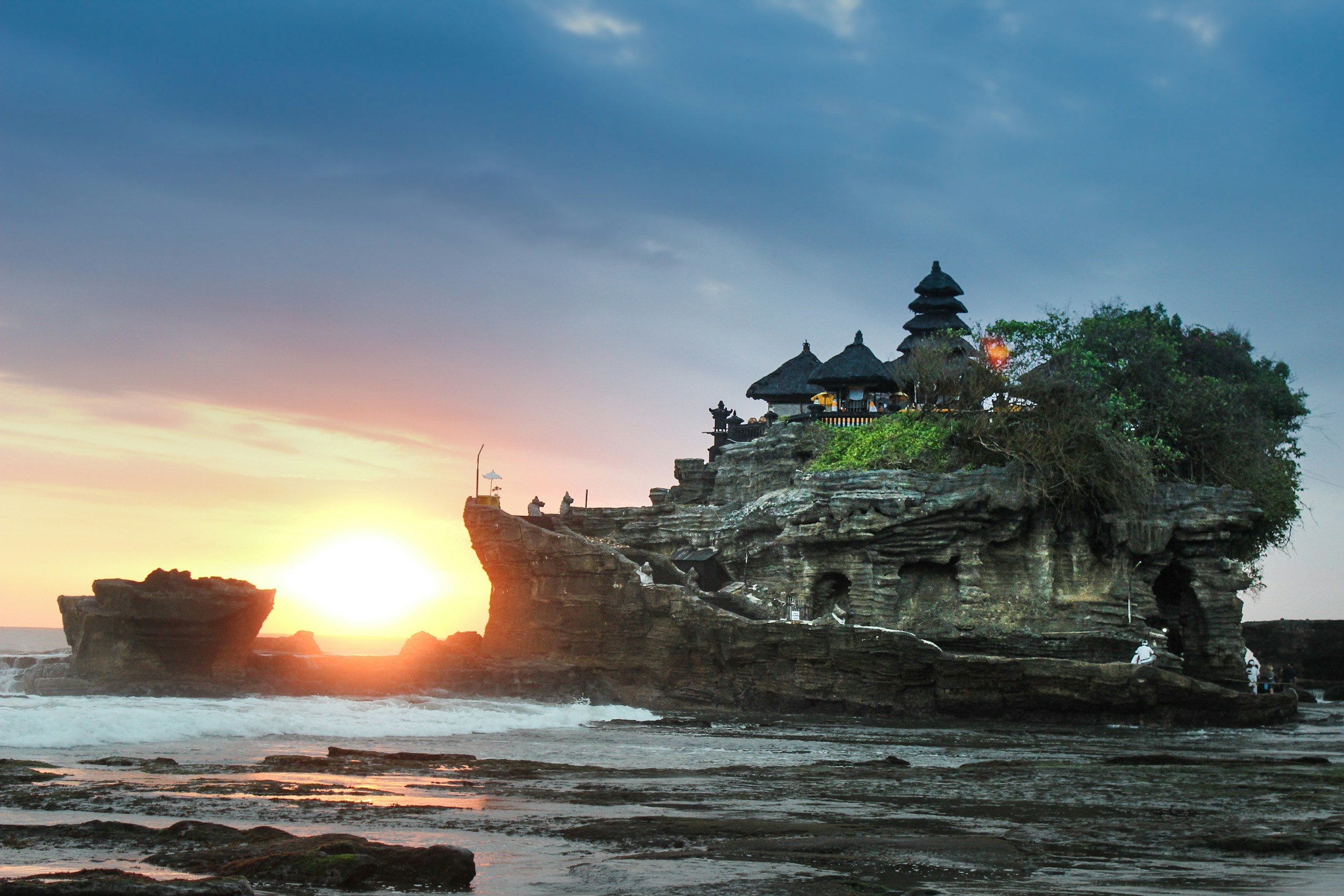
Bali’s southern coastline offers some of Southeast Asia’s most recognisable beach settings, shaped by surf breaks, dramatic cliffs, and long evenings by the sea.
Seminyak is known for its beach clubs and sunset dining, Nusa Dua for calm, resort-lined beaches, and Uluwatu for cliffside views, temple sites, and surfing at spots such as Padang Padang.
Across this part of the island, generally dry conditions support a travel rhythm centred on beaches, outdoor dining, consistent surf, and sunset views.
Upper Mustang, Nepal
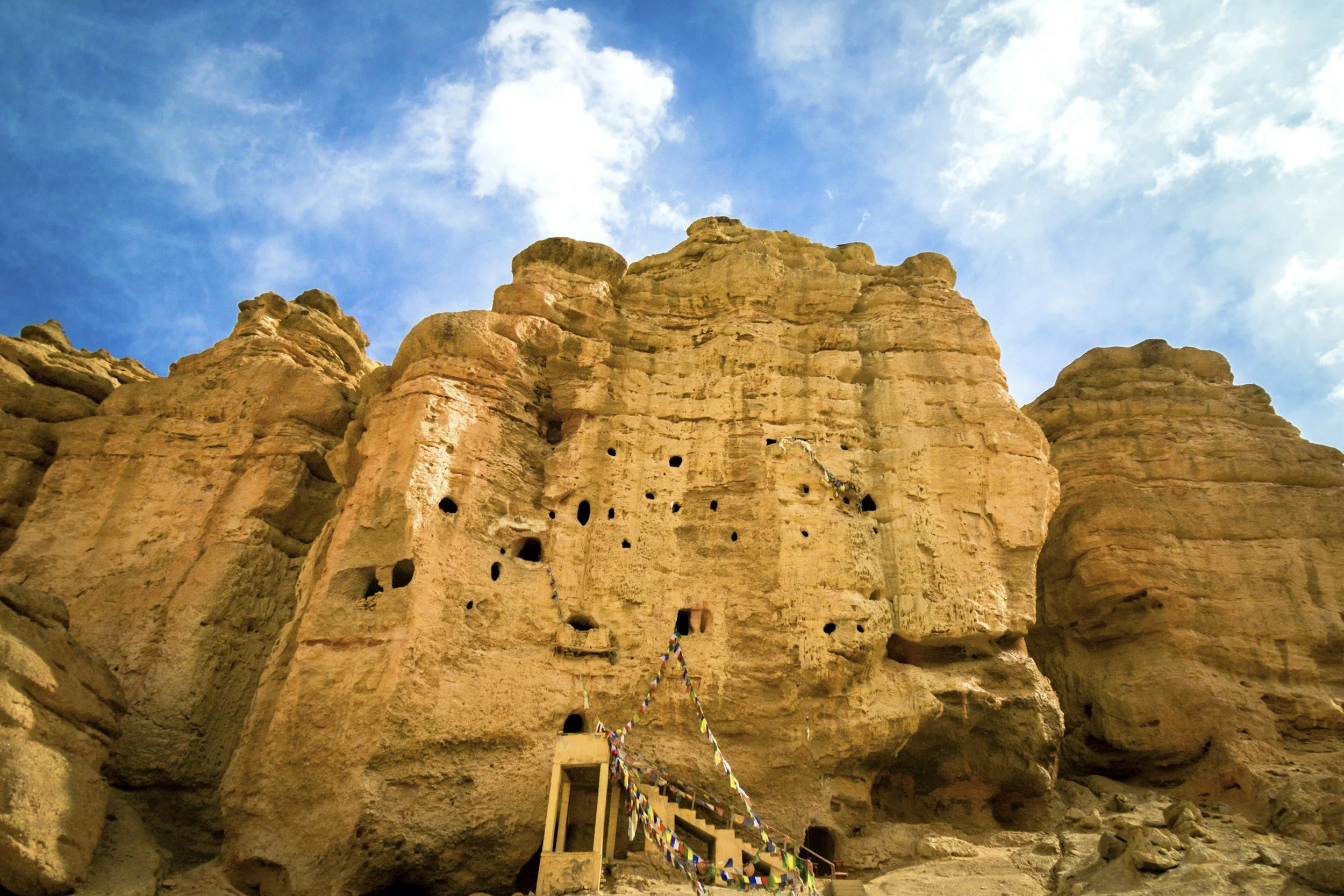
Upper Mustang sits apart from much of Nepal, with a high-altitude desert landscape and open valleys that remain accessible when other regions are affected by monsoon weather.
Travelling here in the warmer months brings clear skies, dry trails, and long days spent moving between traditional villages, monasteries, and wide, wind-carved terrain.
The altitude keeps temperatures moderate, and the environment feels quiet and expansive rather than hot or crowded.
Ladakh, India
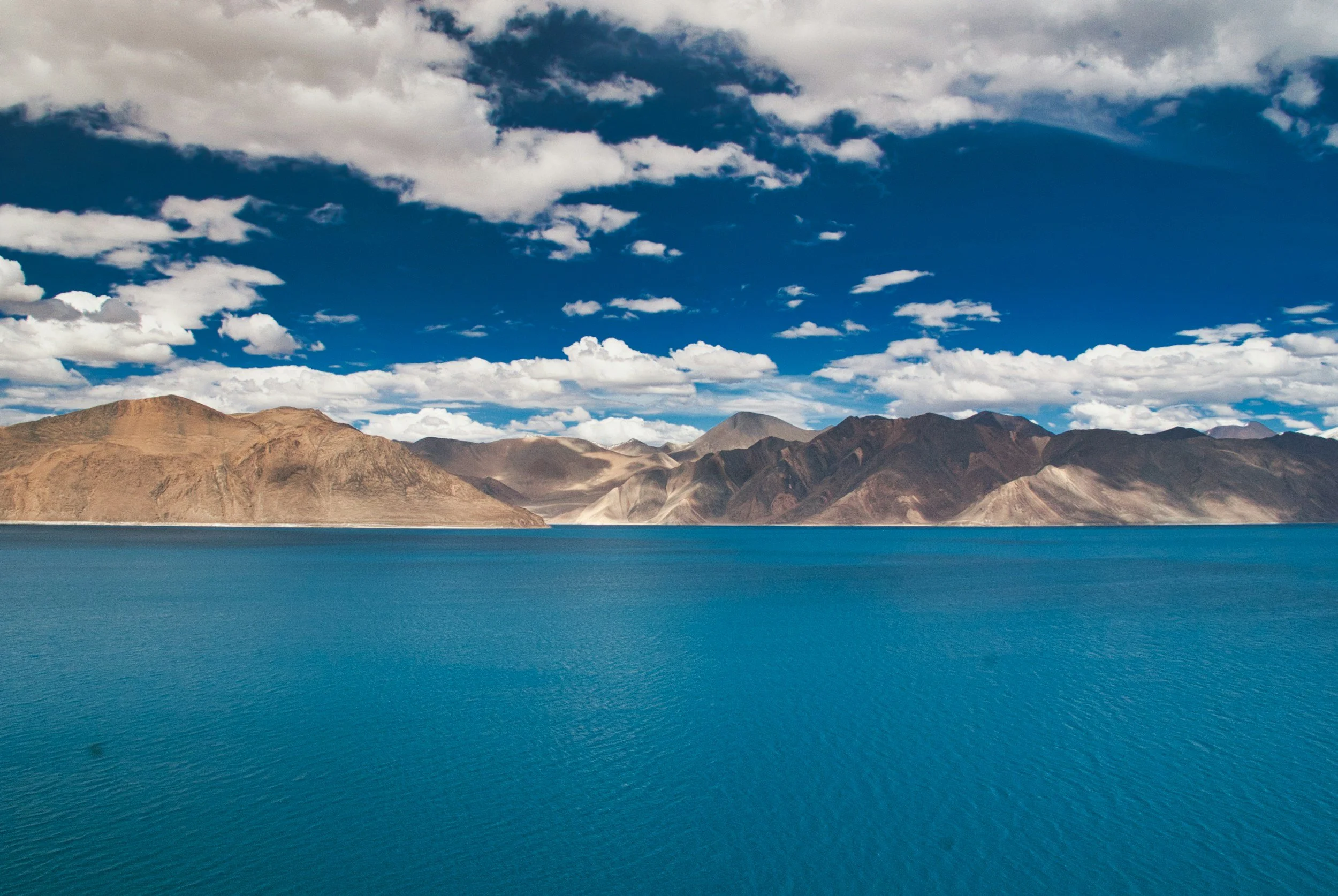
Summer is the most practical time to visit Ladakh, when high mountain passes like Rohtang and Chang La are open and Pangong Lake is fully thawed.
Roads are accessible, public transport runs more reliably, and moving between valleys, monasteries, and lakes is possible without winter restrictions.
East Coast Sri Lanka
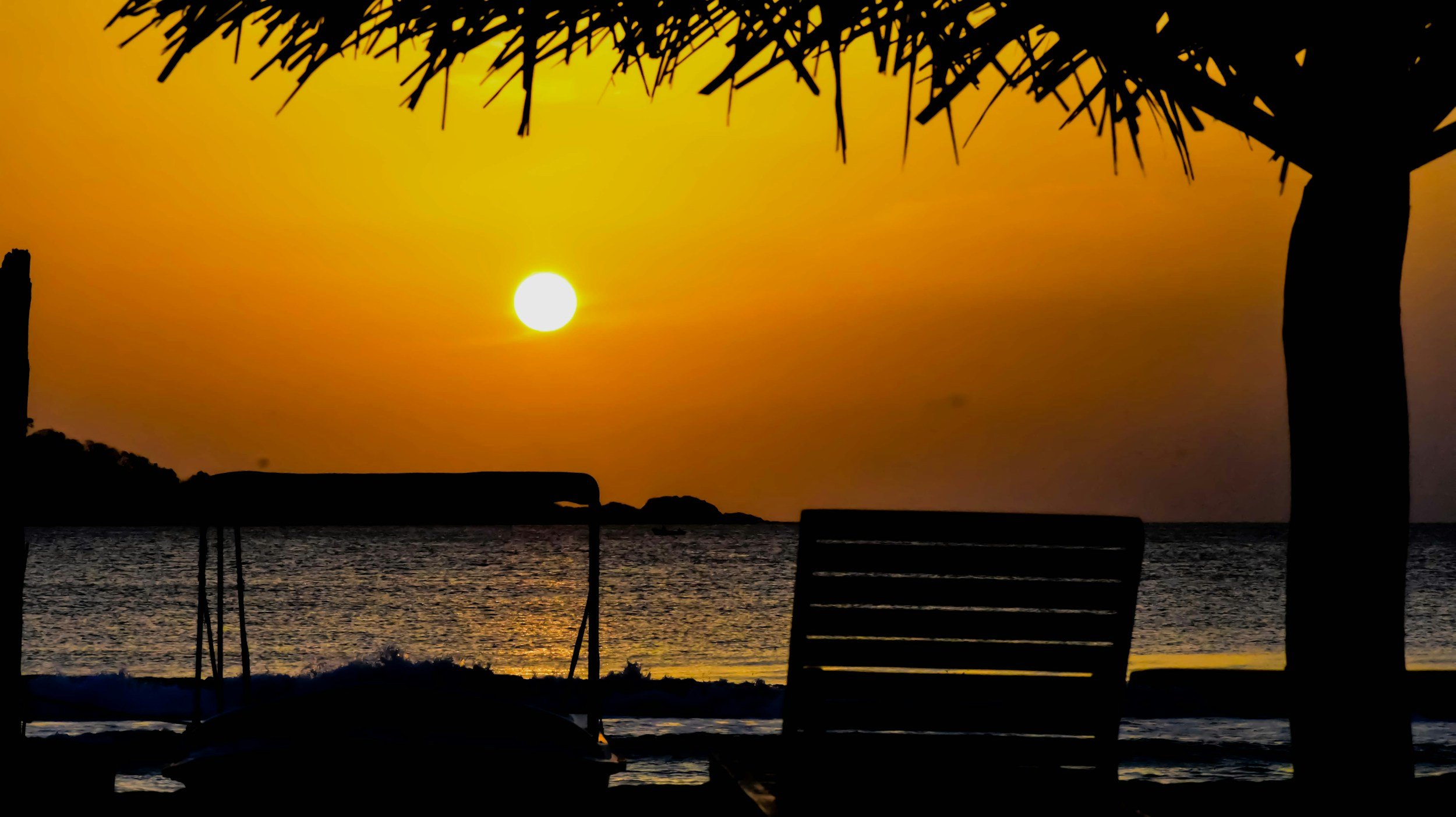
Sri Lanka’s east coast is the best part of the country for beach activities during the middle of the year, with sunnier weather and fewer monsoon disruptions than the west and south.
Places such as Trincomalee, Nilaveli, Pasikudah, and Arugam Bay are known for wide beaches, calm water in certain bays, and reliable conditions for swimming, snorkelling, and surfing.
Issyk-Kul, Kyrgyzstan
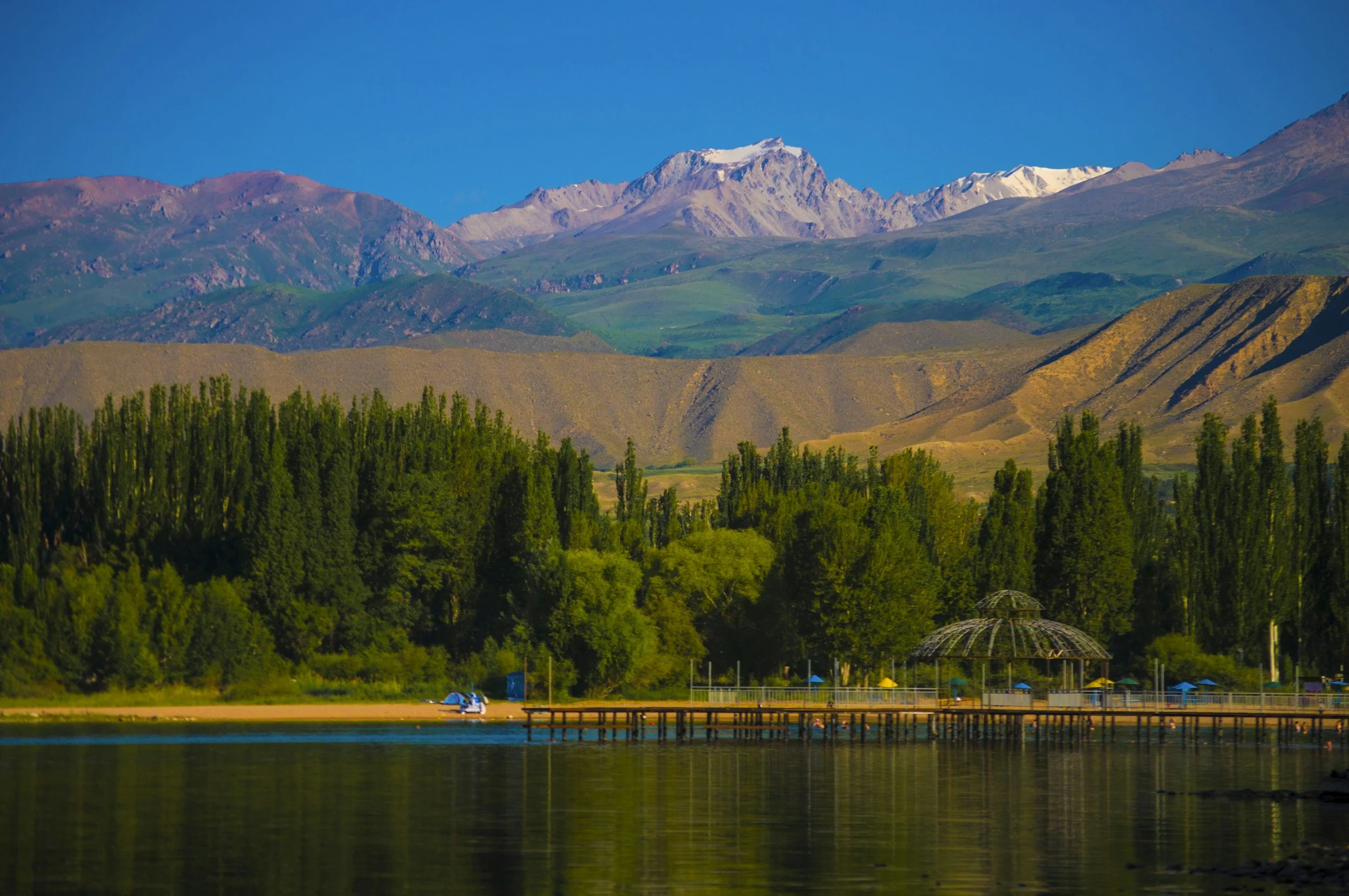
Summer marks Issyk-Kul’s main beach season, building on the quieter spring months as warmer water draws visitors to the northern shore.
During this period, the shoreline features small beach resorts, guesthouses, and traditional yurts, with activities centred on swimming, lakeside walks, and short day trips into the surrounding mountains.
Despite the seasonal warmth, the high-altitude setting keeps temperatures more moderate than many lowland summer destinations.
Gobi Desert, Mongolia
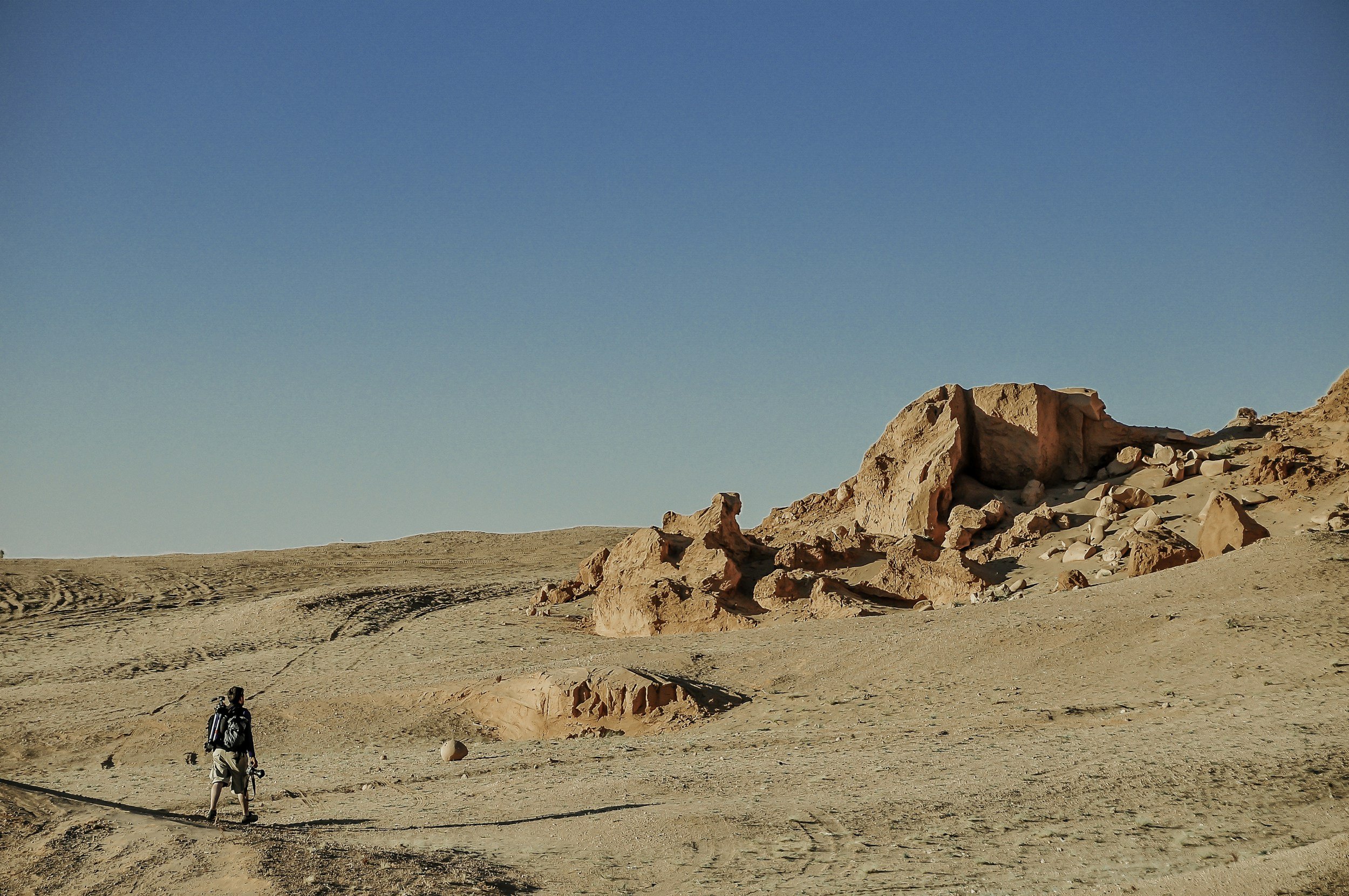
If you’re drawn to wide landscapes and long summer days, the Gobi Desert offers a very different kind of warm-season travel.
Centered around Gobi Gurvansaikhan National Park, summer trips here include camel treks across the Khongor sand dunes, hikes through the icy gorges of Yol Valley, and visits to the Flaming Cliffs, known for their dinosaur fossil sites.
Similar Posts









Curious about dark tourism in Malaysia? These places with a dark history reveal stories of war, disaster, imprisonment, displacement, and more.