20 best spring destinations in Asia to experience the season
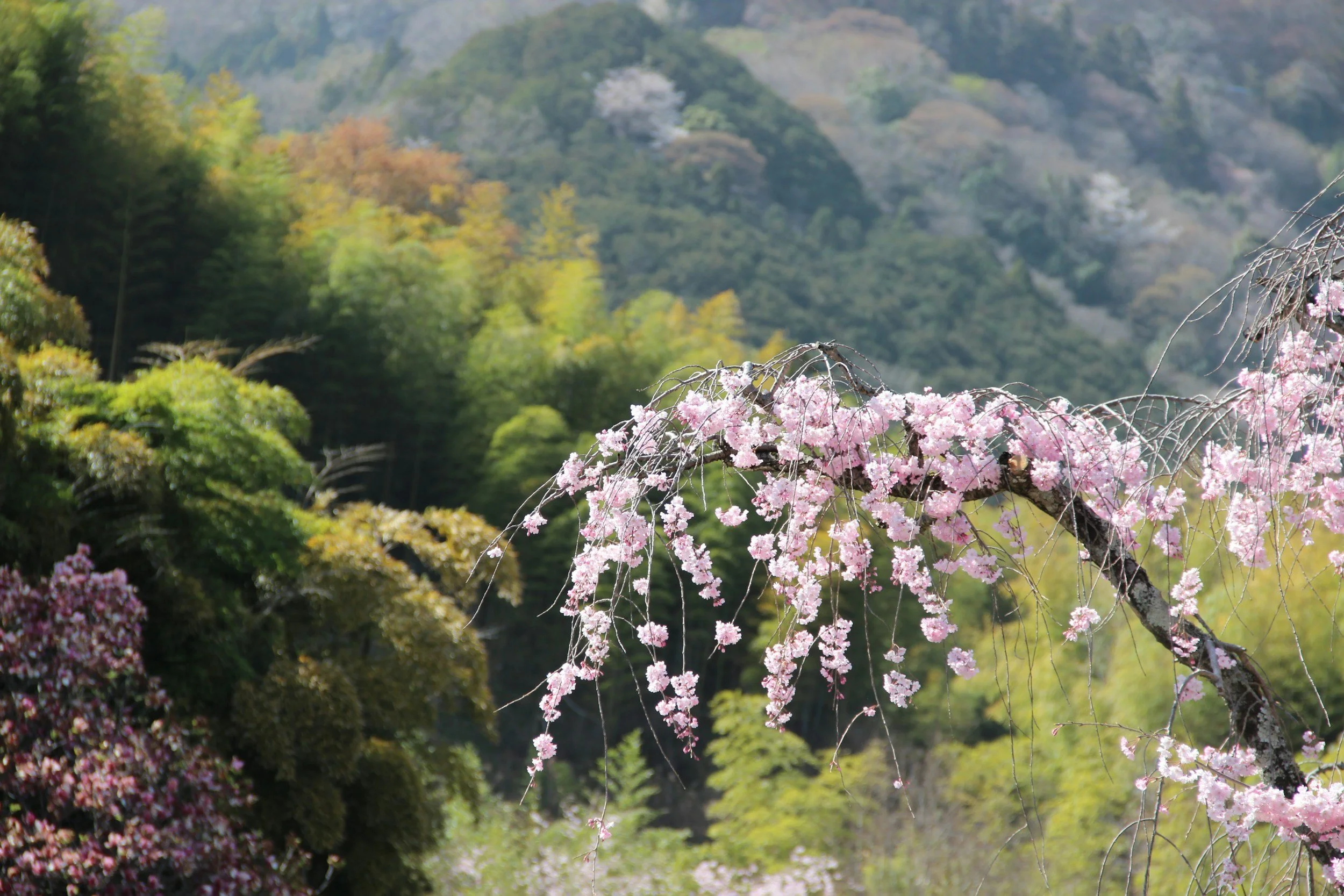
I enjoy all seasons in their own way, but spring tends to stand out for its balance. The days feel lighter, the air more comfortable, and travel is not yet shaped by peak heat or extreme weather.
Across Asia, spring travel destinations are often marked by subtle but noticeable change, though that change looks different from place to place.
As winter fades in some areas and dry seasons settle in elsewhere, landscapes begin to transform, and cultural calendars start to reflect a rhythm of renewal shaped by climate, geography, and local traditions.
Rather than treating spring as a fixed season everywhere, this post looks at it as a travel window. Some of the best Asian countries to visit in spring experience clear seasonal change, while others are simply at their most comfortable or expressive during this time of year.
In this list, I’ve curated spring destinations in Asia that are commonly linked to favourable spring conditions, broadly defined.
The best Asian countries to visit in spring
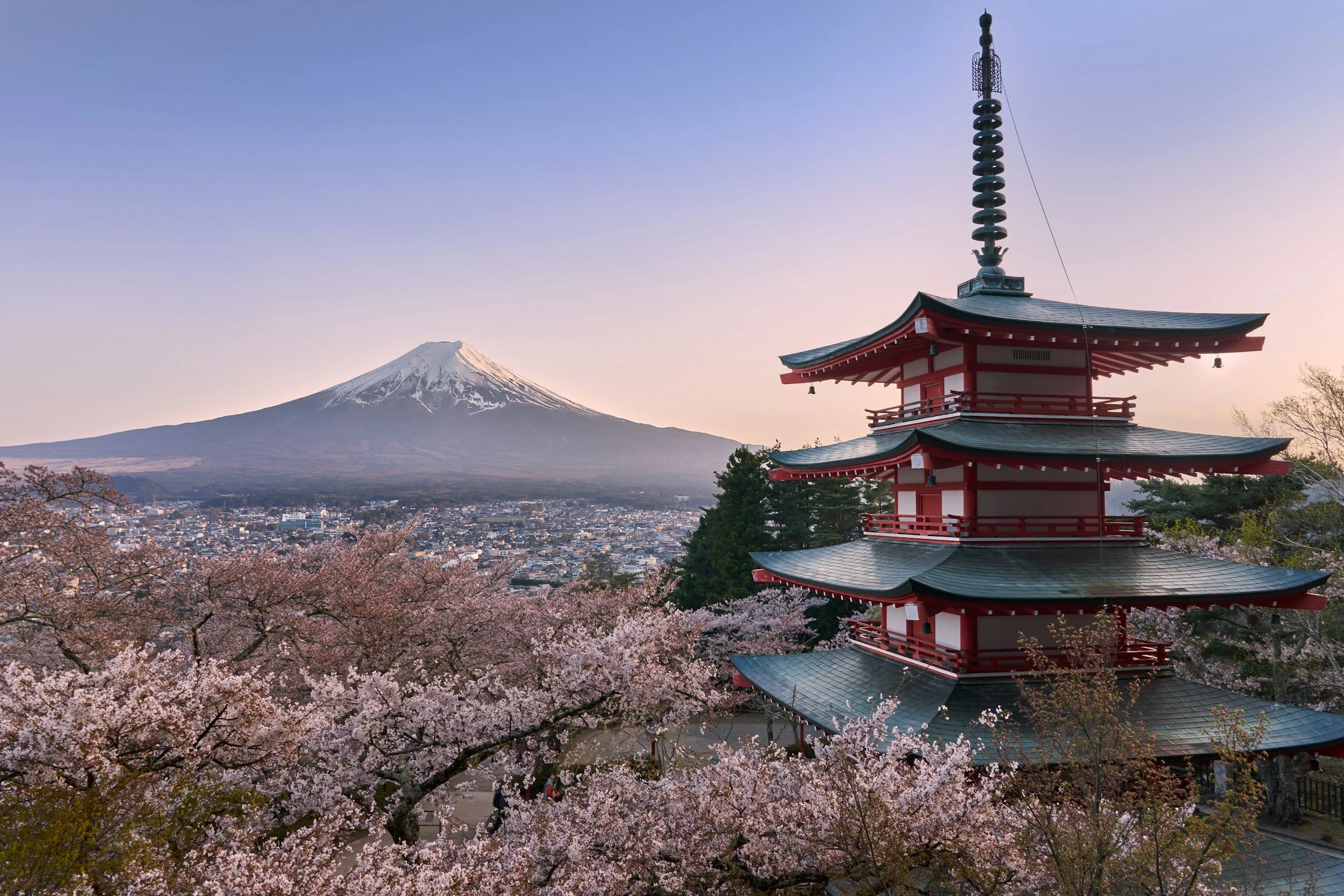
Japan – Cherry blossom season across cities and countryside, with spring closely tied to hanami – the ritual of viewing cherry blossoms.
South Korea – Early spring blooms, coastal scenery, and festivals before summer heat and humidity set in.
China – A wide range of spring expressions, from flowering gardens and historic cities to rural landscapes emerging from winter.
Taiwan – Spring bloom shaped by elevation, mountains, and changing microclimates.
India (North) – A vivid transition period with tulip gardens, alpine valleys, and cultural centres reopening after winter.
Turkey – Tulip displays and walkable conditions across historic cities and volcanic landscapes before peak summer.
Vietnam (North) – Clearer skies for trekking, countryside travel, and limestone landscapes between seasons.
Nepal – Spring trekking season, marked by rhododendron blooms and clearer Himalayan views before the monsoon.
The best spring travel destinations in Asiathat capture the season
Nara, Japan
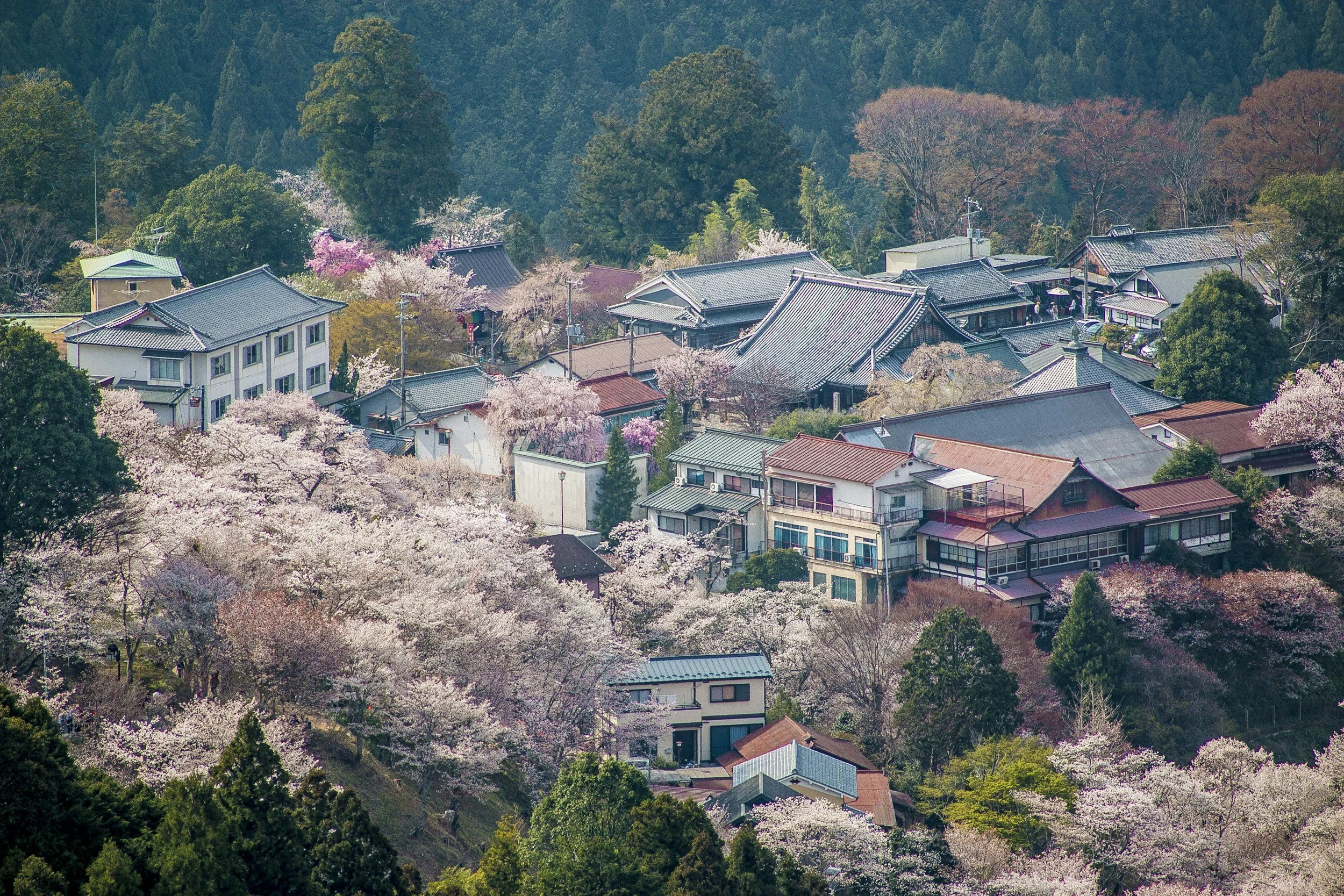
Visit Nara in spring for… a cherry blossom season experienced at a gentler pace, where sakura frames temples, forest paths, and open parkland rather than city streets.
Several of Nara’s temples and historic sites form part of UNESCO World Heritage–listed areas. In Nara Park, deer wander beneath flowering trees, giving the season a calm, unhurried rhythm.
Beyond the city, Mount Yoshino (Yoshinoyama) is blanketed with thousands of cherry trees, turning spring hikes into a gradual passage through bloom and creating one of Japan’s most layered spring landscapes, far removed from the pace of Tokyo or Kyoto.
Hokkaido, Japan
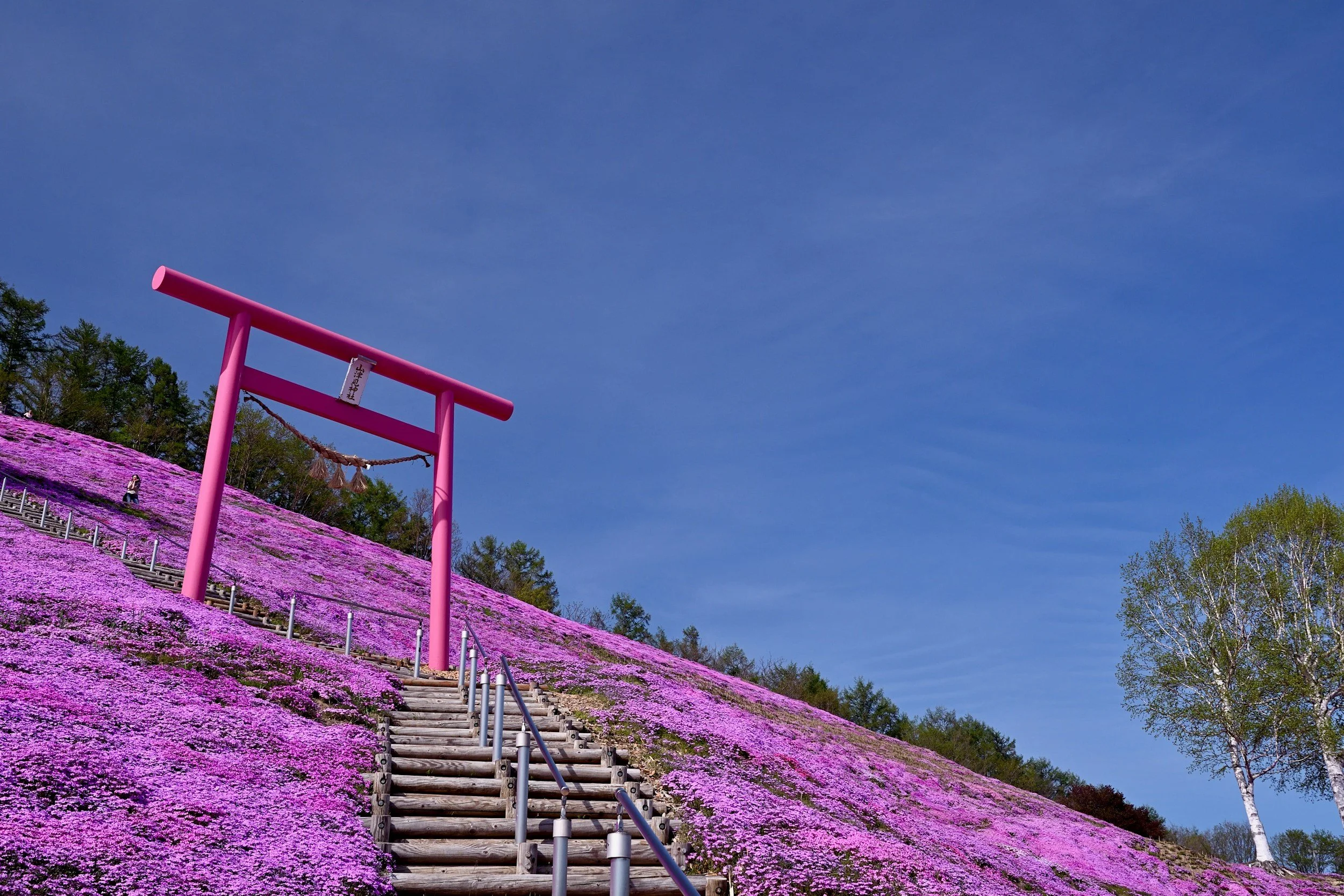
Visit Hokkaido in spring for… a later cherry blossom season set within Japan’s northern, nature island, where cooler air delays sakura well beyond the mainland peak. Compared with Tokyo or Osaka, blossoms typically appear from late April into May.
Across the island, parks and roads feature a wide variety of cherry and plum trees, with different species blooming at slightly different times. Matsumae Park is especially notable, with around 10,000 cherry trees representing 250 varieties, allowing the short season to unfold gradually over several weeks.
Elsewhere, hanami scenes range from the star-shaped Goryokaku Park in Hakodate to lakeside blossoms around Lake Toya, and the long, tree-lined stretch of Shizunai Nijukken Road.
Jeju Island, South Korea
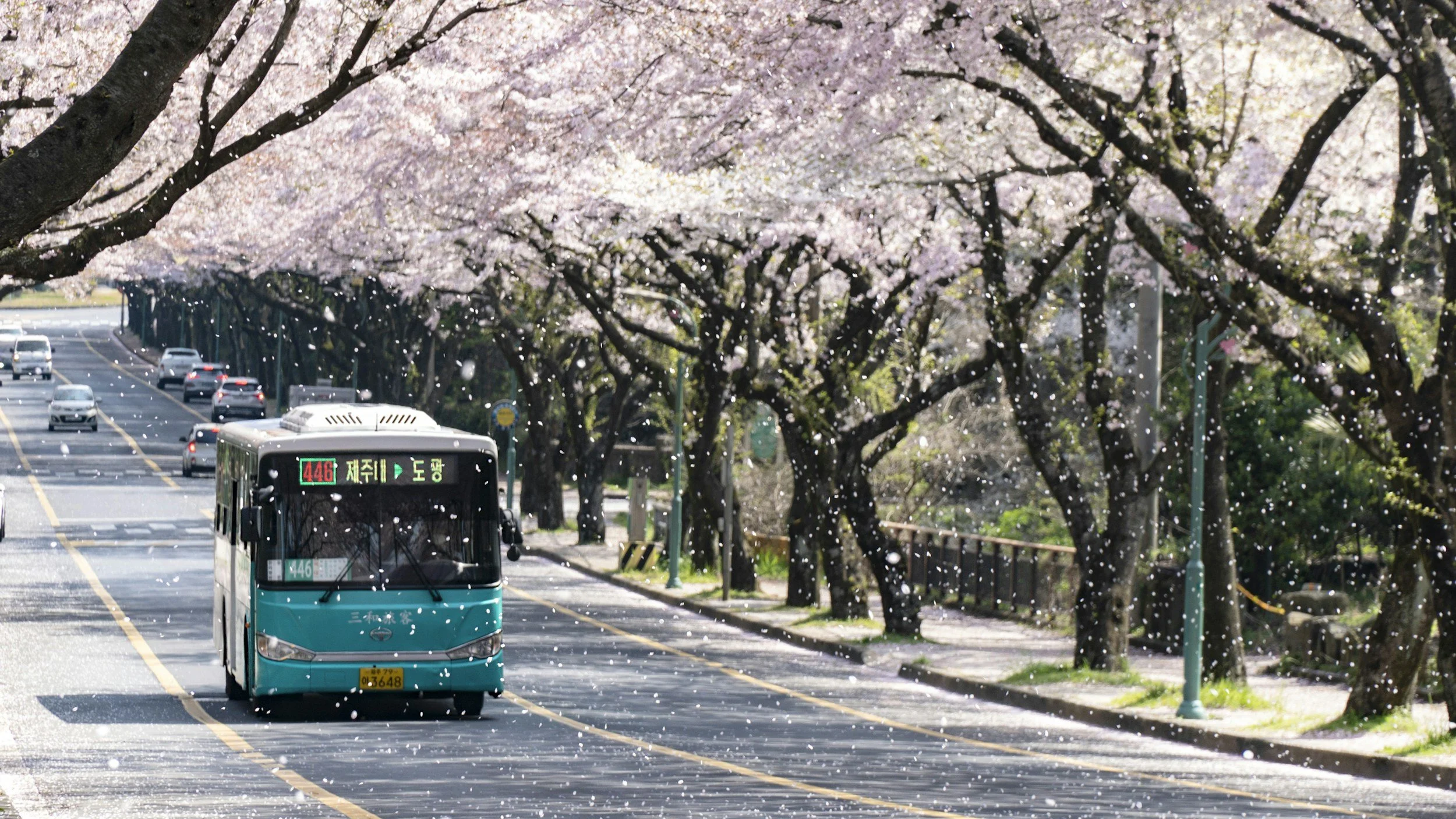
Visit Jeju in spring for… Korea’s earliest and most distinctive cherry blossom season, known locally as beotkkot, set against a coastal landscape.
The island is known for its native king cherry blossom trees, which produce larger, fuller blooms than those found on the mainland.
Spring on Jeju carries a festive energy during the King Cherry Blossom Festival, when flowering streets are paired with cultural performances, night-time illuminations, and casual street food markets, creating a lively expression of the season.
Alishan, Taiwan
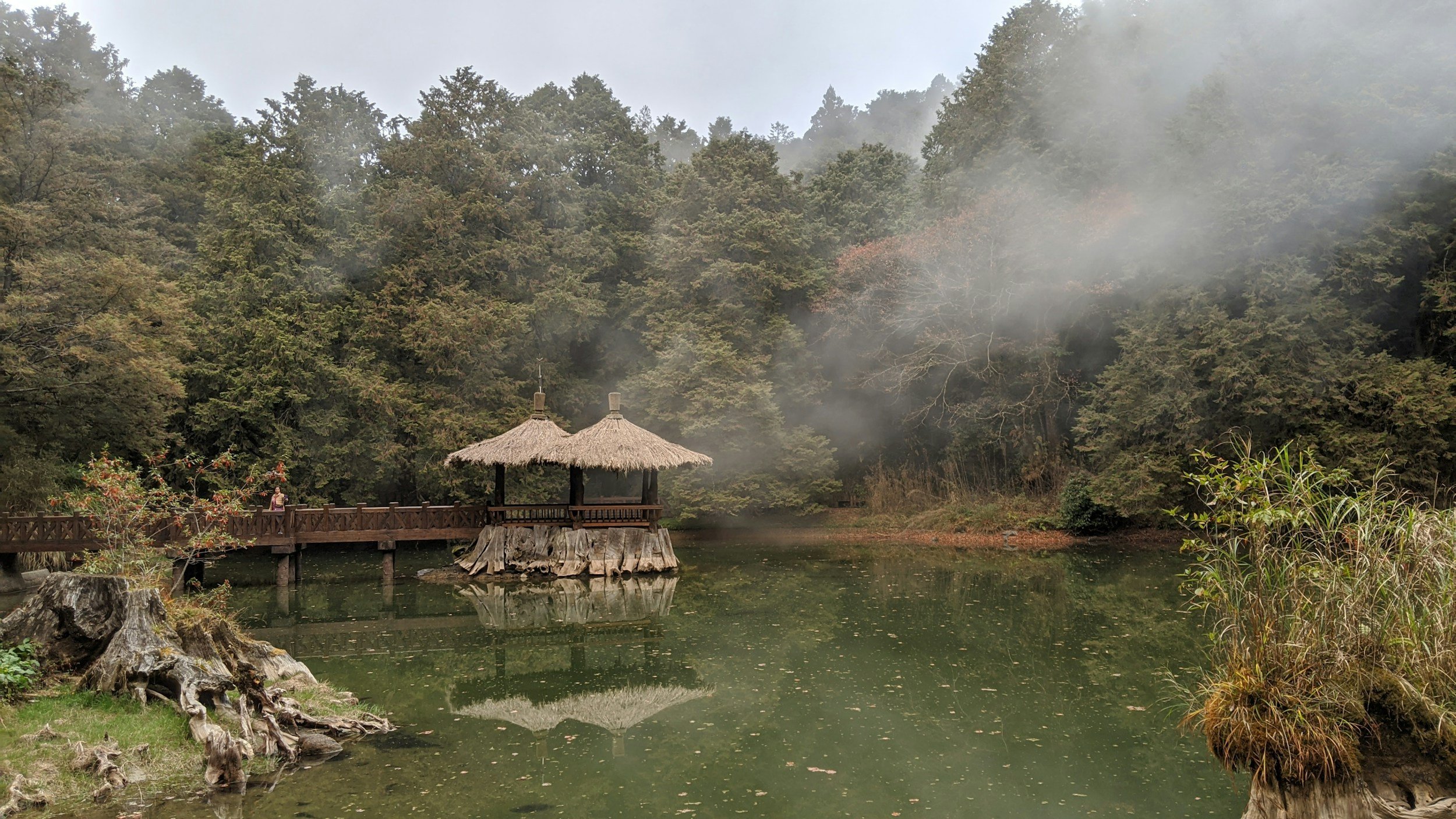
Visit Alishan in spring for… cool mountain air, blooming forests, and scenic hiking trails.
Cherry blossoms appear along the historic forest railway and mountain paths, set among ancient cypress trees and rolling tea plantations.
Alishan suits travellers who prefer quieter landscapes – hiking through forests, watching the sunset, and experiencing spring in a region shaped by Taiwan’s rugged terrain.
Wuyuan, China
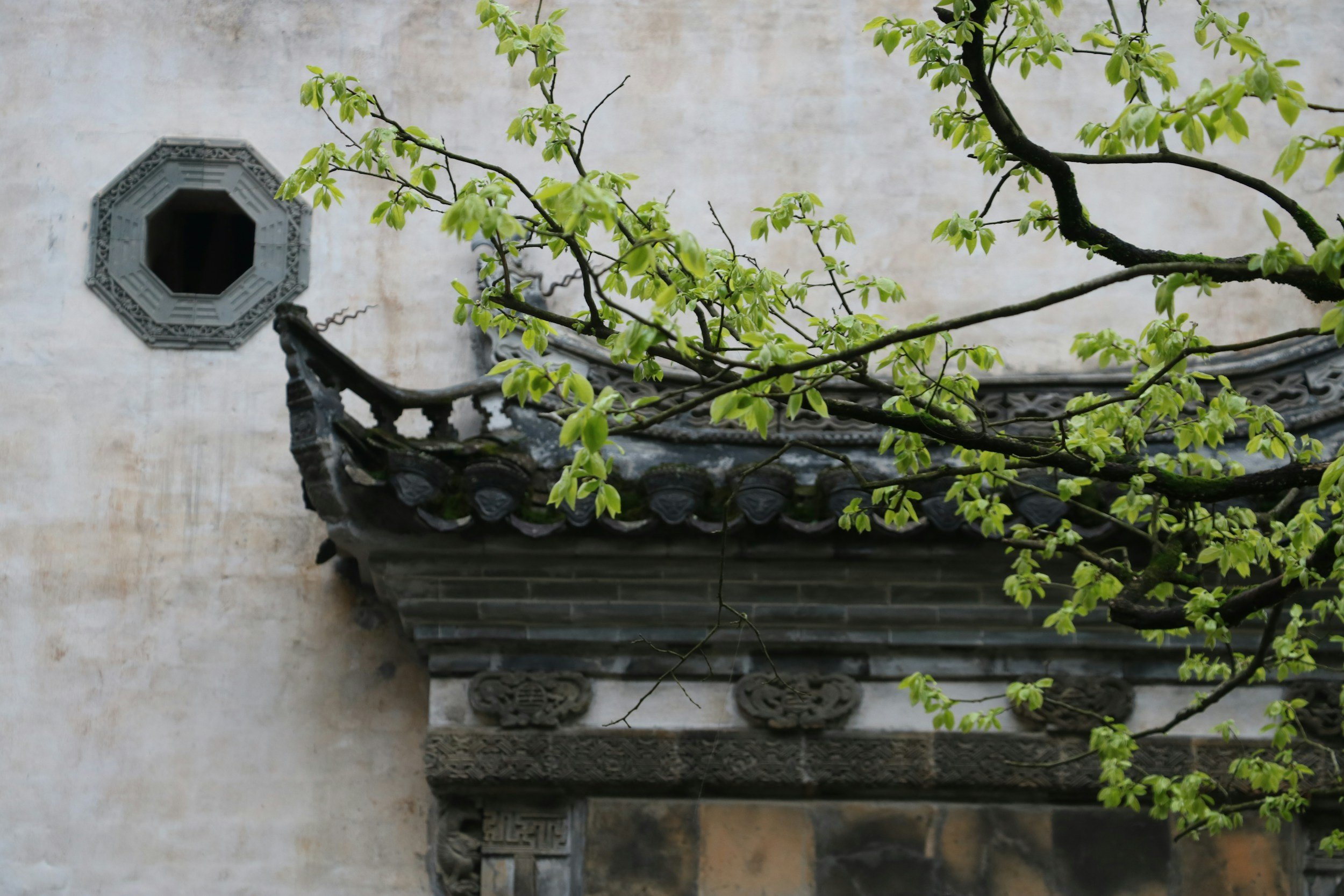
Visit Wuyuan in spring for… vast countryside scenery defined by golden flowering fields.
From March to April, rapeseed flowers spread across valleys and hillsides, joined by peach, pear, and magnolia blossoms.
Traditional Huizhou-style villages with white walls and black-tiled roofs sit among the fields, making Wuyuan one of the best places in China to see spring flowers in a rural setting.
Nanjing, China
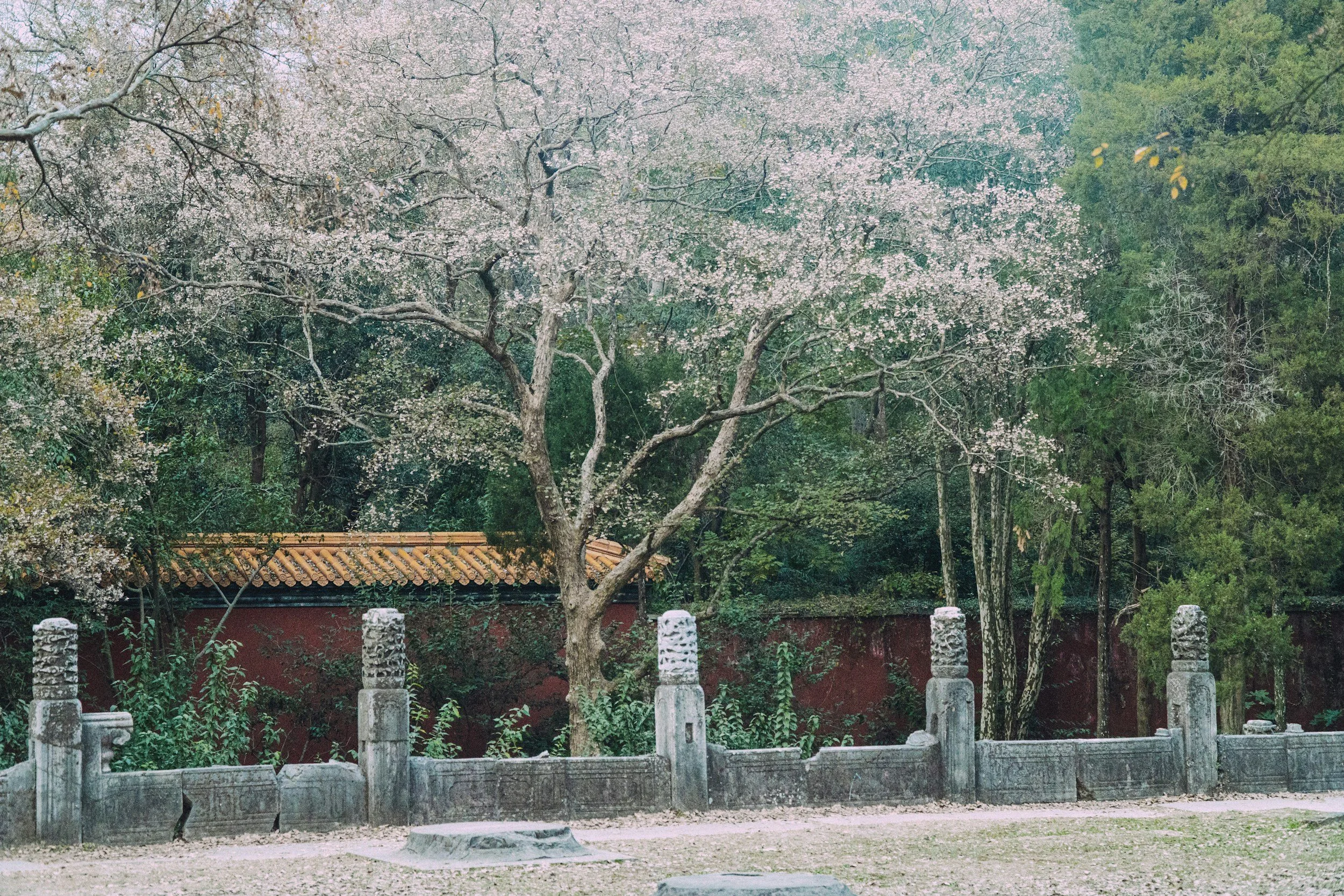
Visit Nanjing in spring for… seasonal blooms set within a historic city.
From February to March, plum blossoms are the main highlight during the Plum Blossom Festival at Meihuashan, while cherry blossoms begin to appear.
The area surrounding the Ming Xiaoling Mausoleum is especially scenic, where flowering trees soften stone paths and ancient city walls, making spring a good time for walking and sightseeing without extreme weather.
Luoyang, China
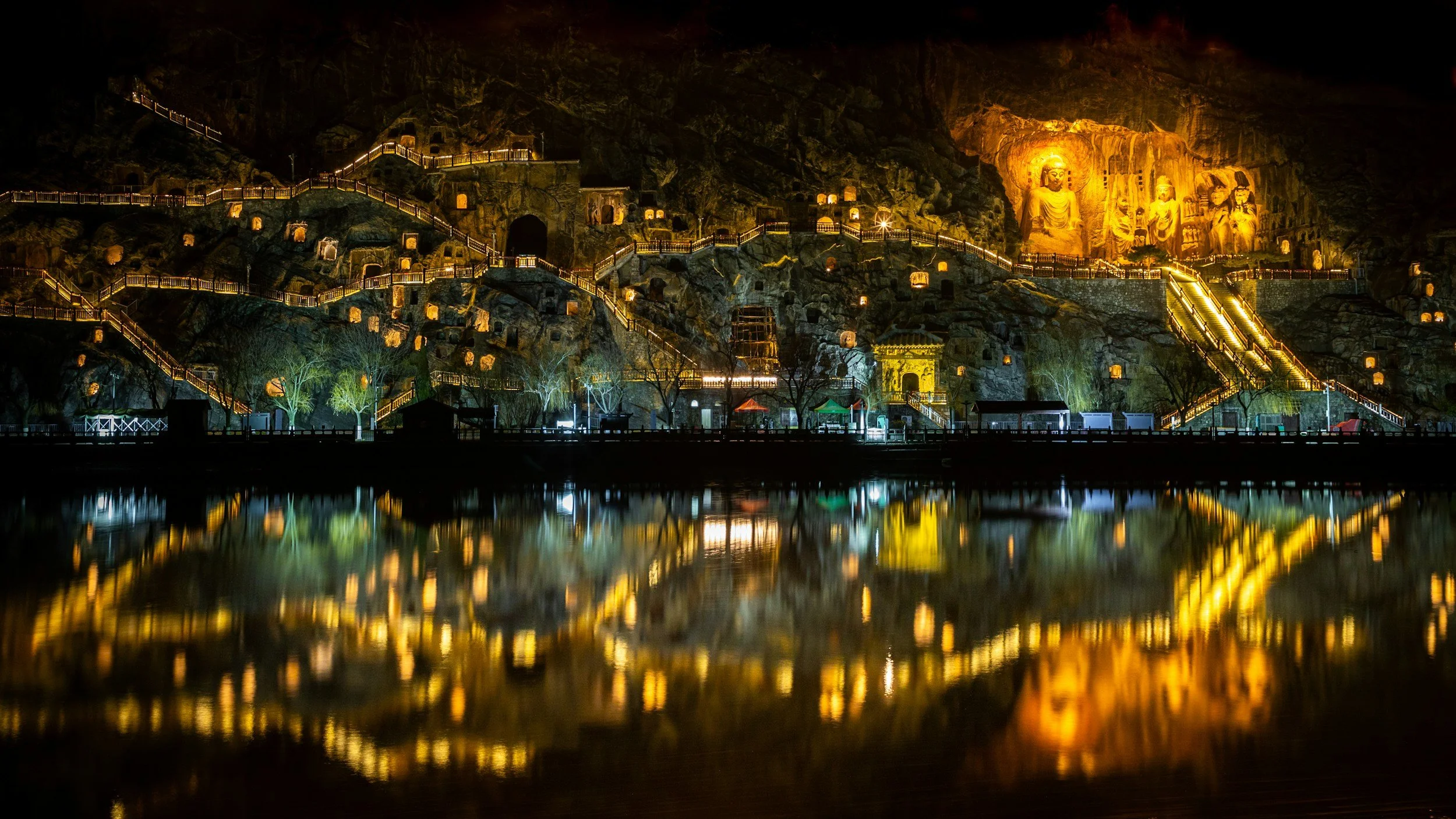
Visit Luoyang in spring for… peony season in the city where peony cultivation began.
From April to May, the city celebrates the Luoyang Peony Festival draws visitors to parks and gardens across the city.
Spring visits can be combined with major cultural sites such as the Longmen Grottoes and White Horse Temple, making Luoyang a destination where seasonal flowers and historical landmarks are closely linked.
Palawan, Philippines
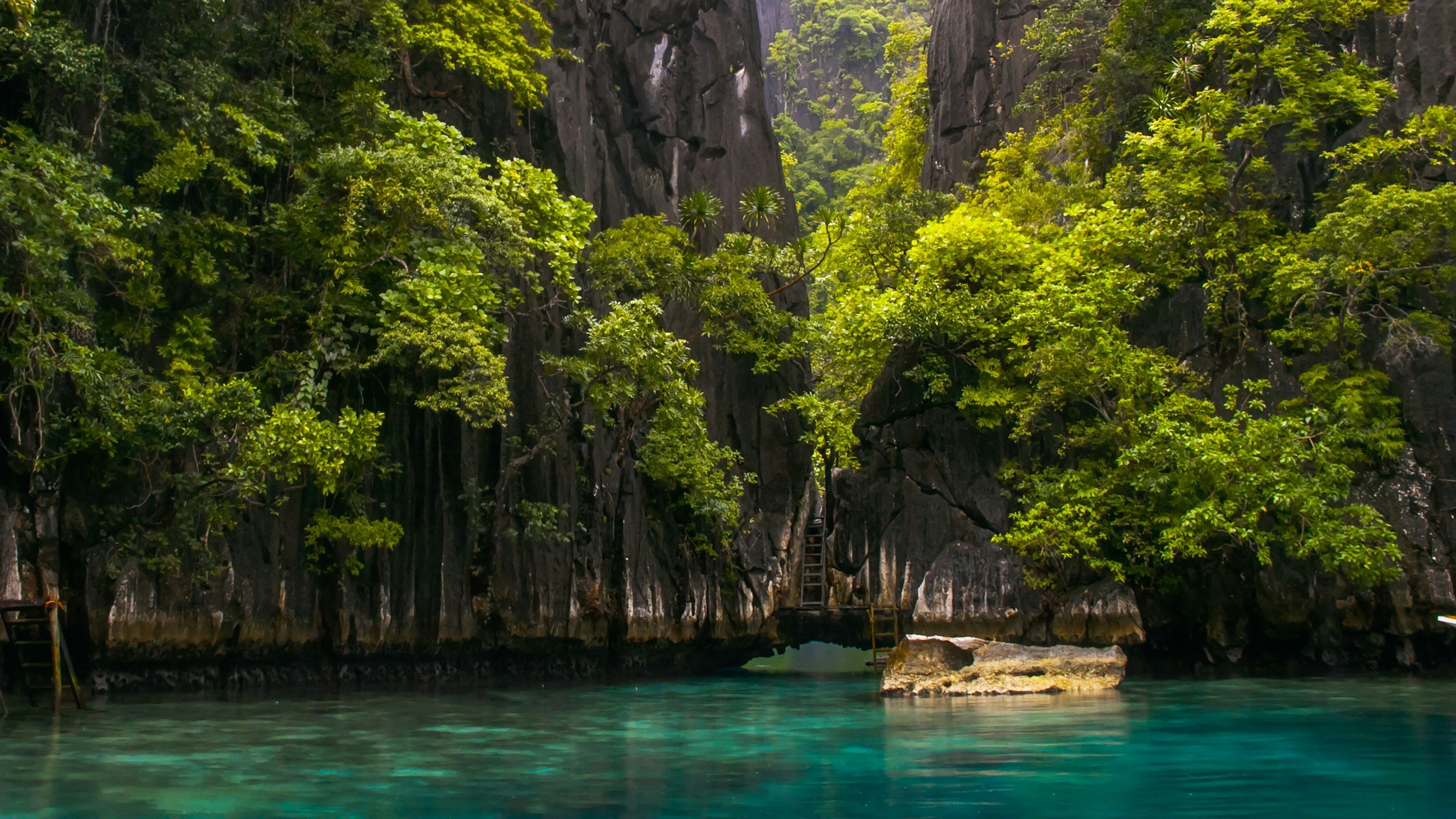
Visit Palawan during the dry season… from December to early May, when rainfall is low and sea conditions are generally calm, making island hopping and boat-based activities more reliable.
The cooler, drier months from December to February are best for exploring places like the Puerto Princesa Subterranean River National Park, when lower humidity and reduced rain make cave access and outdoor sightseeing easier, though this is also the busiest period.
From March onward, conditions remain dry but noticeably hotter. This period suits beach time and diving, with fewer crowds than peak season. Tubbataha Reefs Natural Park is accessible from mid-March to mid-June, when clearer waters and strong marine activity make it a standout seasonal experience.
Bali, Indonesia
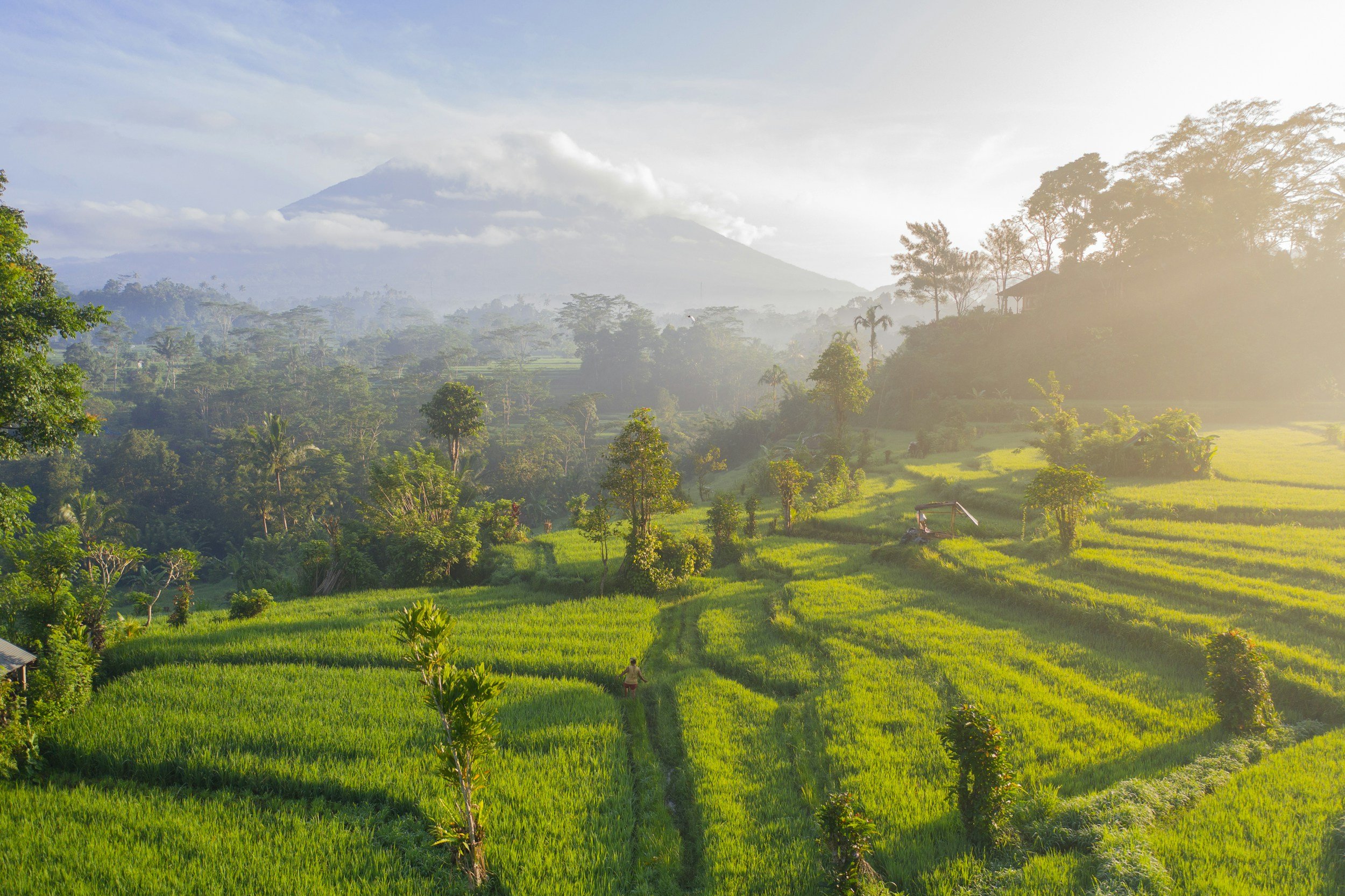
Visit Bali during the dry season… when landscapes remain green and rainfall eases, particularly in May and June.
Inland, Ubud offers rice terraces, temples, and forested walks. Mount Batur is also well suited to early-morning hikes, with clearer conditions increasing the chances of wide views over the caldera.
Along the coast, places like Nusa Penida are easier to visit before the busiest months arrive, with access to cliffs, beaches, and marine viewpoints that create a balanced mix of nature and low-key exploration.
Sapa, Vietnam
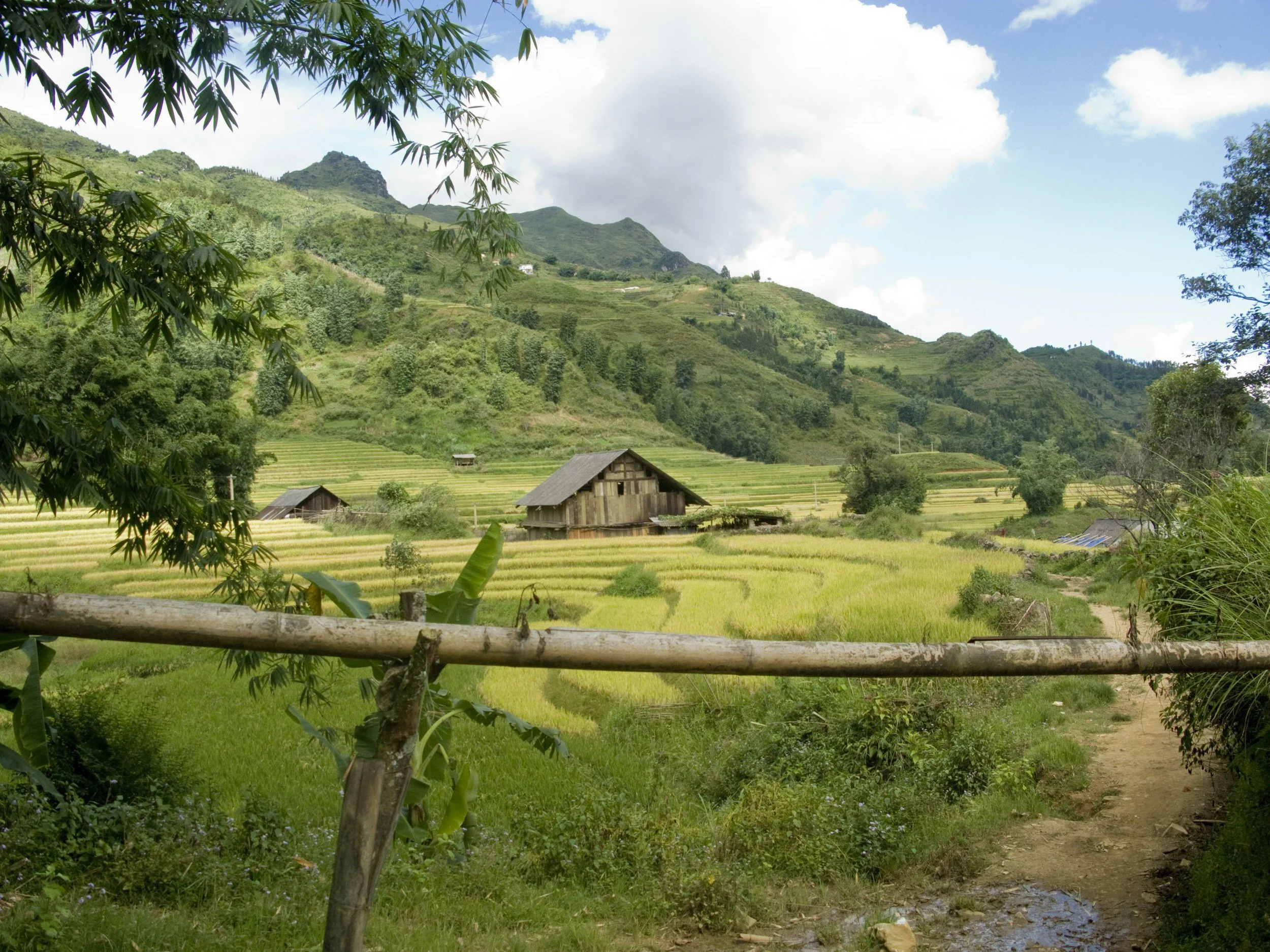
Visit Sa Pa in spring for… the start of the growing season in the northern highlands, when rice terraces are replanted and mountain conditions become more stable.
From February to April, terraces turn fresh green, and cherry and plum blossoms appear around villages.
Temperatures are cooler than in summer, making this a practical period for trekking before heavier rains arrive. Trails around Fansipan, Indochina’s highest peak, and nearby ethnic villages such as Cat Cat are more comfortable to explore on foot.
Ninh Binh, Vietnam
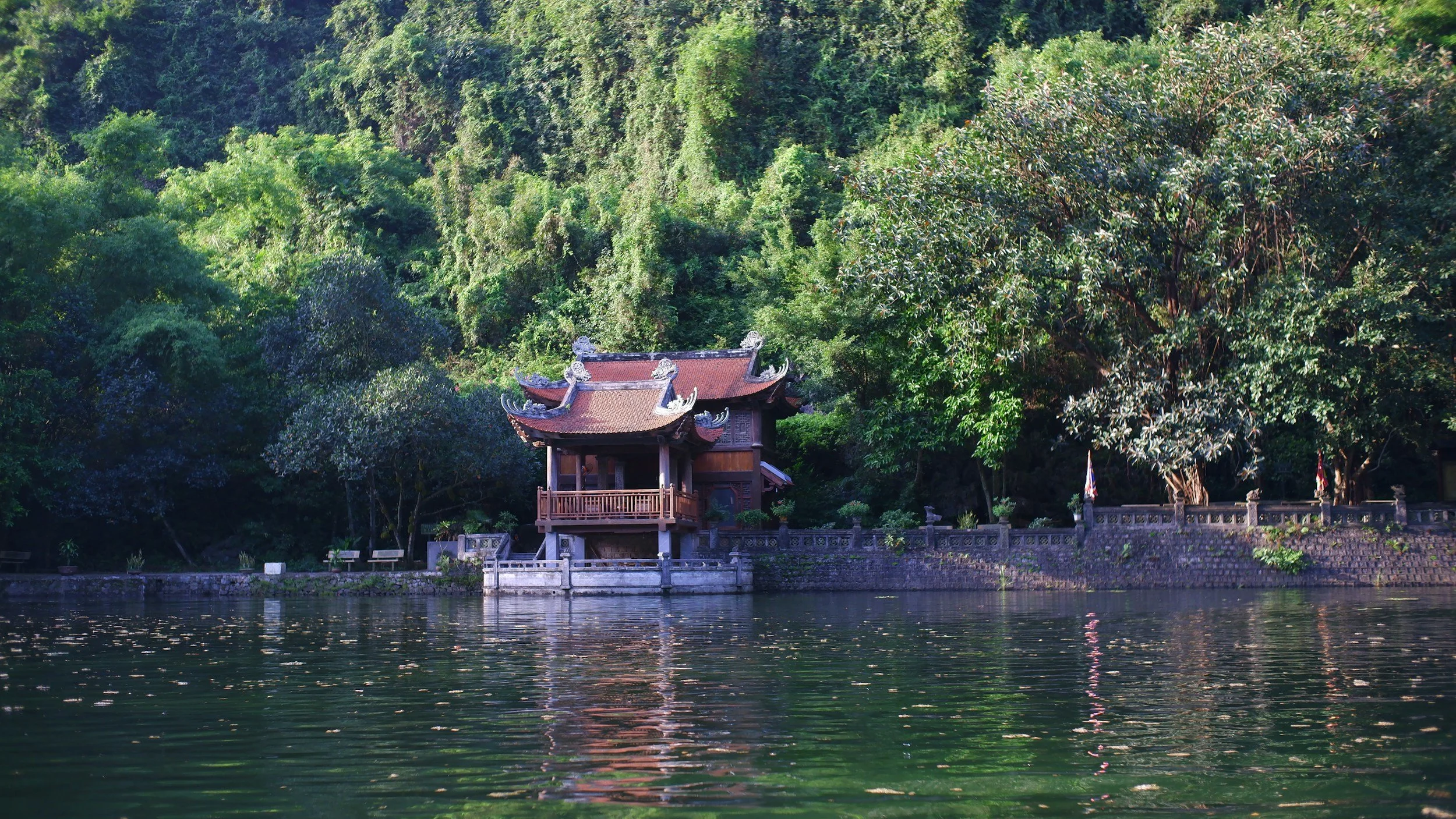
Visit Ninh Binh in spring for… mild weather and clear conditions as rice planting begins across the Red River Delta.
Between March and May, fields turn vivid green, flowers appear along waterways, and visibility is often at its clearest.
Boat rides through Tam Coc and Trang An feel especially scenic at this time, with limestone mountains rising sharply from flooded paddies. Cycling between villages and caves is comfortable before summer heat sets in.
Spring also suits visits to cultural sites such as Hoa Lu Ancient Capital and Bai Dinh Temple, with fewer weather disruptions and better conditions for combining cultural and natural attractions in a short visit from Hanoi.
Chiang Mai, Thailand
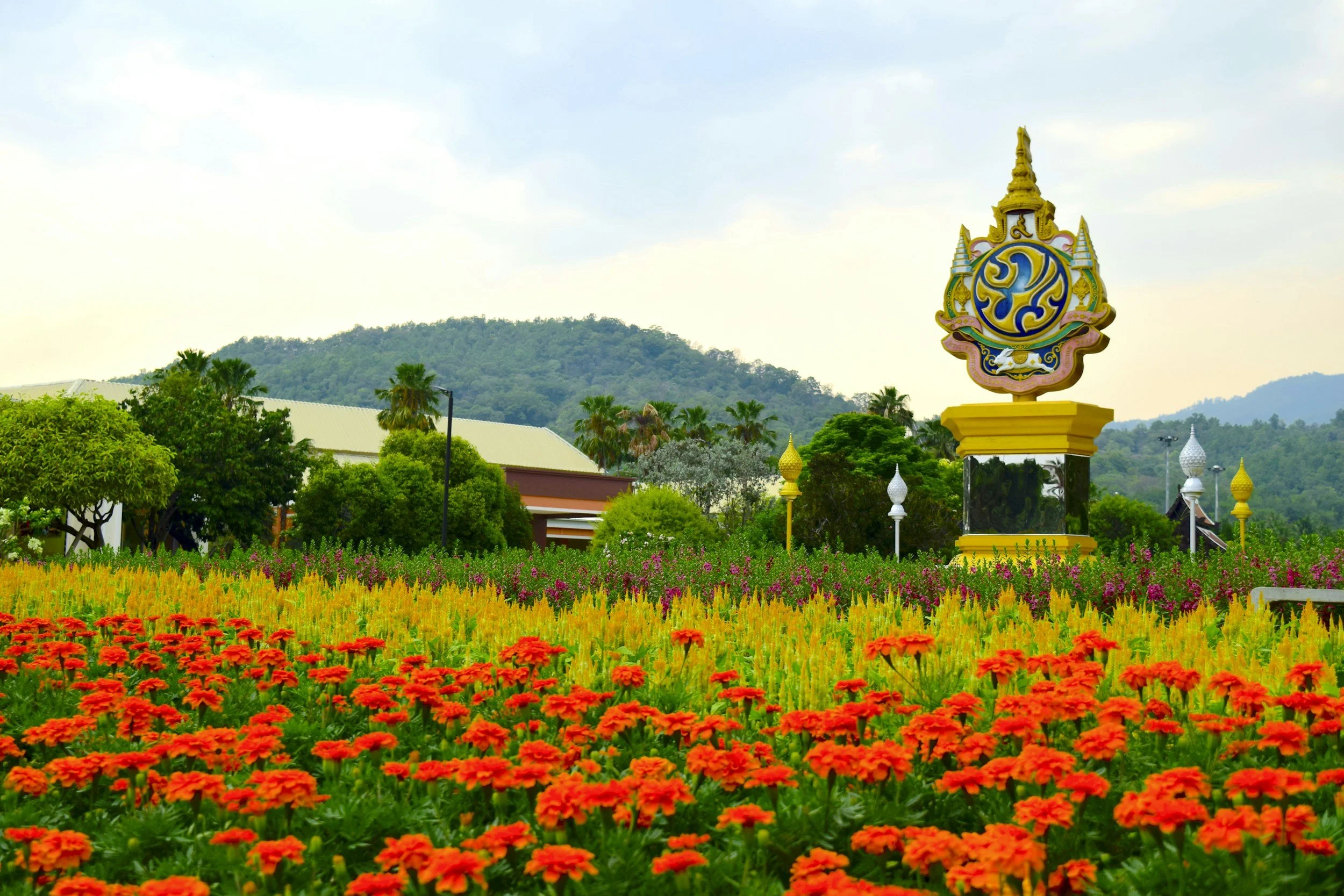
Visit Chiang Mai during the cool, dry season… especially in January and February, for comfortable conditions and easy access to the surrounding mountains.
This period coincides with the Chiang Mai Flower Festival, usually held in early February, when public parks and streets feature floral displays, parades, and temporary gardens celebrating the region’s horticulture.
Beyond the festival, the cooler weather suits temple visits, walking the Old City, and short trips into the nearby hills, before rising heat reshapes travel conditions later in the year.
Paro, Bhutan
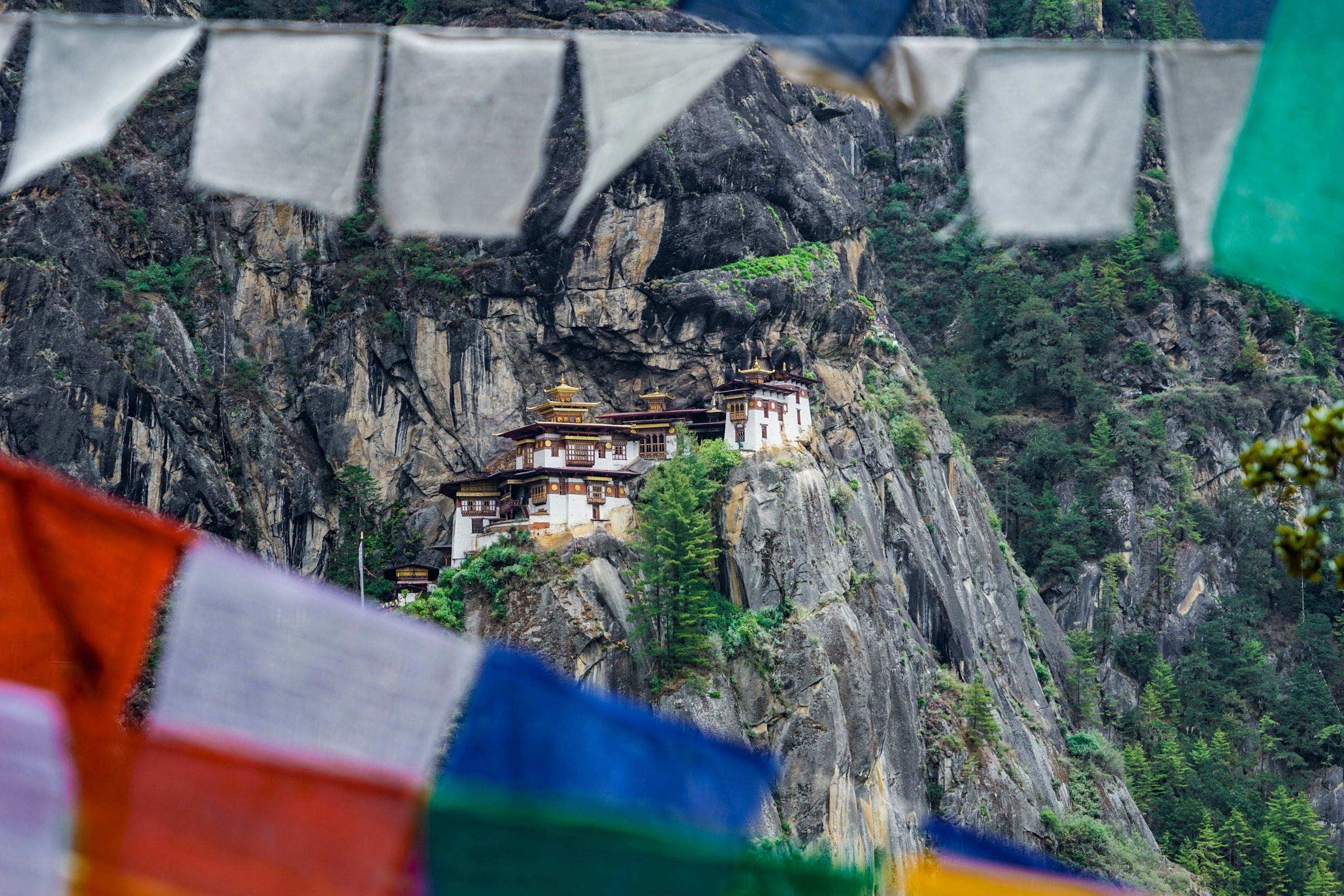
Visit Paro in spring for… a combination of mountain scenery, seasonal blooms, and cultural events in one of Bhutan’s most accessible valleys.
Between March and May, rhododendrons and other wildflowers bloom along forest paths and hillsides. Conditions are generally dry with good visibility, which suits day hikes and short treks around Paro and neighbouring valleys.
Spring also aligns with Paro Tshechu, a major religious festival held at Rinpung Dzong (or Paro Dzong), where traditional masked dances take place over several days.
Annapurna, Nepal
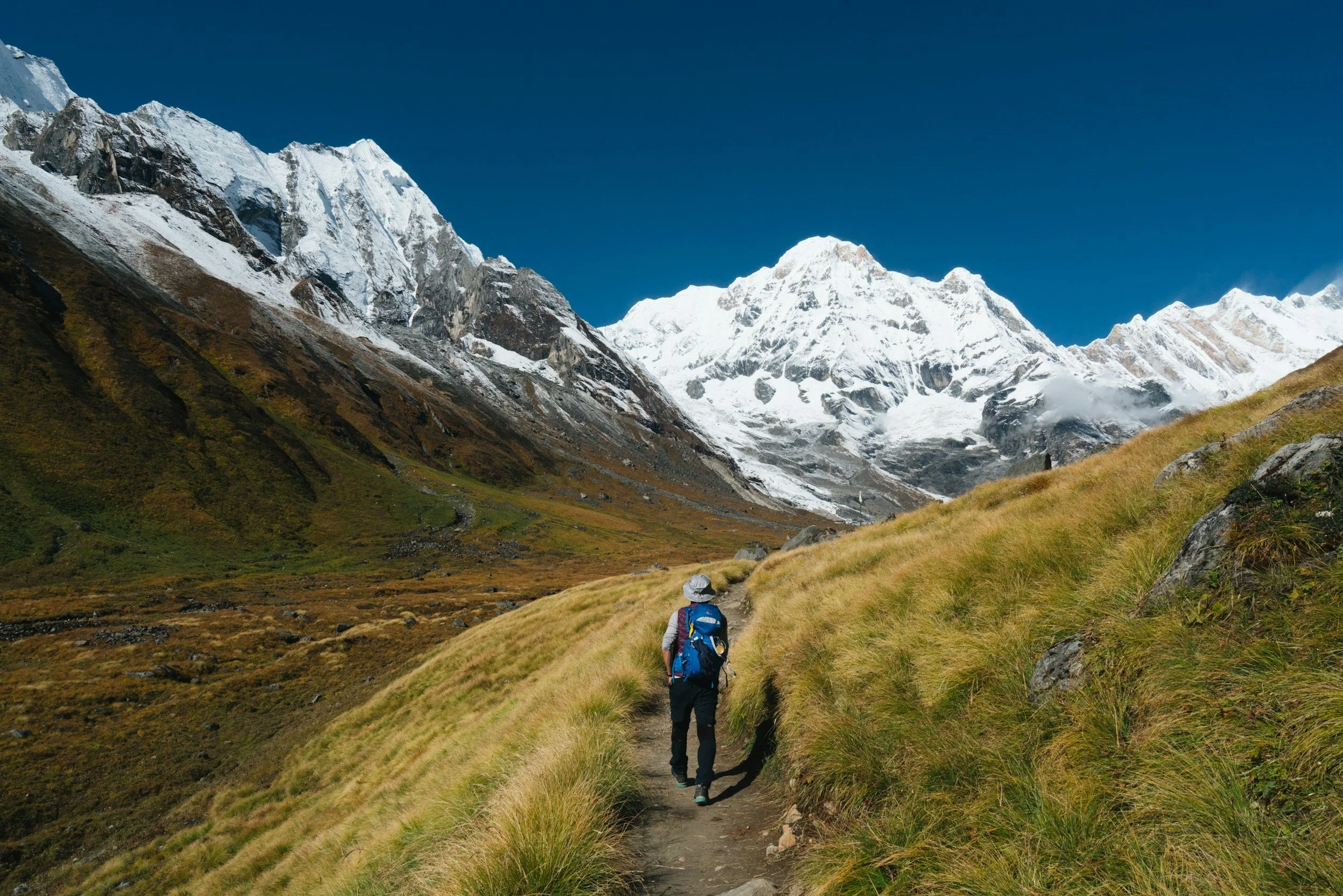
Visit Annapurna in spring for… trekking routes that come alive with rhododendron blooms and clear Himalayan views.
From March to May, trails are generally dry and stable, making this a reliable period for multi-day hikes.
The Ghorepani Poon Hill trek is especially suited to beginners, offering a shorter route with panoramic views of the Annapurna and Dhaulagiri ranges. Rhododendrons line long sections of the trail, adding seasonal colour without the demands of high-altitude trekking.
Kashmir, India
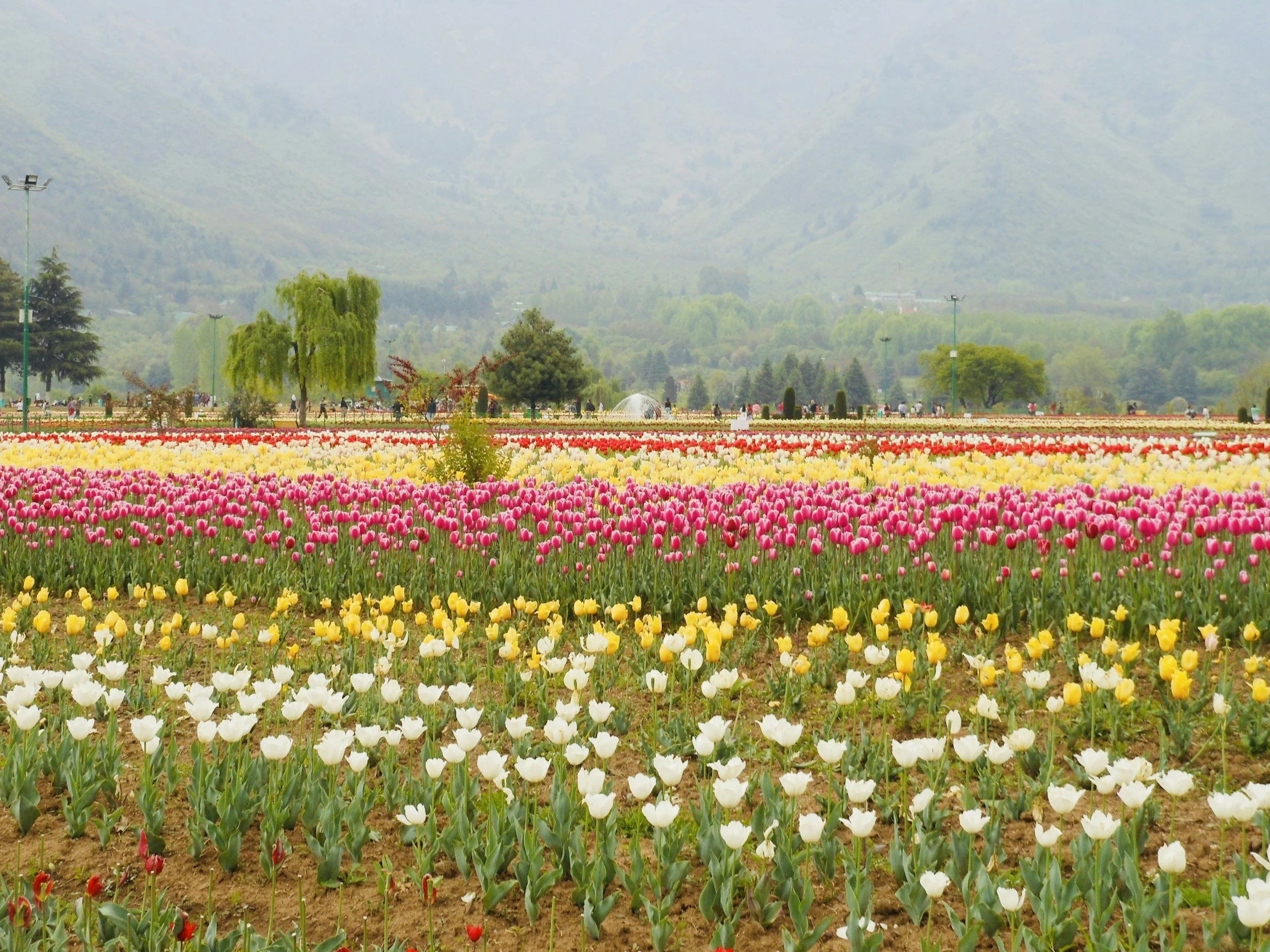
Visit Kashmir in spring when… valleys transition out of winter, bringing mild temperatures and expansive mountain scenery.
From March to May, flowering orchards, open gardens, and lingering snow at higher elevations define the landscape.
In Srinagar, the Indira Gandhi Memorial Tulip Garden – Asia’s largest – showcases rows of tulips against the Zabarwan Range. Nearby Mughal gardens, Dal Lake, and Nigeen Lake are framed by almond blossoms, cherry trees, and spring flowers like daffodils and hyacinths.
Beyond the city, places like Gulmarg, Pahalgam, and the surrounding valleys open up for exploration, combining green meadows, forested trails, and cooler mountain air.
Sigiriya, Sri Lanka
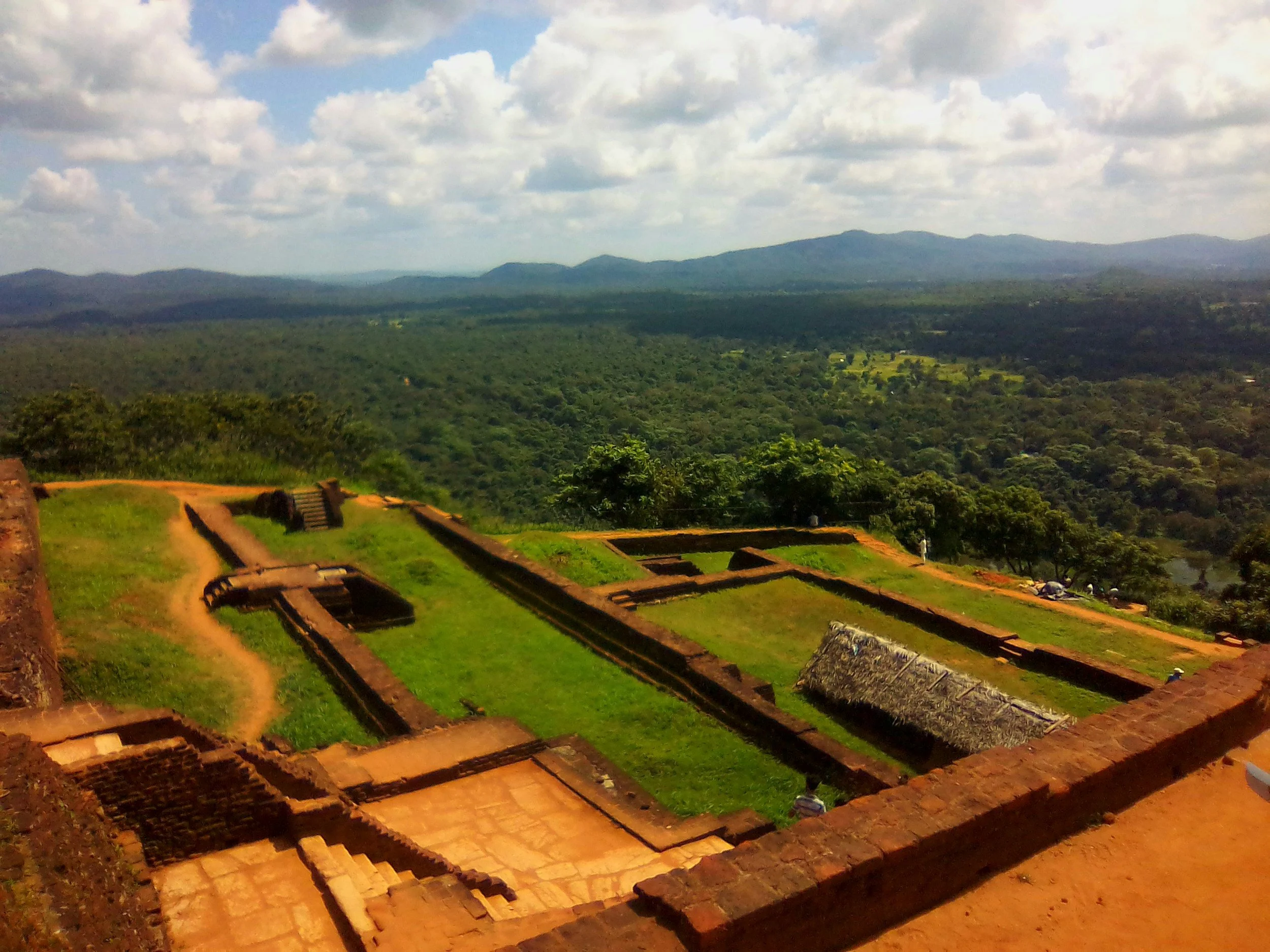
Visit Sigiriya in the dry season before the southwest monsoon for… exploring Sri Lanka’s Cultural Triangle between March and May.
At its centre stands the Sigiriya Rock Fortress, also known as Lion Rock, a UNESCO World Heritage site rising sharply from the plains. Nearby, Pidurangala Rock offers a shorter, quieter climb with wide views across forests, reservoirs, and farmland.
This period also suits visiting nearby cultural sites such as the Dambulla Cave Temple, where rock-cut shrines stay cool inside, as well as wildlife safaris in Minneriya National Park, where animals begin gathering around water sources as the dry months progress.
Almaty, Kazakhstan
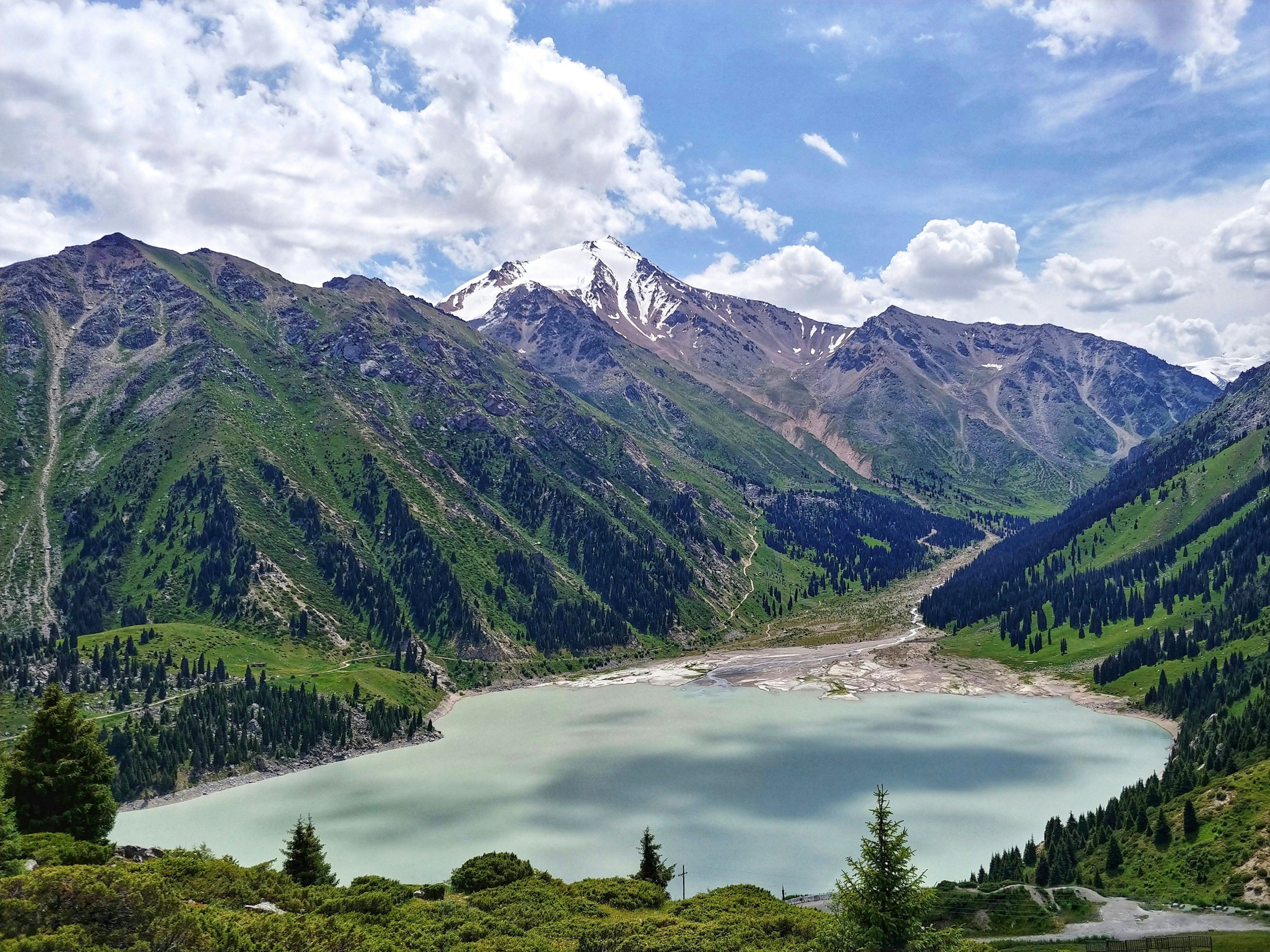
Visit Almaty in spring when… wild tulips appear across mountain foothills and open valleys.
From April to May, the landscapes around Almaty change quickly as snow recedes and native tulips bloom in the Ile-Alatau mountains and surrounding steppe. These wildflowers are part of Central Asia’s natural heritage, offering a very different spring palette from the cultivated gardens seen elsewhere.
Spring is also a good time to explore nearby landscapes such as Charyn Canyon, where warmer temperatures make hiking through the canyon system more comfortable before summer heat arrives.
Issyk-Kul, Kyrgyzstan
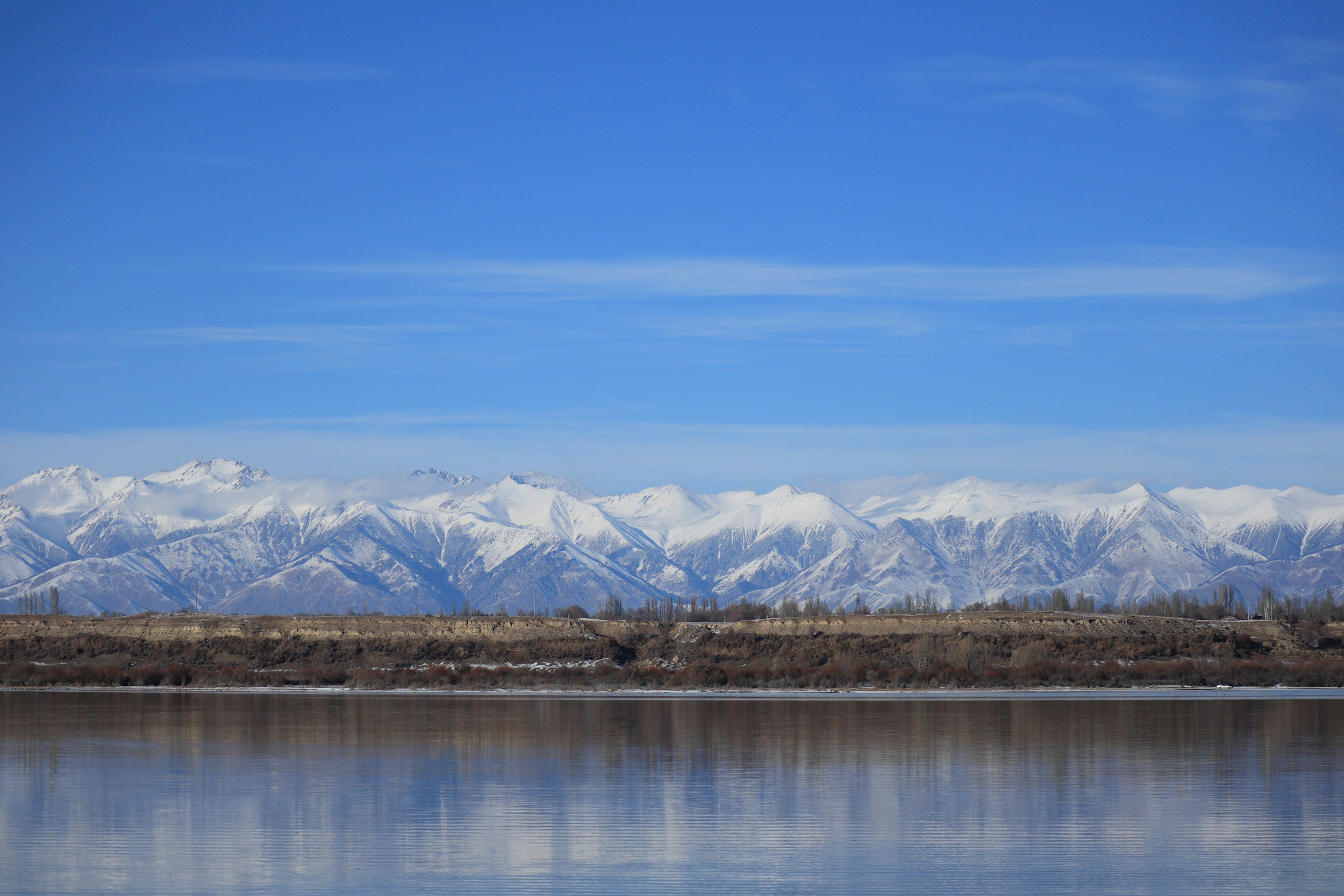
Visit Issyk-Kul in spring for… alpine landscapes as snow recedes and valleys begin to green up around the world’s second largest mountain lake.
From April to May, wildflowers appear across foothills and pasturelands, while lower trails reopen for walking and short hikes.
Samarkand, Uzbekistan
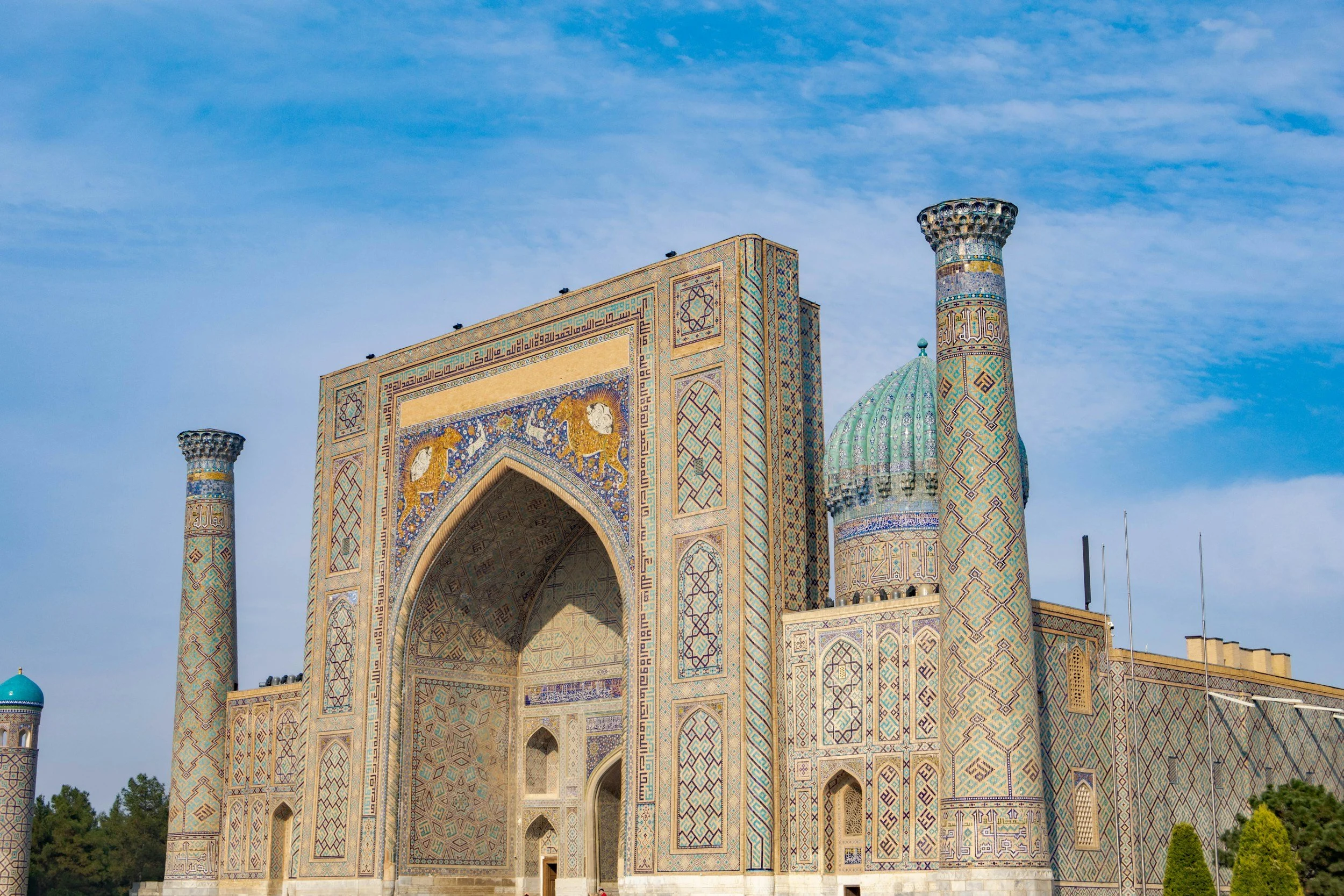
Visit Samarkand in spring… when moderate temperatures are better suited to between ancient Silk Road sites.
Landmarks such as Registan Square, Shah-i-Zinda, and Gur-e-Amir are easier to explore before the summer heat sets in, and the city’s parks and tree-lined streets begin to turn green, providing a calmer backdrop to Samarkand’s large-scale historic architecture and long trading history.
Cappadocia, Turkey
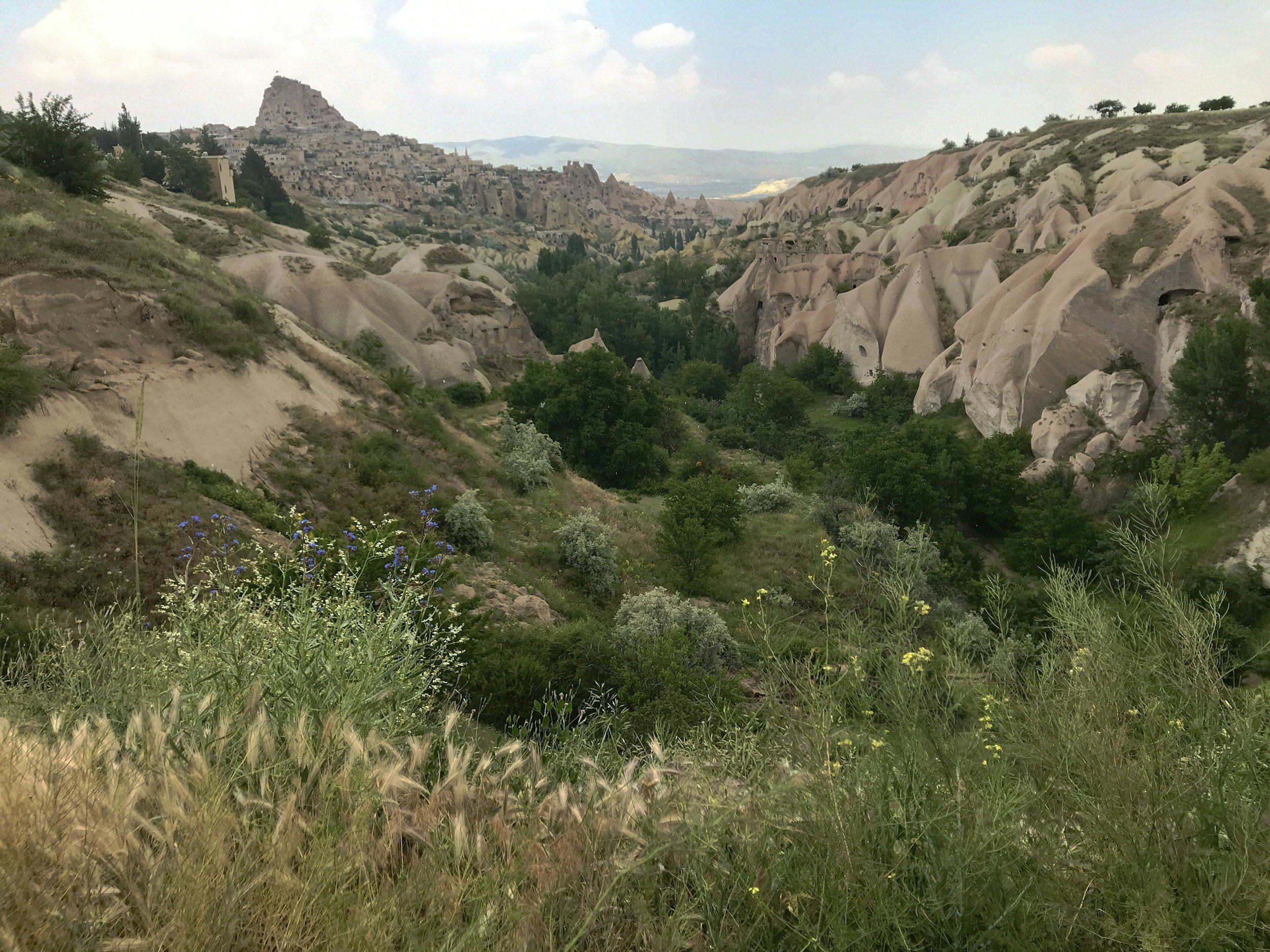
Visit Cappadocia in spring for… walking-friendly weather and landscapes with green valleys and seasonal wildflowers.
The area is known for its fairy chimneys, cave dwellings, and rock-cut churches, many of which sit within Göreme National Park and the Rock Sites of Cappadocia, a UNESCO World Heritage area.
Spring is a practical time for hiking in places like Rose Valley, Pigeon Valley, and the Ihlara Valley, where trails pass through rock formations, open valleys, and rural scenery.
Looking for more nature-inspired travel ideas? You might like these inspirations focused on nature, quiet landscapes and restorative travel, including my collections of surreal places, and peaceful escapes in Malaysia.
Similar Posts










Curious about dark tourism in Malaysia? These places with a dark history reveal stories of war, disaster, imprisonment, displacement, and more.