20 of the best travel destinations for men
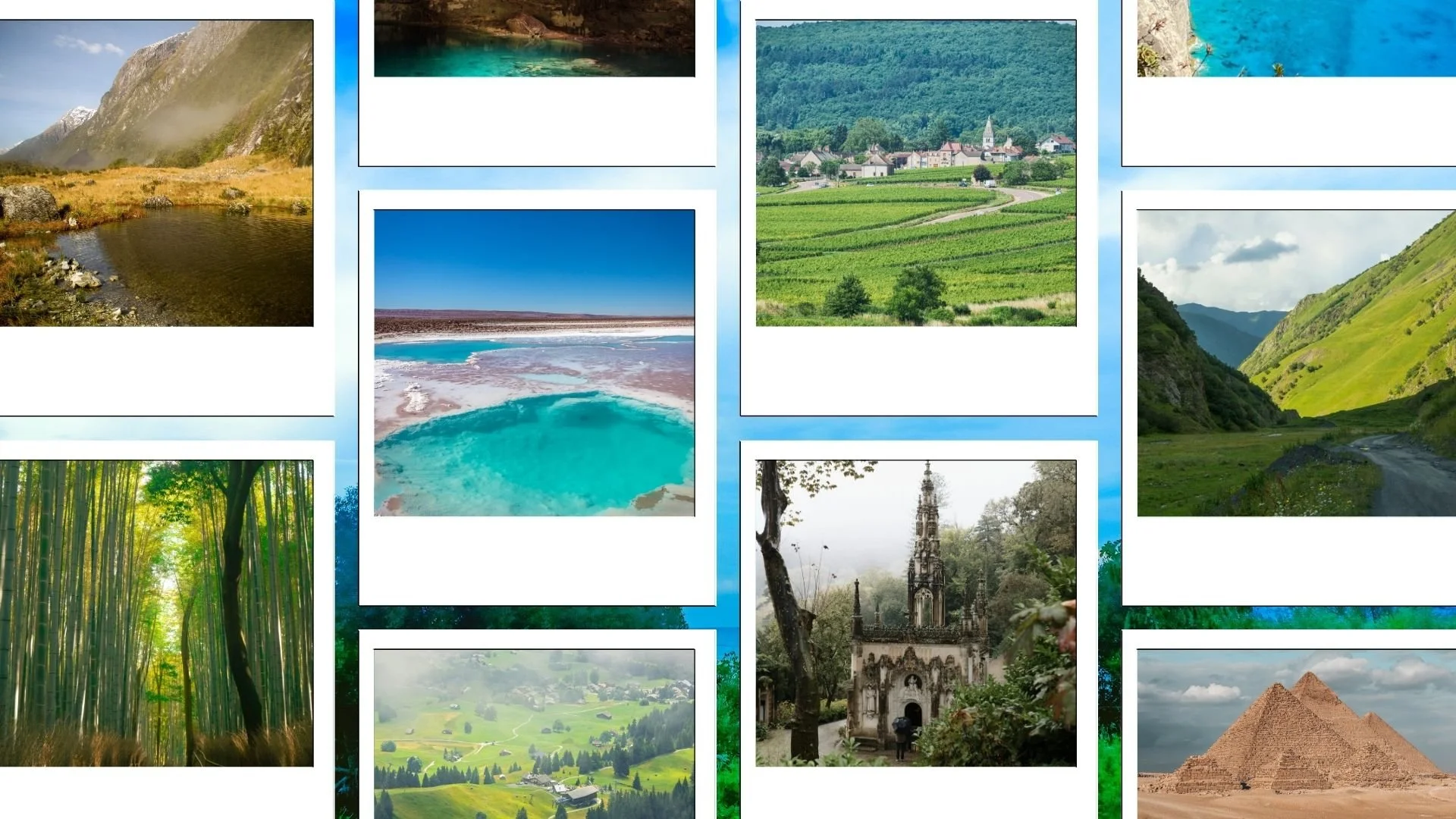
I want to start by saying that I don’t actually think there's a category of destination reserved exclusively for men.
That said, a 2024 Skyscanner survey of solo travellers found that men gravitate towards adventurous excursions, educational deep-dives, historical cities, and wine regions, more than their female counterparts do.
Below, I’ve put together a list of places for men to travel based on that pattern, pulled from the kind of destinations that consistently deliver on them.
Together, they form a well-rounded set of travel destinations for men that reward curiosity, a decent pair of walking shoes, and a willingness to occasionally get lost on purpose.
Read on for destinations that range from ancient cities to landscapes that don't care how prepared you think you are.
The best places for men to travel
New Zealand
Go to New Zealand for… a country that seems engineered specifically for people who get bored sitting still.
Between Queenstown's bungee jumps and jet boats, the Milford Track, and roads that turn a simple drive into a scenic event, New Zealand is about as close as you'll get to a guaranteed adrenaline hit.
It's also forgiving for solo travellers, with well-marked trails, reliable infrastructure, and a tourism industry built entirely around helping you throw yourself off things safely.
Australia
Go to Australia for… a country where adventure, nature, and wine regions exist on a scale that's hard to find elsewhere.
Australia covers enormous distances and an equally wide range of landscapes. You can explore the Great Barrier Reef, drive through the Outback, and visit wine regions such as the Barossa Valley, although not without significant travel between them.
Few destinations combine such varied extremes, making Australia well suited to travellers who enjoy road trips, outdoor activities, and experiencing very different environments within a single trip.
Japan
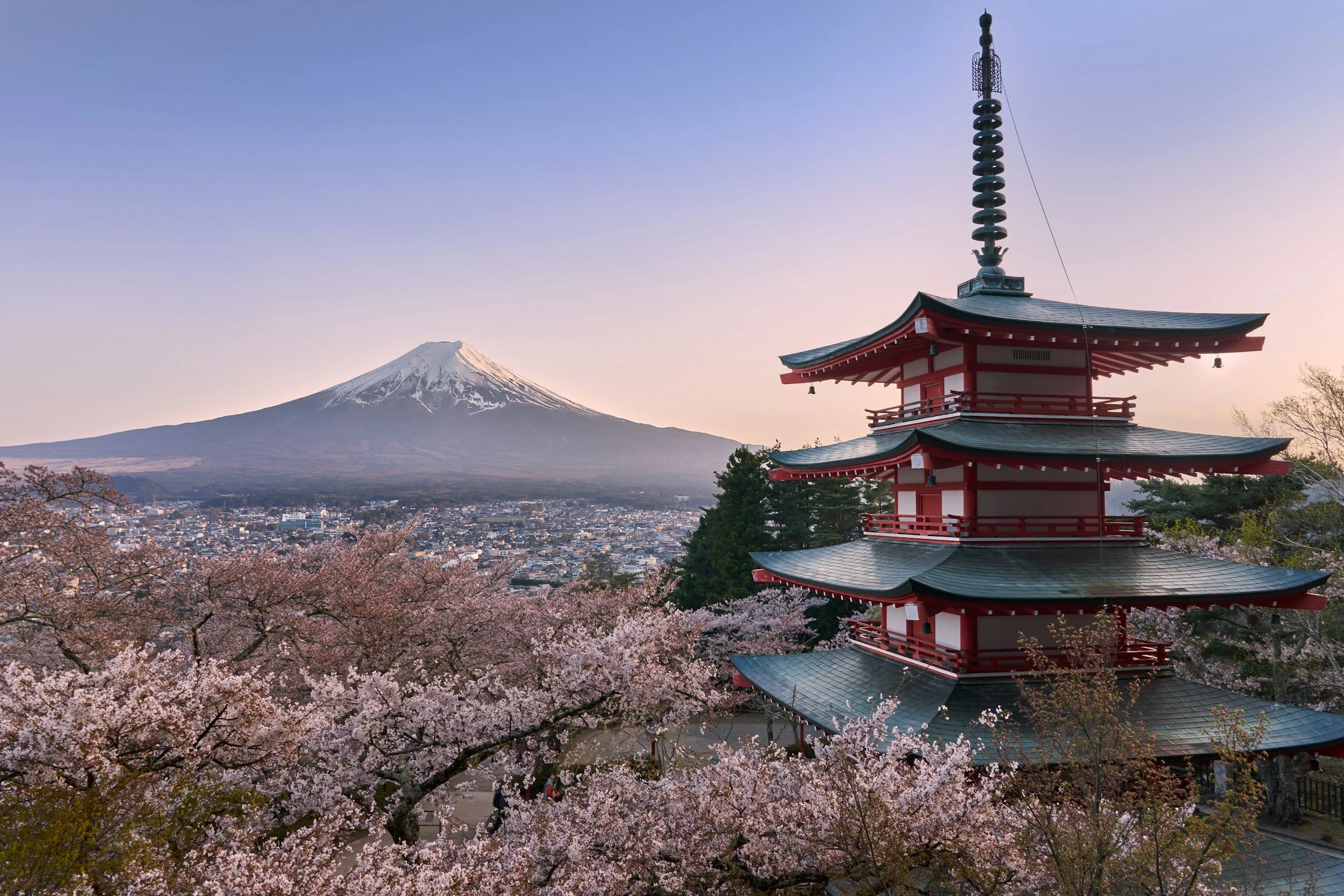
Go to Japan for… a destination where history, traditional culture, and modern life exist side by side.
From the temples and shrines of Kyoto to historic castles and well-preserved districts, Japan offers countless opportunities to learn about its past while seeing how those traditions continue in the present.
Even after the major landmarks, everyday experiences – local festivals, traditional shops, quiet residential streets – keep revealing another layer of the country's cultural heritage.
Canada
Go to Canada for… wilderness on a scale that makes "national park" feel like an understatement.
Banff and Jasper anchor the postcard version, but Canada's real strength is how much wild, unmanaged nature sits just past the trailhead – hiking, canoeing, and wildlife watching across landscapes that don't feel curated for tourists.
Mexico
Go to Mexico for… ancient ruins, colonial cities, and outdoor adventure.
Explore ancient civilisations at Chichén Itzá and Teotihuacán, wander through the colonial streets of Oaxaca and San Miguel de Allende, then head to the Yucatán for cenote diving or Valle de Guadalupe for wine tasting.
Peru
Go to Peru for… the single most iconic multi-day trek most people will ever attempt.
Hiking the Inca Trail to Machu Picchu means four days of switchbacks, altitude, and centuries-old stonework underfoot – a route where the mountain scenery and the history are equally the point.
There's a faster way in, but the four-day route is the one that makes the ruins feel like a payoff instead of a stop on an itinerary.
Chile
Go to Chile for… a country so long and narrow it stretches from the Atacama Desert to Patagonia, with barely anything ordinary in between.
Explore the world's driest non-polar desert in the north, then head south for glaciers, granite peaks, and some of South America's best hiking.
Travelling through Chile usually means covering long distances, but the scenery changes so completely along the way that the journey ends up being as memorable as any single stop.
Argentina
Go to Argentina for… Mendoza, where the Andes do their best impression of a dramatic backdrop.
Mendoza is one of South America's best-known wine regions, with vineyards set against mountains that make even a casual tasting feel cinematic.
Argentina also shares Patagonia's wilderness with Chile, so hikers and hard-adventure travellers have a case for coming here too. El Chaltén, in particular, rivals anything on the Chilean side.
Switzerland
Go to Switzerland for… alpine hiking that makes you feel, briefly, like you've wandered into a very expensive postcard.
Interlaken is the base most people work from – paragliding, canyoning, and hiking routes with views that make the Swiss train prices feel slightly more justified.
It's adventure with the rough edges sanded off: still physically demanding, just impressively well organised about it, down to the cable cars that do half the climbing for you.
Italy
Go to Italy for… a remarkable collection of UNESCO World Heritage Sites and renowned wine regions.
Rome offers some of the world's most significant ancient landmarks, with centuries of history visible at street level. Further north, Tuscany is known for rolling countryside, vineyards, and world-class wine.
Few countries bring together history, art, architecture, and wine as seamlessly as Italy.
France
Go to France for… world-famous wine regions and historic cities that have shaped European culture for centuries.
Bordeaux, Burgundy, and the Champagne region are among the world's most renowned wine destinations, while cities such as Paris, Lyon, and Strasbourg offer museums, architecture, and centuries of history.
Spain
Go to Spain for… historic cities, renowned wine regions, and a culture that blends both into everyday life.
Cities such as Seville, Granada, and Toledo showcase Roman, Moorish, and medieval influences, while La Rioja is one of Europe's best-known wine regions. Across the country, local food, architecture, and traditions reflect centuries of cultural exchange.
Spain is an easy destination to combine historical sightseeing with vineyard visits, regional cuisine, and time spent exploring at a slower pace.
Portugal
Go to Portugal for… one of the world's oldest wine regions and historic towns that are easy to explore.
The Douro Valley is famous for its terraced vineyards and Port wine, while Sintra, Lisbon, and Óbidos offer centuries of history, distinctive architecture, and walkable streets.
Portugal's compact size also makes it easy to combine wine regions, historic towns, and the Atlantic coast in a single trip.
Germany
Go to Germany for… medieval towns, castle-lined river valleys, and historic wine regions.
The Rhine and Moselle valleys combine vineyards with hilltop castles and riverside villages, while the Romantic Road links well-preserved medieval towns such as Rothenburg ob der Tauber. Together, they showcase a side of Germany beyond its major cities.
Greece
Go to Greece for… ancient history, world-famous archaeological sites, and island landscapes.
Landmarks such as the Acropolis in Athens, Delphi, and Olympia provide a direct connection to classical civilisation. Beyond the mainland, the Greek islands combine historic towns, coastal scenery, and Mediterranean culture.
Türkiye
Go to Türkiye for… a country that has served as a crossroads of civilisations for thousands of years.
Istanbul bridges Europe and Asia, and Türkiye offers a rich mix of history and landscapes. Its architecture, cuisine, and traditions reflect influences from multiple cultures.
Georgia
Go to Georgia for… the world's oldest wine-producing tradition and a culture built around it.
Winemaking here dates back around 8,000 years, with wine still produced in traditional qvevri clay vessels buried underground. The country's long wine heritage is recognised by UNESCO as part of Georgia's intangible cultural heritage.
Beyond the vineyards, Old Tbilisi and the nearby Caucasus Mountains make it easy to combine wine, history, and mountain scenery in a single trip.
Morocco
Go to Morocco for… desert excursions, mountain treks, and medinas where getting lost is part of the experience.
Hike through the Atlas Mountains, spend a night camping in the Sahara Desert, then wander the winding streets of Marrakech's medina, where centuries of trade, craftsmanship, and daily life are revealed.
Egypt
Go to Egypt for… one of the world's greatest concentrations of ancient history.
The pyramids of Giza, the Valley of the Kings, and the monumental temples along the Nile preserve thousands of years of Egyptian civilisation, making the country one of the world's foremost destinations for archaeology and history.
South Africa
Go to South Africa for… epic landscapes, safari wildlife, and internationally recognised wine regions.
Game reserves such as Kruger National Park offer opportunities to see the Big Five, while the Cape Winelands combine vineyards with mountain scenery. Coastal drives, hiking, and marine wildlife add even more variety to the experience.
For more travel ideas for men, you might also like…
Similar Posts











Find inspiration for microadventure ideas, from exploring your own city to finding natural escapes, following trails and more.