How to choose your next travel destination (from a realistic point of view)
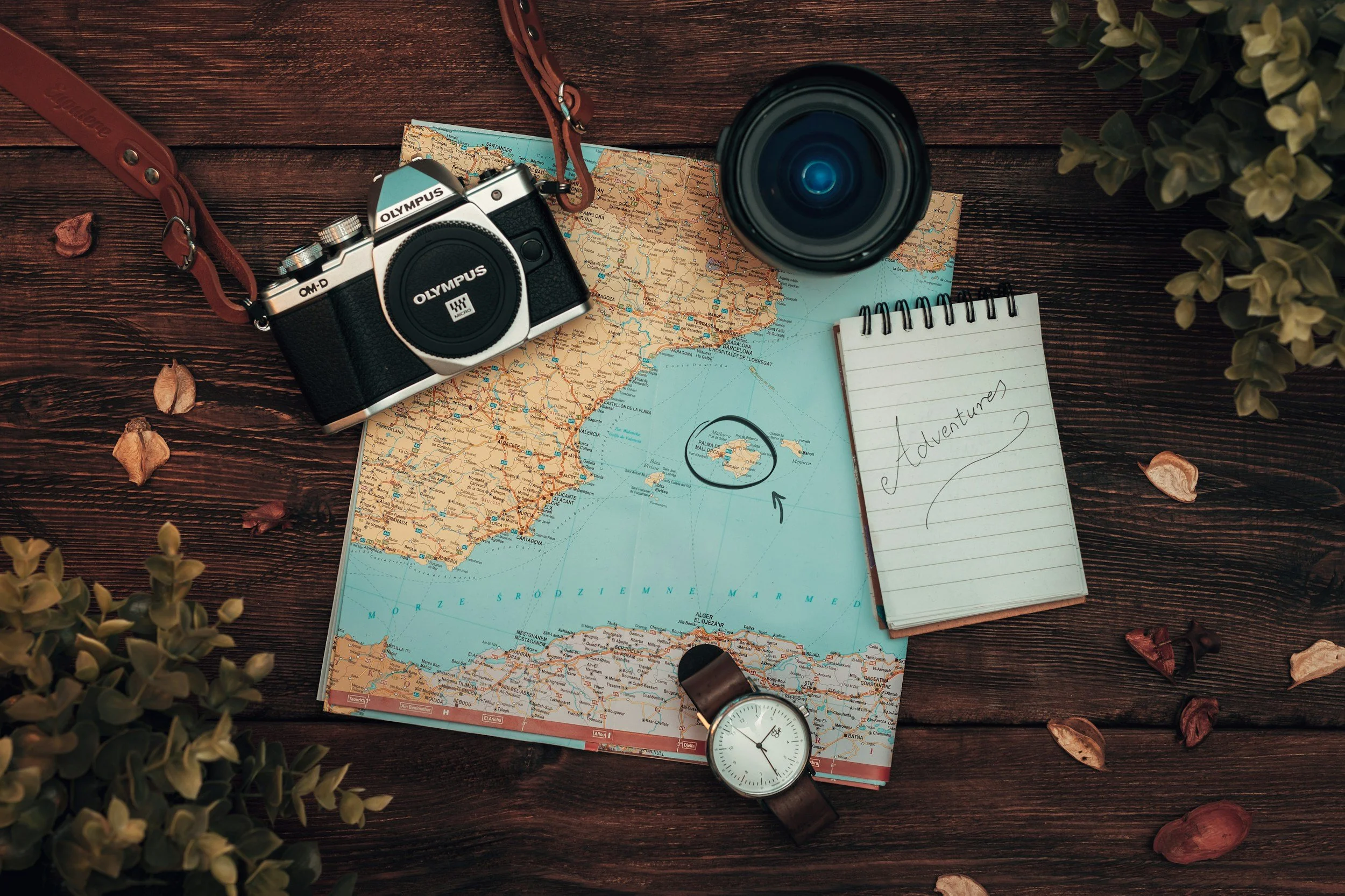
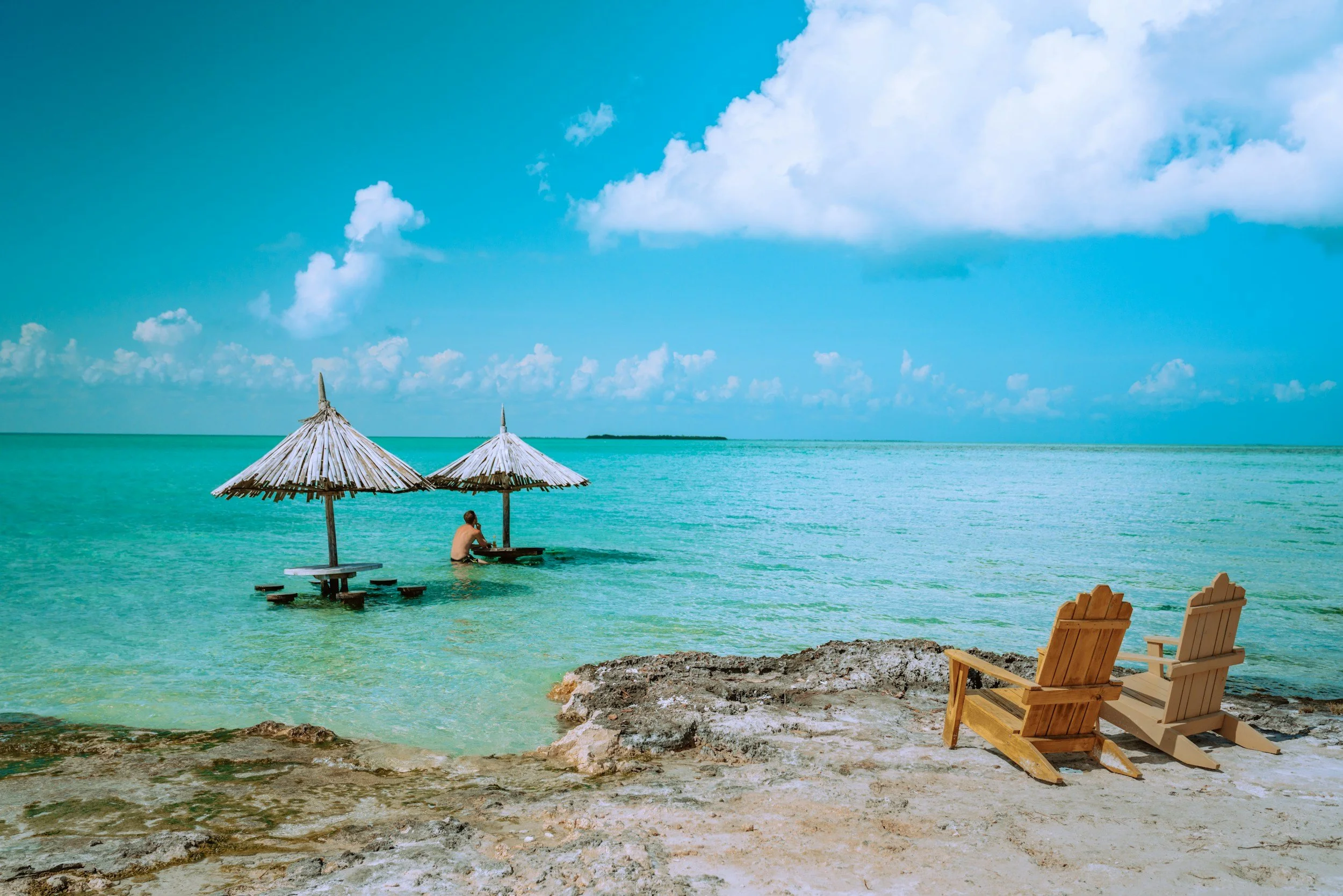
Photo by Radek Skrzypczak
Forget chasing bucket lists or feeling like you need to have travelled everywhere, choosing your next travel destination can be one of the most surprisingly difficult parts of travelling.
I haven’t travelled a lot by world traveller standards. Most of my past trips were planned by friends, and a lot of my travel happened during shore leave while working onboard – often just a few hours in port (Still travel, I think.)
But even with that kind of travel, you start to notice what works for you, what doesn’t, and what actually matters when time, money, and energy are limited.
So where to go next?
Here’s how I’d decide next travel destinations, without having been everywhere, and without overcomplicating it.
How to decide where to travel next
1. Pay attention to trips you already enjoyed
This might sound obvious, but it’s easy to skip. Before choosing a place, it helps to look back at trips you already enjoyed – even if you weren’t the one doing the planning.
Instead of focusing only on the destination, it’s useful to pay attention to the parts of the trip that actually worked. Often, what made a trip enjoyable had less to do with where you were, and more to do with how the trip was structured.
A few things worth noticing:
the pace of the trip (slow days vs constant moving)
the setting (nature, cities, somewhere familiar)
how much structure there was, or wasn’t
Just as important is noticing what drained you:
packed itineraries
long travel days
feeling rushed or overstimulated
2. Know what kind of trip you’re actually in the mood for
Even if you know what tends to work for you, what you want can change from trip to trip.
It’s easy to assume you want a certain destination, when what you really want is a certain experience.
A destination that’s perfect for one kind of trip can feel exhausting for another. Starting with the kind of trip you want this one to be – rather than the place itself – can make the decision feel clearer and less forced.
That small check-in can save a lot of second-guessing later on.
3. Start with constraints, not dream destinations
Before thinking too hard about where to go, it helps to look at the practical limits around this trip. Things like:
how much you’re comfortable spending
how many days you can realistically take off
how much effort you want to put into planning and moving around
Timing matters too. When you can travel often determines which places make sense – especially in countries where weather or seasons change the experience significantly.
These aren’t exciting questions, but they’re clarifying ones. Starting with constraints doesn’t kill the fun; it simply keeps you from getting attached to trips that don’t fit your life at the moment.
4. Save places without committing to them
When you save destinations – on Pinterest, Google Maps, or anywhere else – you’re not deciding where to go. You’re just collecting things that caught your attention for some reason, often without analysing why.
Over time, those saves start to cluster. You might notice that many of them are in the same region, involve similar landscapes, or suggest a similar pace of travel. That pattern can be more useful than any single saved place.
When it comes time to actually choose a destination, this matters because you’re no longer starting from scratch. Instead of asking “Where should I go?”, you’re asking “Which of these already fits my time, budget, and energy right now?”
Saving places creates a short-list before you even realise you’re doing it. And choosing from a short-list is much easier than choosing from the entire world.
5. Follow travel writers and creators with similar travel styles
One way to make destination decisions feel less abstract is to pay attention to people who travel in ways that resemble your own – whether they write blog posts, share on Instagram, or document trips on YouTube.
When the pace, priorities, or constraints line up, their experiences become easier to interpret. You’re not just seeing where they went, but how a place felt when approached with a certain amount of time, energy, or budget.
Rather than following everyone, it helps to focus on a small number of voices whose travel style you recognise.
Viewed through this lens, new destinations begin to feel more legible – not because they’re being recommended, but because you’ve seen similar trips unfold in ways that either appeal to you or don’t.
This shifts other people’s travel content from pure inspiration into a quiet decision-making tool.
6. Let logistics help you decide
Sometimes the deciding factor is a cheap or convenient flight. Other times, it’s how easy it looks to get around once you arrive, or whether accommodation options feel straightforward rather than stressful.
When a destination has a direct flight, reasonable prices, and places to stay that are easy to book, it naturally moves up the list – especially when everything else feels roughly equal.
7. Notice which places keep coming up
Have you noticed how some places keep reappearing, even when you’re not actively planning a trip? They show up in small, unintentional ways – mentioned by people you follow, recommended in passing, or referenced across different conversations and contexts.
Repeated exposure tends to mean something. Not that a place is objectively “better”, but that it continues to fit your interests, constraints, or curiosity in a way that lasts.
8. Go local or nearby
It doesn’t always have to be a big trip or a far-away destination. Choosing somewhere local or nearby can make the decision much easier.
Shorter distances usually mean fewer logistics to think through – less planning, lower costs, and more flexibility with timing. That can remove a lot of the friction that causes people to delay deciding altogether.
Choosing something local isn’t a compromise. It’s a practical way to move from endless options to a clear, doable plan – and often the easiest way to actually follow through.
To help you choose your next travel destination, have a browse through my list of places to travel when you don’t know where to go.
Or, if you’re curious about travel ideas closer to where I live, explore my Malaysia collections. From nature retreats to characterful stays, and places that feel a little surreal, I hope you’ll find a few spots to add to your list of places to visit in Malaysia. Happy travels!
Similar Posts







Curious about dark tourism in Malaysia? These places with a dark history reveal stories of war, disaster, imprisonment, displacement, and more.