12 mythological places in Malaysia rich in legend and folklore
Malaysia's landscape is filled with mythological stories and folklore. Long before these places became stops on a travel itinerary, they were sacred ground in the region's oral traditions.
This mix of Malay, Chinese, Indian, and indigenous mythology means the country's list of mythological places is unusually varied.
Some of these sites are still tied to local ritual and belief. Others are embedded in the landscape so completely that it's easy to pass by without knowing their backstory.
What they share is a role in explaining the unexplainable: why a cave has a particular shape, why a hill stands where it does, why a lake never seems to run dry.
The most famous mythological places in Malaysia are usually the ones with well-documented legends behind them, retold for centuries and often as beautiful as they are storied.
The country also holds quieter, lesser-known sites. These sacred mythological places rarely make it onto a typical Malaysia itinerary, despite being just as tied to local belief.
Compared to other Asian mythological places, Malaysia's are notable for how many are still woven into daily life. This is less a checklist of ruins and more a set of living stories.
Here's a list of some of the most notable mythological places in Malaysia, whether the plan is to visit in person or simply read into the myths behind them.
Malaysia's most storied and sacred places, and the myths behind them
Batu Caves, Selangor
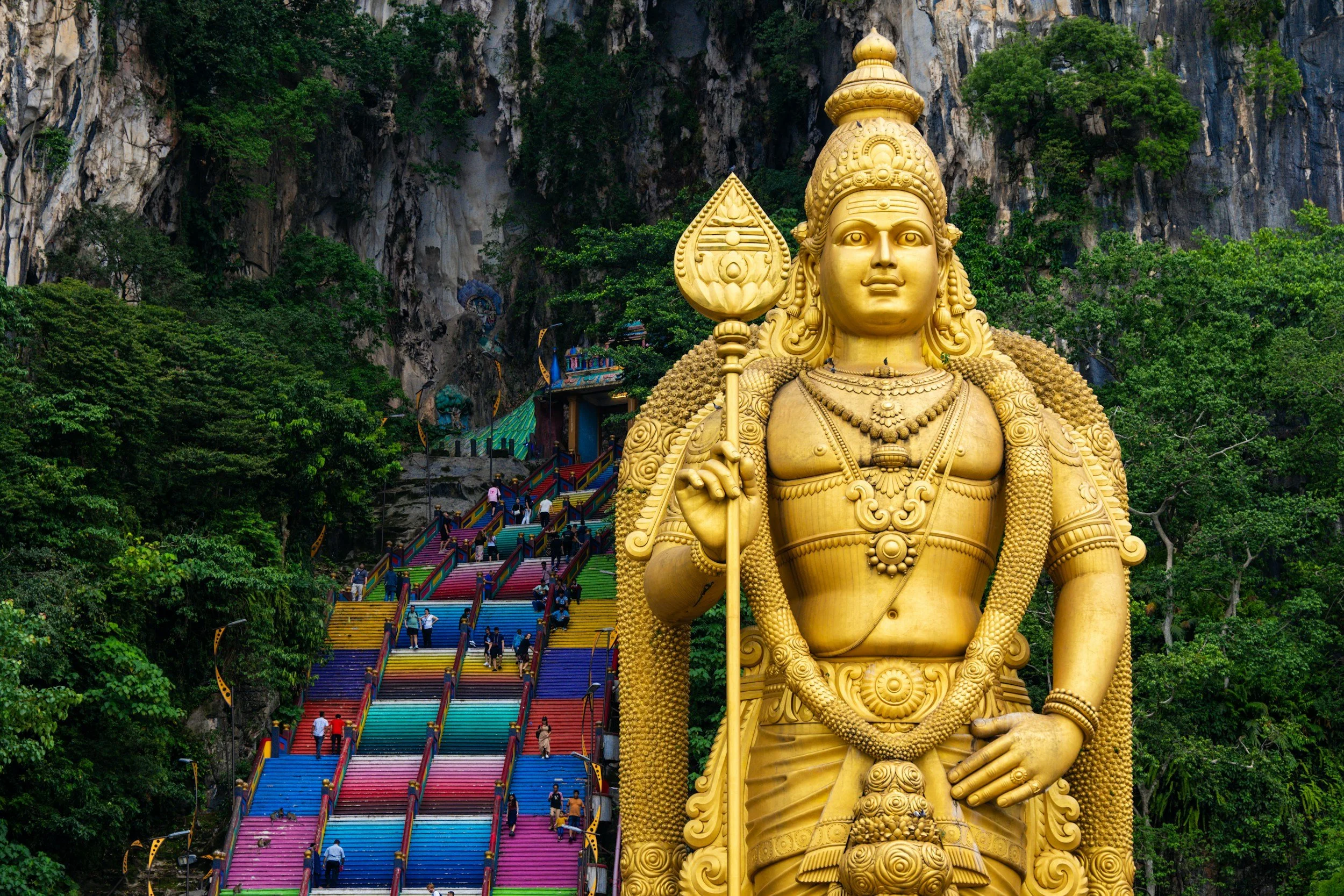
Photo by Sam
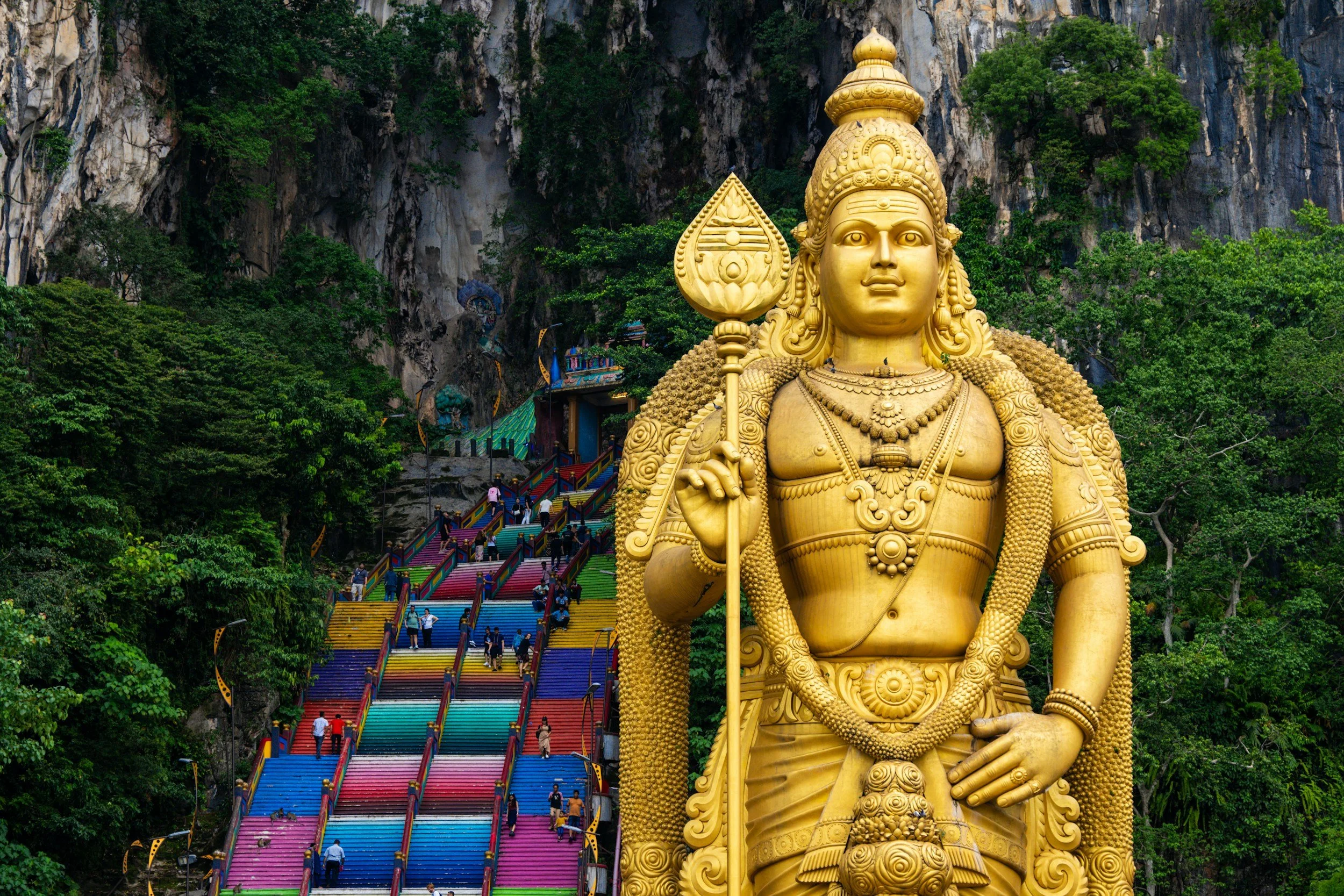
Less myth than living religion, though the two are hard to separate here. Batu Caves is a working Hindu shrine where mythology is carved into the architecture itself.
It's a 400-million-year-old limestone hill just north of Kuala Lumpur, home to one of the largest Hindu shrine complexes outside India. A 42.7-metre golden statue of Lord Murugan stands guard at the entrance, and 272 rainbow-painted steps lead up into the main cavern.
The site became a place of worship after Tamil trader K. Thamboosamy Pillai noticed that the entrance to one of the caves resembled the tip of Murugan's spear, and dedicated it to the god accordingly. It's remained a pilgrimage site ever since, drawing the largest crowds during Thaipusam, when devotees carry kavadi up the steps as an act of penance.
Batu Caves is free to enter and easy to reach by train from central KL, which makes it one of the more accessible entries on this list.
Lembah Bujang, Kedah
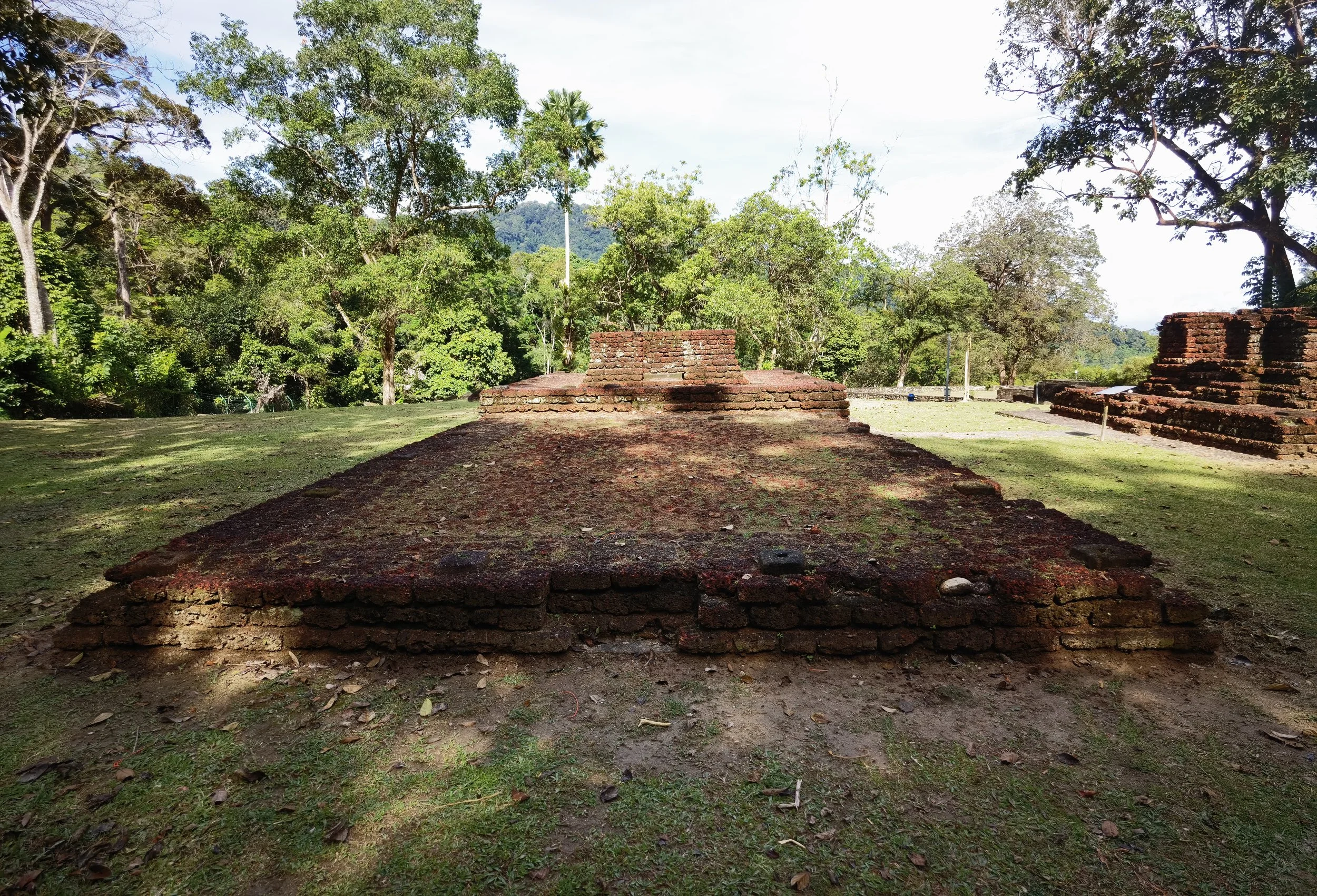
Photo by Blackhurrem, via Wikimedia Commons
Lembah Bujang, in Kedah, is one of the most significant archaeological sites in Southeast Asia – the remains of an ancient Hindu-Buddhist kingdom that once sat along trade routes between India and China. Scattered across the valley are the ruins of over 50 candi (temple ruins), some dating back over 1,500 years.
The Hikayat Merong Mahawangsa (the Kedah Annals) ties the valley to Merong Mahawangsa, a legendary king said to have founded the kingdom of Langkasuka after his fleet was attacked at sea by a giant Garuda. The legend was written down well before archaeologists began excavating the site.
Tasik Dayang Bunting, Langkawi
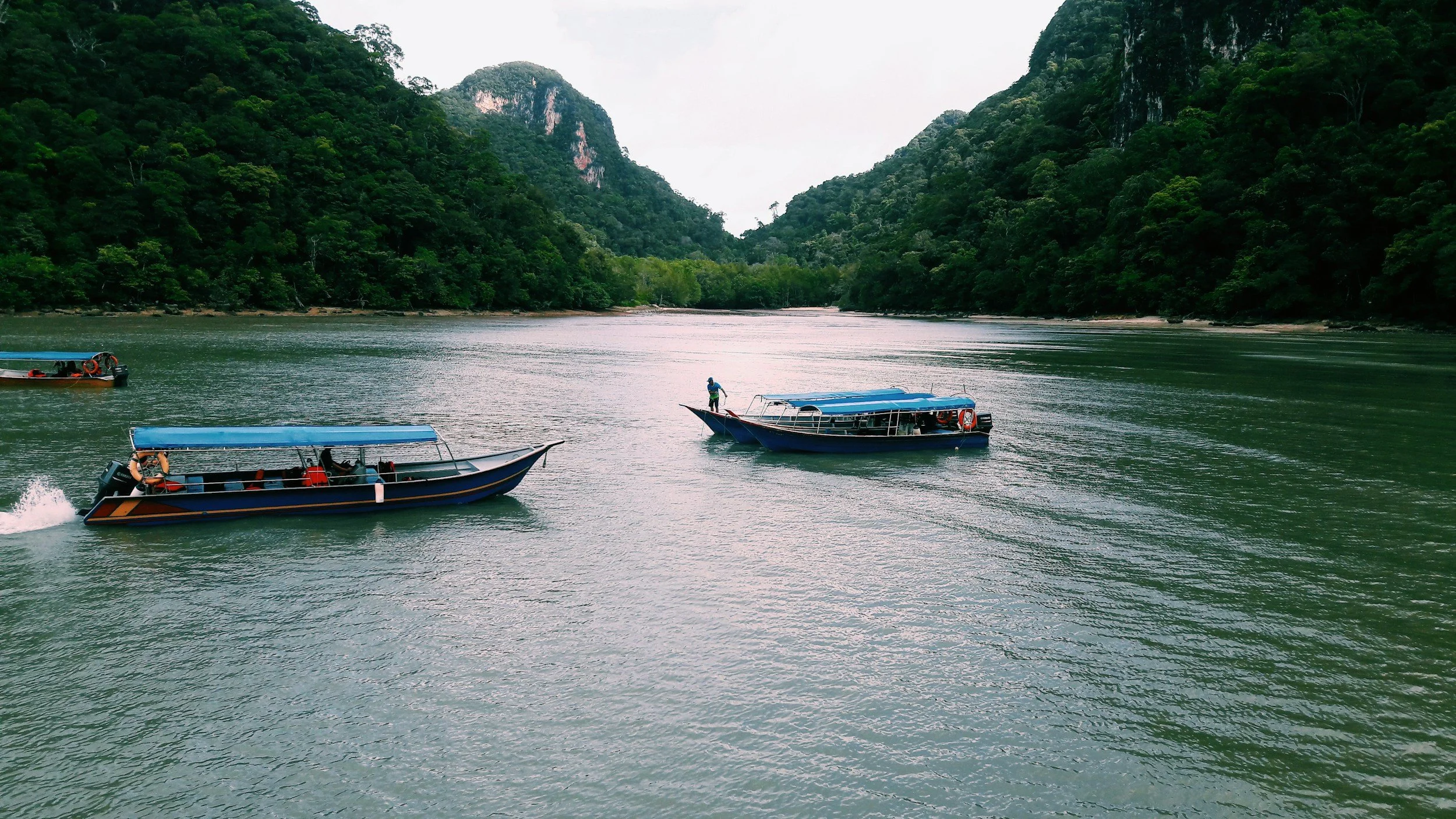
Photo by Oliver
Tasik Dayang Bunting is Langkawi's largest freshwater lake, ringed by limestone hills whose silhouette is said to resemble a pregnant woman lying on her back – which is where the name comes from, "lake of the pregnant maiden".
The legend behind it involves Mambang Sari, a celestial sprite, and a mortal man, Mat Teja. The two married and had a child, who died within days of being born. Mambang Sari laid the baby to rest in the lake, and locals still believe its waters carry the power to help with fertility.
Padang Matsirat, Langkawi
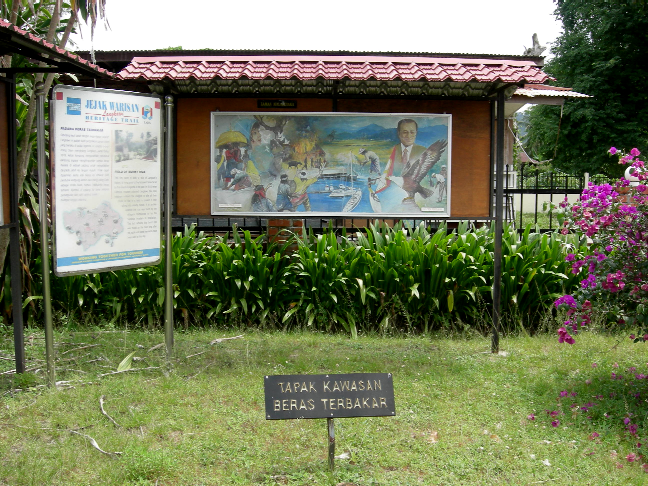
Photo by Napiez, via Wikimedia Commons
Padang Matsirat is a district near Langkawi's airport, and within it sits Padang Beras Terbakar (the Field of Burnt Rice), the site tied to a Siamese invasion in the 19th century. As the story goes, villagers poisoned their wells and burnt their rice stores as the army advanced, and it's said that traces of blackened rice can still occasionally be found buried in the soil.
The invasion is often tied to an older legend: Mahsuri, a beautiful young woman falsely accused of adultery and executed shortly before, who is said to have cursed the island with seven generations of bad luck as she died. The Siamese invasion that followed is often read as that curse taking hold.
Seven Wells Waterfall, Langkawi
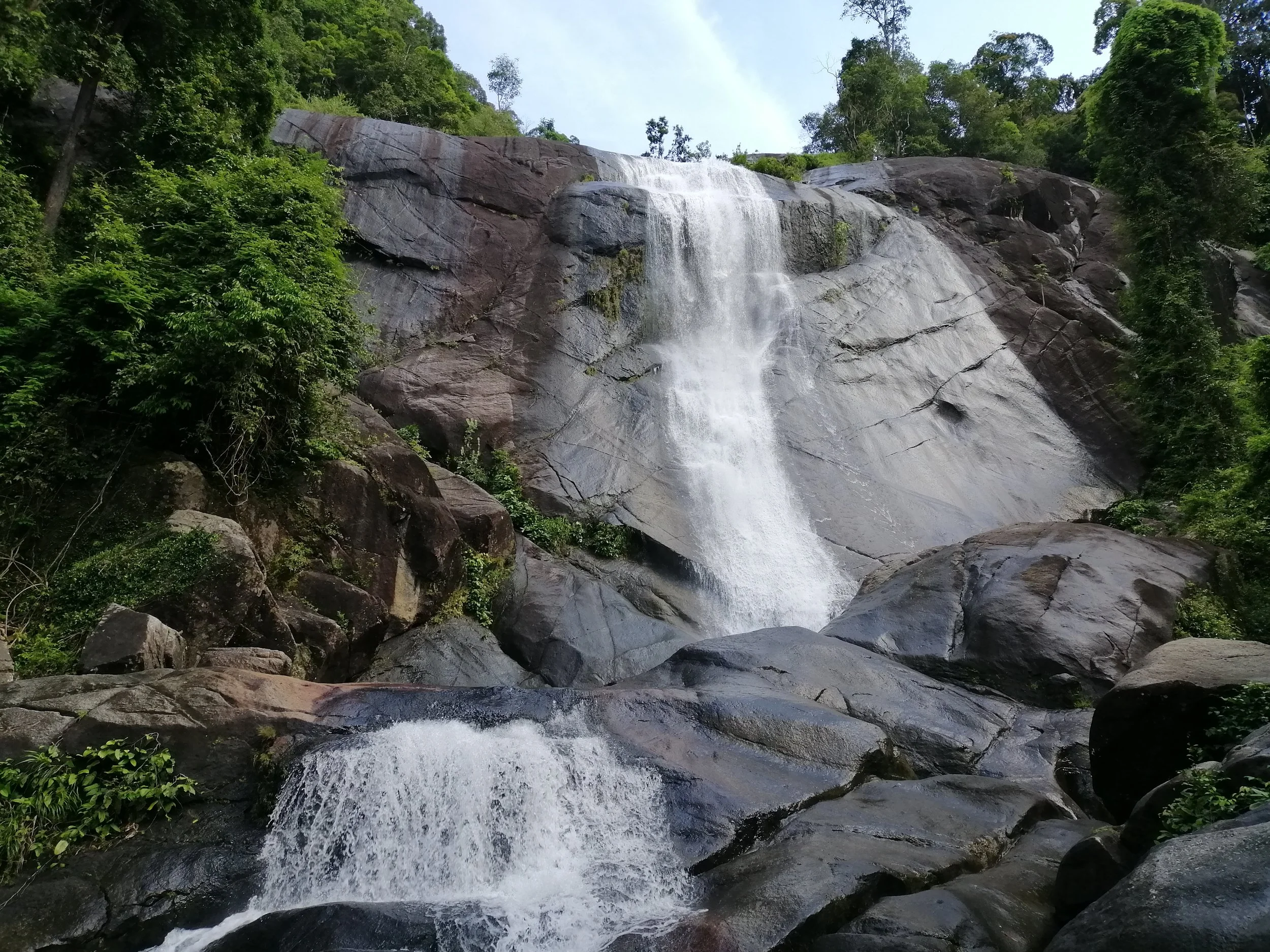
Photo by Sabrinakhanpoly, via Wikimedia Commons
Telaga Tujuh (Seven Wells Waterfall) cascades down the slopes of Gunung Mat Cincang in a series of seven natural pools.
Local legend holds that fairies once bathed in the pools, and it's their bathing that's said to have given the water its healing properties.
Reaching the upper pools takes a steep climb of several hundred steps through the jungle, which keeps the crowds thinner the higher you go.
Bota, Perak
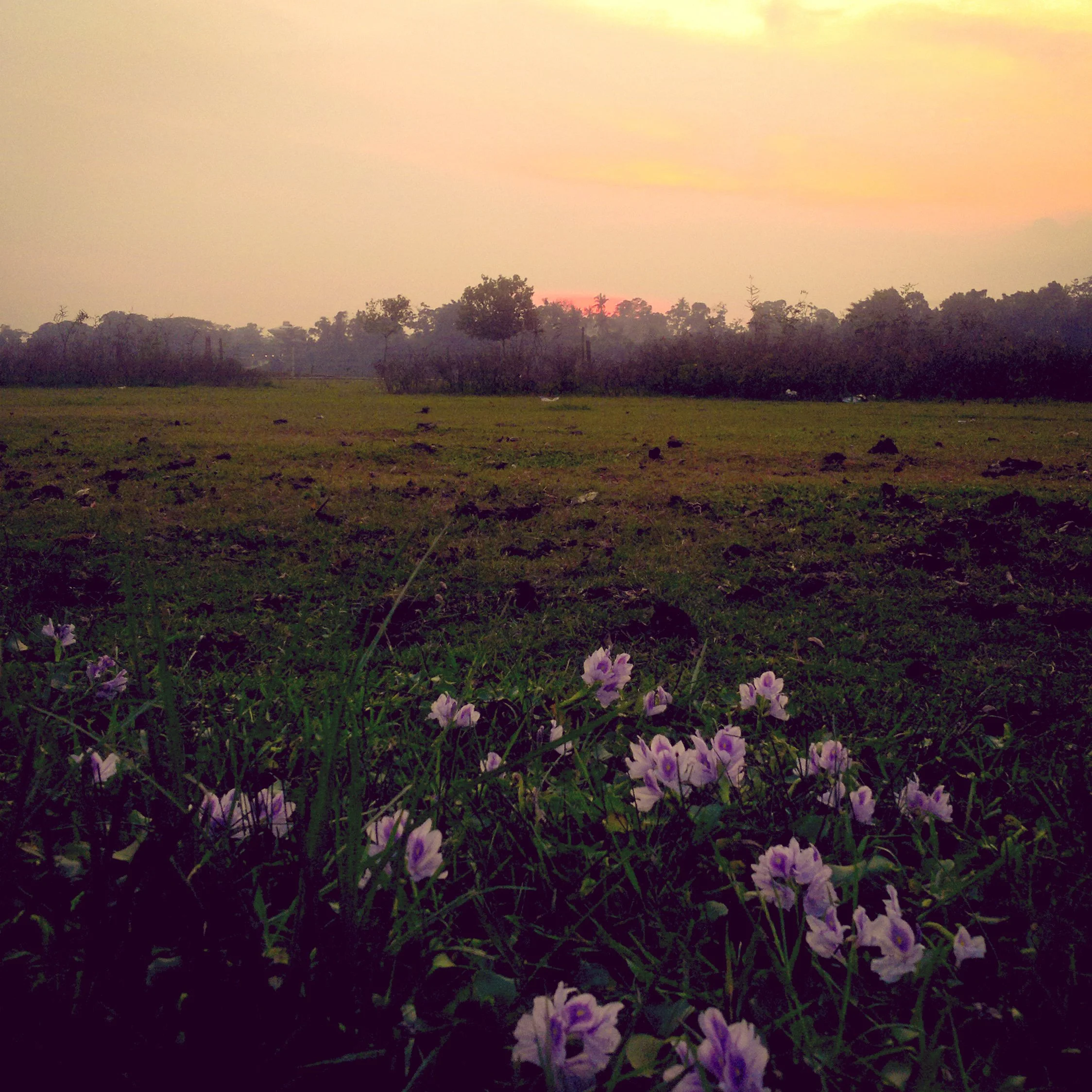
Photo by Syahmir, via Wikimedia Commons
Bota, a small town in Perak, was once known as Berahman Indera. Local folklore says the name changed after a giant began terrorising the area. The creature is said to live underground, hunt fish along the riverbanks at dusk, and take a particular interest in children who wandered around without their trousers on.
The legend is still used today the way it likely started: as a cautionary tale parents tell their children, warning them to get dressed and come home before dusk.
Tasik Chini, Pahang
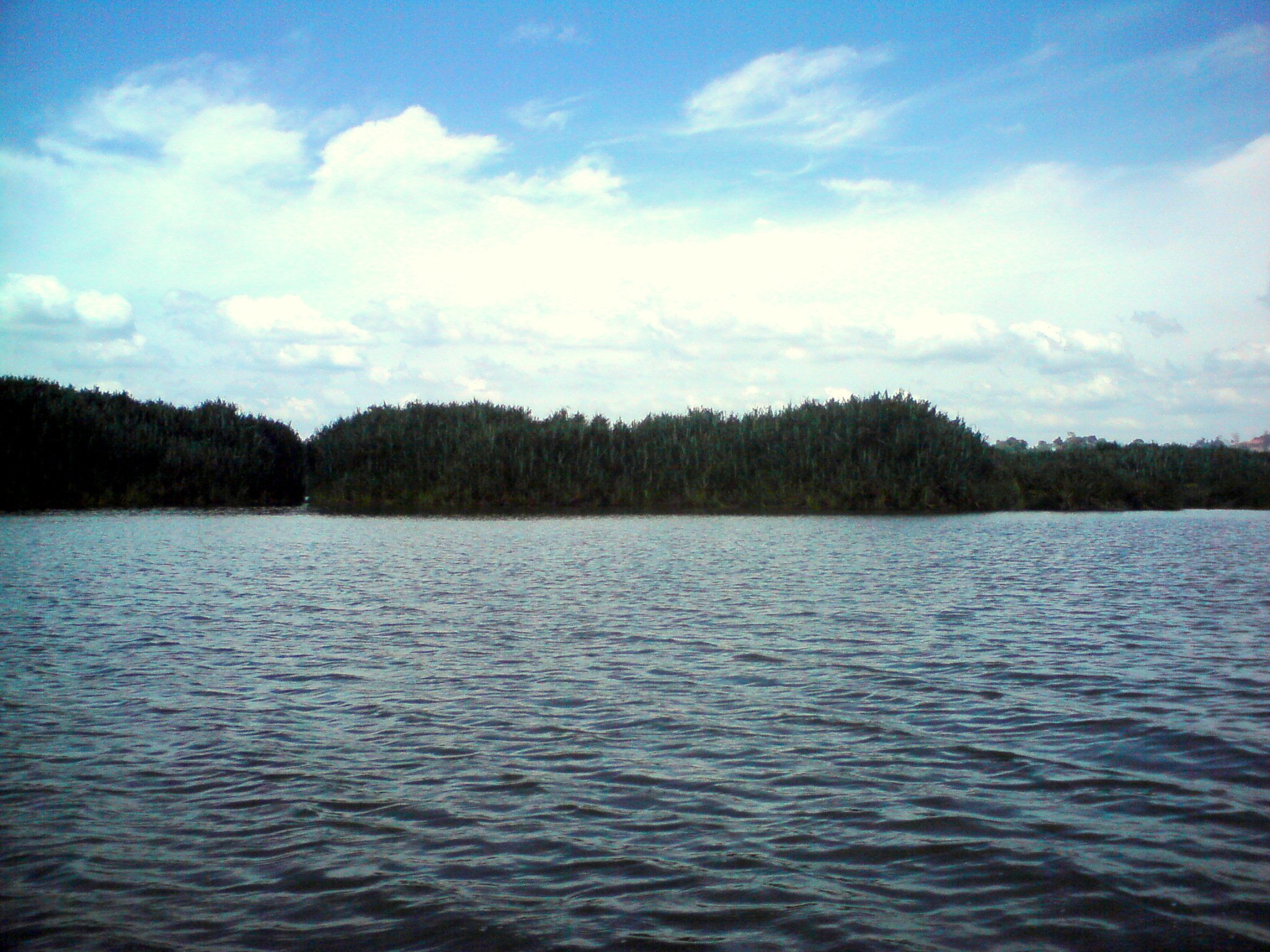
Photo by Rubenjoker, via Wikimedia Commons
Tasik Chini is Malaysia's second-largest freshwater lake, made up of a dozen interconnecting bodies of water in Pahang.
The Jakun, an indigenous community who live around the lake, believe it's home to a dragon-like serpent called Naga Seri Gumum. Sightings have been reported for decades, often compared to those of the Loch Ness monster.
Some also believe an ancient Khmer city lies submerged beneath the lake, though this remains an unconfirmed theory.
Gunung Ledang, Johor
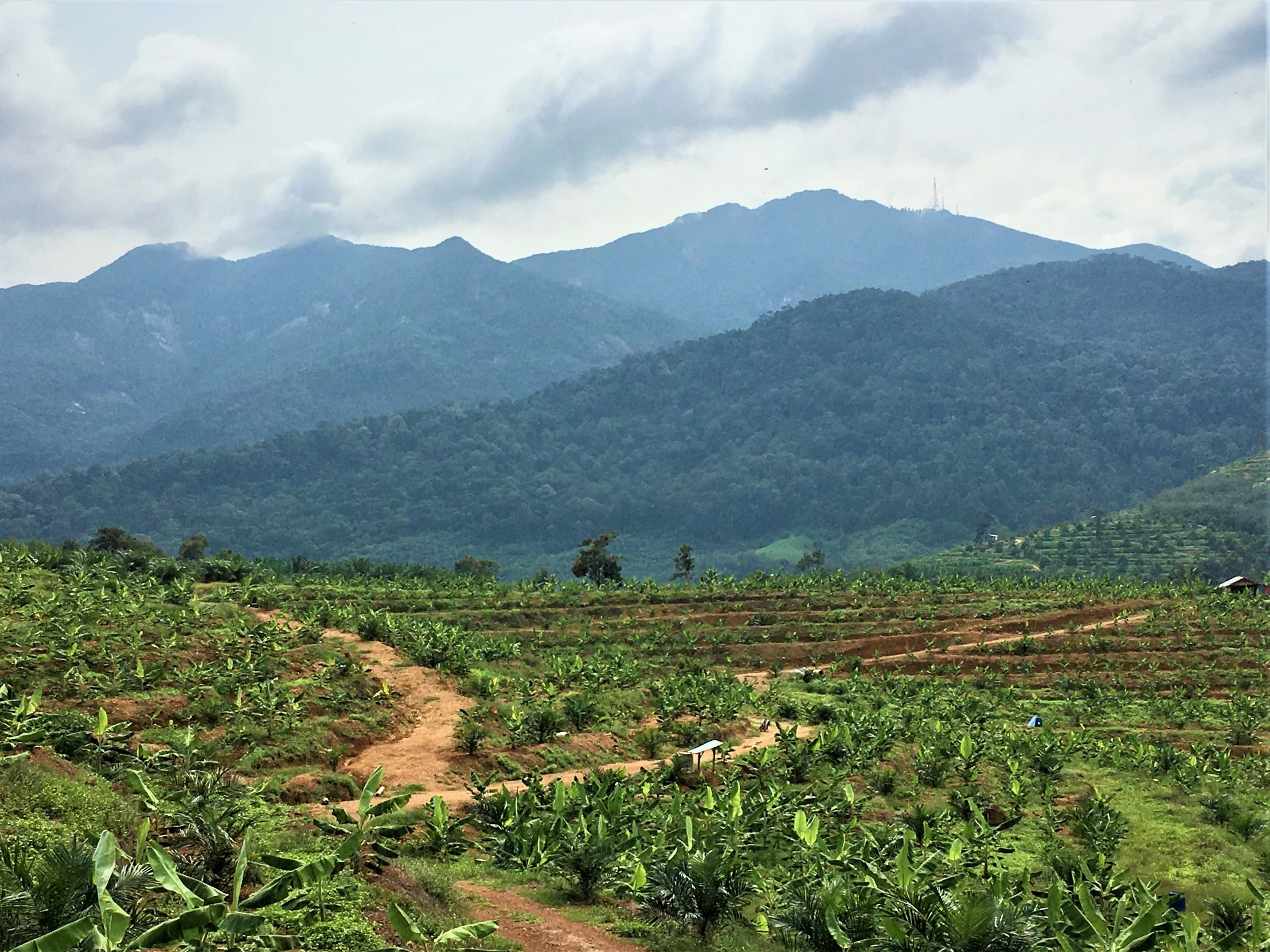
Photo by Slleong, via Wikimedia Commons
Gunung Ledang (Mount Ledang) is Johor's highest peak and the setting of one of Malay folklore's most retold legends: the story of Puteri Gunung Ledang, a fabled princess.
As the tale goes, the Sultan of Melaka wanted to marry her, but she set seven impossible tasks – including building a golden bridge and presenting a bowl of the Sultan's own son's blood – effectively turning him down.
The mountain is one of Malaysia's most challenging hiking destinations today, with trails leading past several waterfalls, though locals still say the princess never left.
Pulau Besar, Melaka
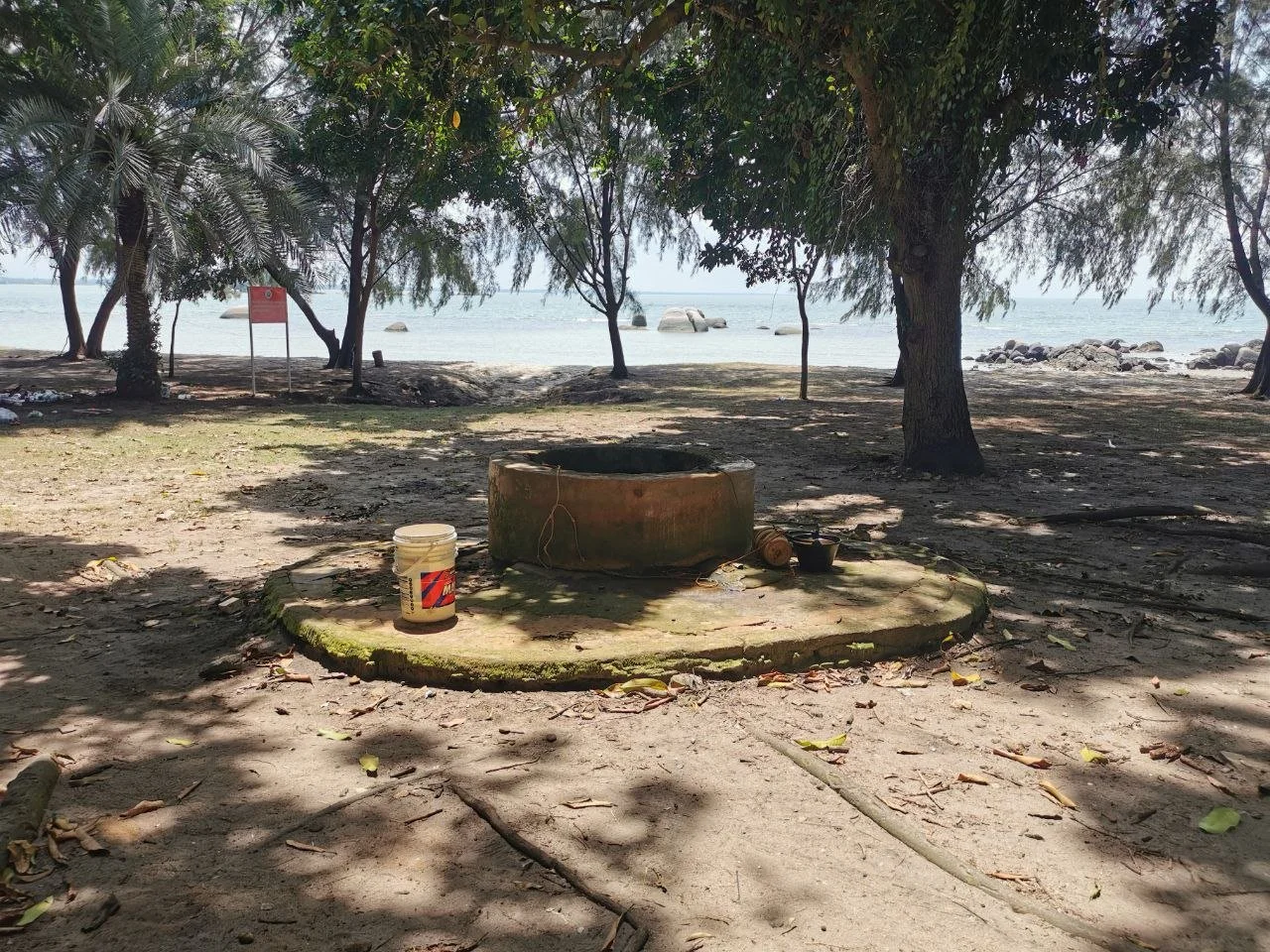
Photo by Adiputera, via Wikimedia Commons
Pulau Besar sits just off the coast of Melaka, and is known locally as a sacred and mystical island.
Its history traces back to the arrival of Sultan Al Ariffin Sheikh Ismail, a descendant of the Prophet Muhammad, who is said to have settled there to spread Islam, teach, and meditate. His tomb remains the island's main pilgrimage site, surrounded by old wells and shrines.
Because it's treated as sacred ground, visitors are expected to follow certain taboos – no pork, no alcohol, no arrogance or immoral behaviour. Breaking them is believed to invite misfortune.
Local folklore adds tales of ancient warriors and Orang Bunian, invisible spirit folk said to live alongside the island's human visitors. The island's reputation runs deep enough that parts of it have been left abandoned altogether.
Gunung Santubong, Sarawak
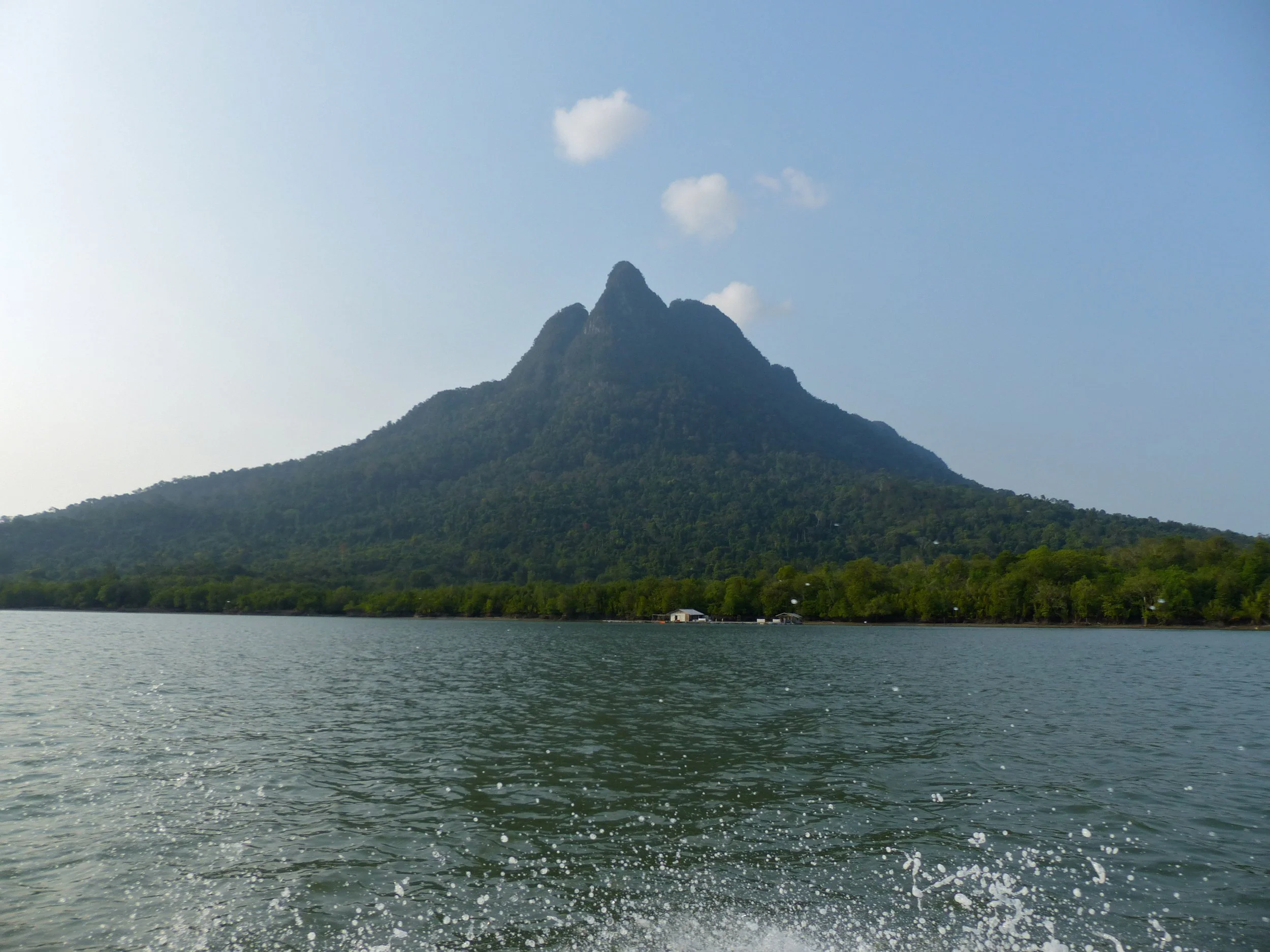
Photo by Bernard Dupont, via Wikimedia Commons
Sarawak's coastline has its own contribution to Malaysia's list of mythological places: Gunung Santubong, a sharp peak that rises straight out of the South China Sea, visible from the beaches of the Damai peninsula.
Legend has it that Santubong and Sejinjang were two celestial princesses who fell into a violent rivalry over the same mortal prince. Their father, the King of Heaven, cursed them both into stone for it – Santubong became the mountain that bears her name, while Sejinjang was shattered into the smaller islands scattered offshore.
The folklore says the mountain's silhouette resembles a woman lying on her back, and that the crack along its ridge is the scar from where her sister struck her.
Batang Lupar, Sarawak
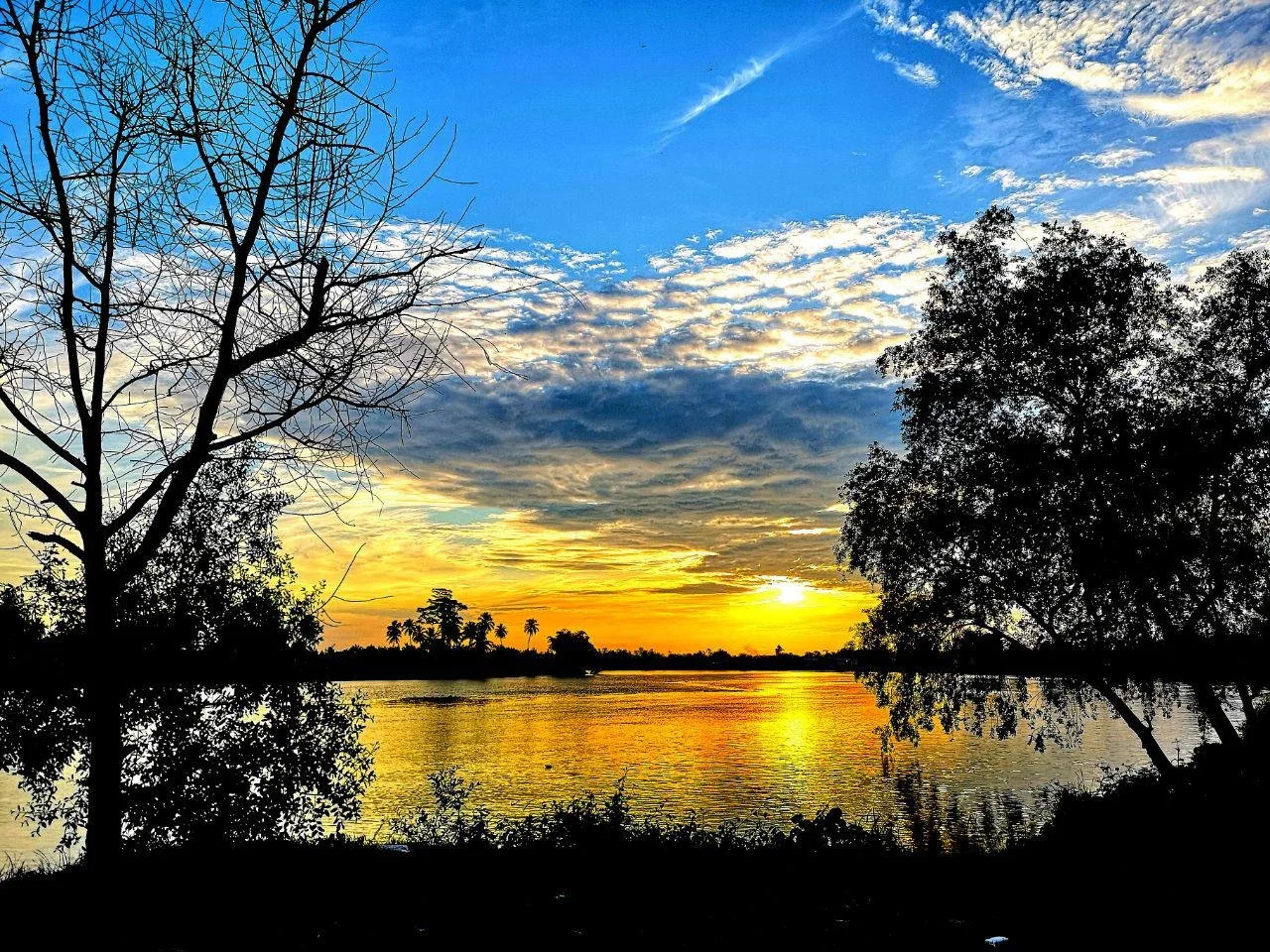
Photo by Scipio66africanus, via Wikimedia Commons
Batang Lupar is best known for two things: the Benak, a powerful tidal bore that surges upriver against the current and draws surfers and spectators to the annual Pesta Benak festival, and Bujang Senang, a crocodile said to be more legend than animal.
According to Iban folklore, Bujang Senang was once a warrior named Simalungun, killed while trying to rescue his wife from captors. His death is said to have transformed him into a giant white-striped crocodile, sworn to avenge himself on the descendants of his killers along the river.
A crocodile matching that description did exist – a nearly 20-foot saltwater crocodile blamed for a string of attacks along the Batang Lupar between 1941 and 1992, when it was finally killed. Locals still debate whether the real Bujang Senang was ever truly caught.
Mount Kinabalu, Sabah
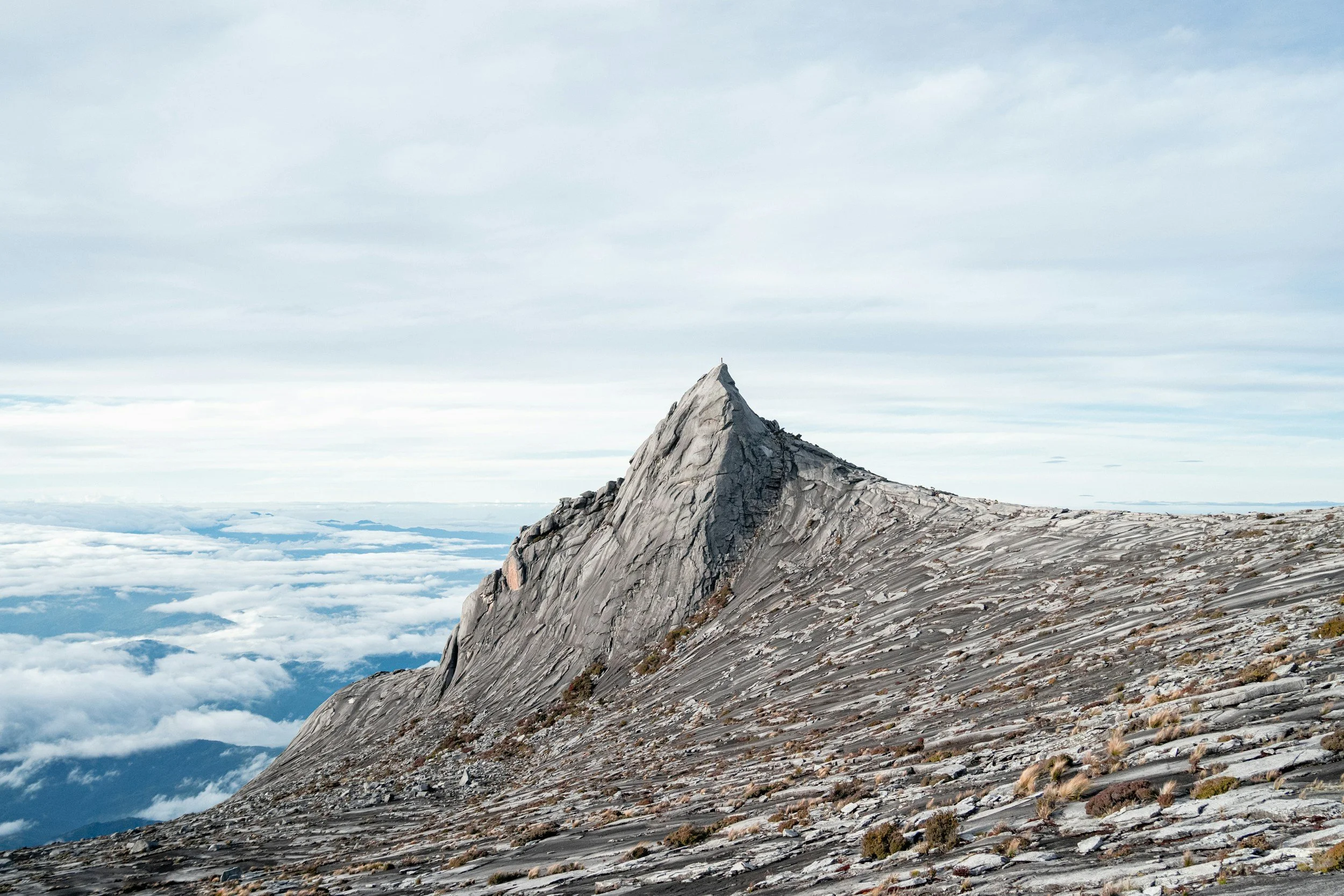
Photo by Ong Cheng Zheng
Mount Kinabalu is Malaysia’s tallest peak, a UNESCO World Heritage Site whose granite summit rises out of the Borneo jungle and above the clouds. To the Kadazan-Dusun, the indigenous people of Sabah, it's known as Aki Nabalu, the revered resting place of the dead, where the souls of ancestors are believed to gather.
A separate legend gives the mountain its other name: a Chinese prince is said to have climbed it in search of a magical pearl guarded by a dragon, killed the dragon, and claimed the pearl, only to abandon the local wife he married there and return to China. Some trace "Kinabalu" to "Cina Balu" (Chinese widow) in her memory.
In 2015, a group of tourists stripped naked at the summit days before a deadly earthquake struck the mountain. Locals blamed their disrespect for angering the mountain's spirits.
For more of Malaysia's landscape, explore its surreal natural places, or unwind at one of the country's quieter nature retreats. If it's the islands that caught your interest, see the list of best islands in Malaysia.
Similar Posts







In need of a change of scenery? These weekend getaways from Kuala Lumpur include peaceful nature retreats, charming towns and beach escapes.