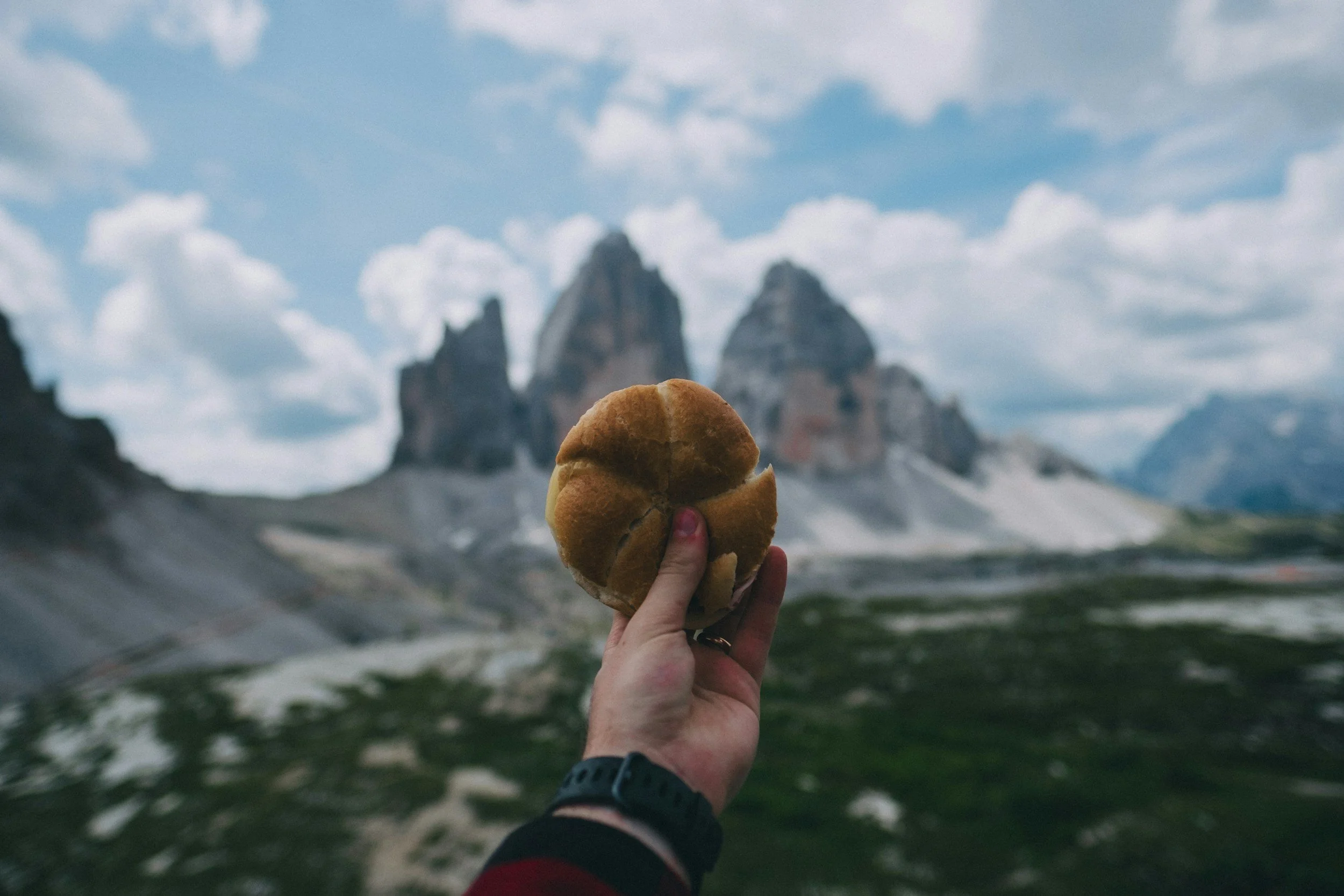
I’m a light eater, so what counts as a snack for someone else can easily be a meal for me. I also find that the cold at the top of a mountain can make me hungry, even after a tiring activity when I don't particularly feel like eating.
To put this list of hiking food ideas together, I’ve thought about the things I’d actually want to eat after a long hike. That means portable, lightweight food that doesn’t take up too much room in your backpack, preferably without having to handle it with dirty hands.
These are some easy foods to bring on a hike, whether you’re looking for light meals, filling snacks, or something warm to enjoy at the summit. Some are ready to eat, while others need a little preparation or hot water, making them suitable for easier hikes and camping trips too.
After all, there's nothing quite like reaching a mountain stop hungry, only to discover that the food available costs a small fortune (something I learnt at Kawah Ijen). I'd rather bring something along and enjoy it with the view.
The best food to bring on a hike
Sandwiches
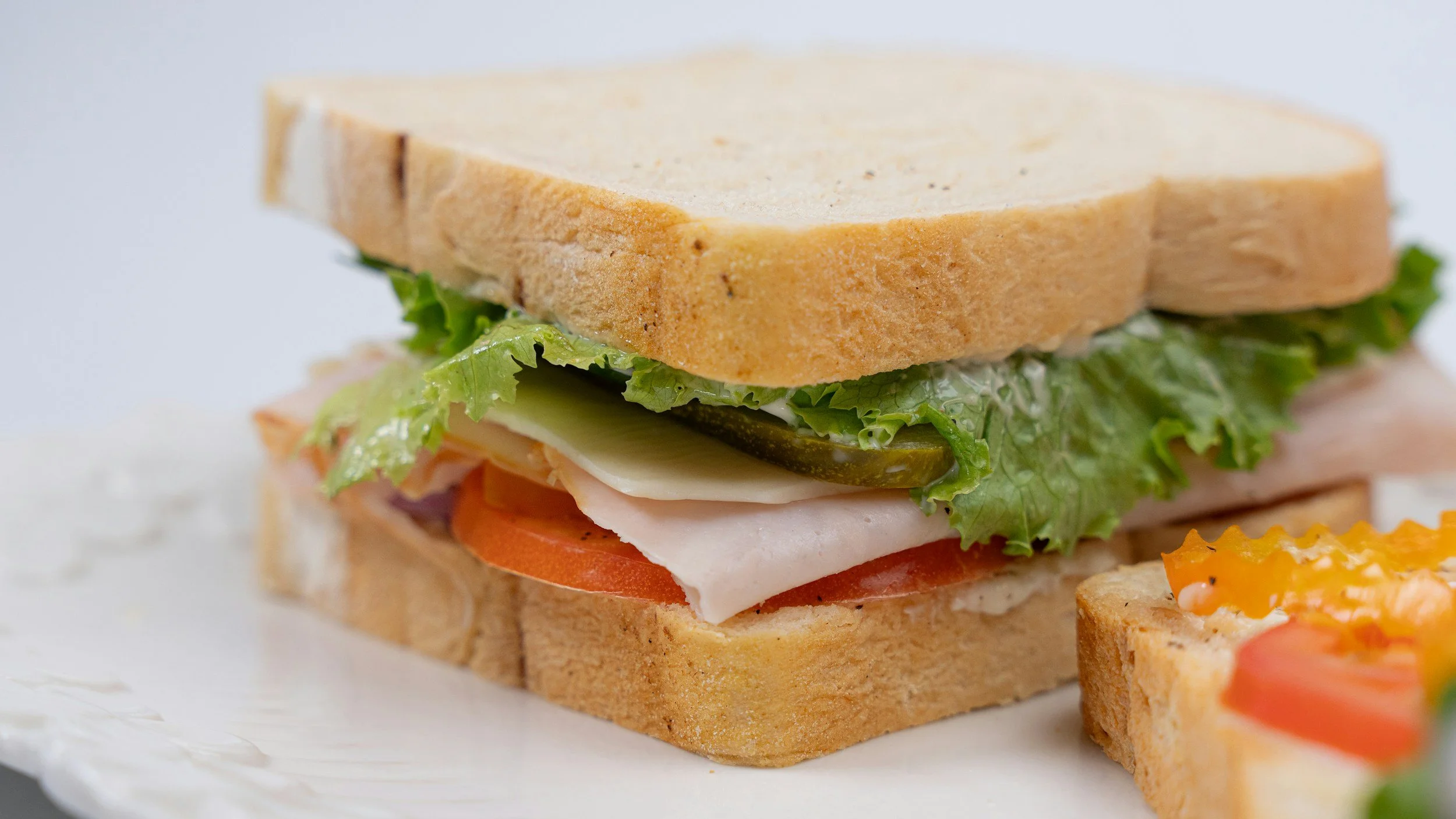
Few things beat a good sandwich when you fancy a familiar, fuss-free lunch on the trail. With endless combinations of bread, fillings and spreads, you can keep it simple or make it as filling as you like.
Tuna, egg, chicken, cheese, and peanut butter all work well. Wrap them individually or cut them into smaller portions for easier eating.
For longer outings, consider how well your fillings will keep without refrigeration. Use an insulated lunch bag with an ice pack for perishable ingredients, particularly in warm weather.
Wraps
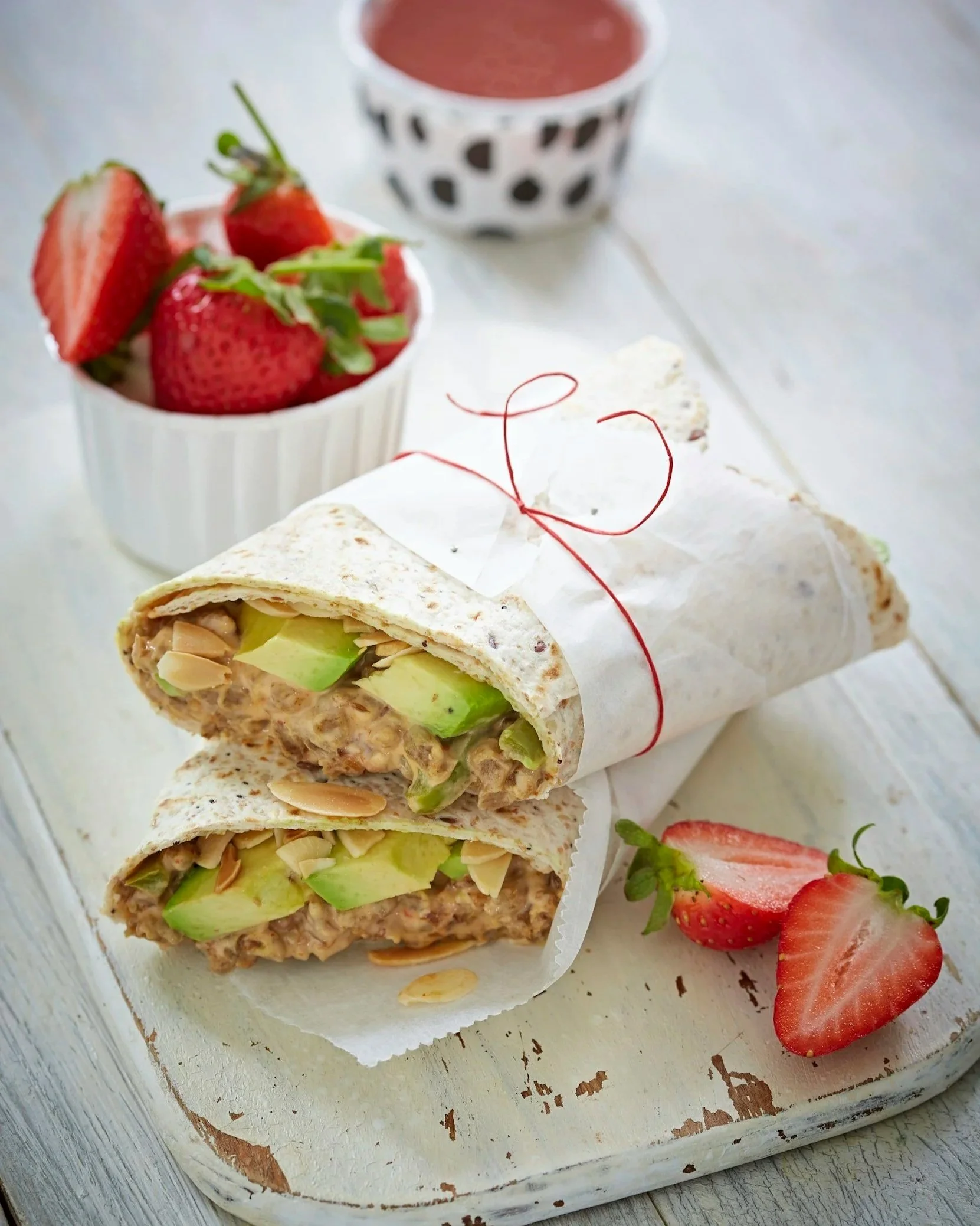
A wrap makes a handy alternative to sliced bread, especially if you want something easy to pack and hold.
Tortillas and other flatbreads can be rolled around almost any filling. As with sandwiches, tuna, chicken, scrambled eggs and peanut butter all work well, while sweet fillings are worth trying too.
You can make your own at home or pick up ready-made wraps from supermarkets and convenience stores. They're a convenient choice when you want something prepared ahead of time without having to make a full packed lunch.
Filled buns
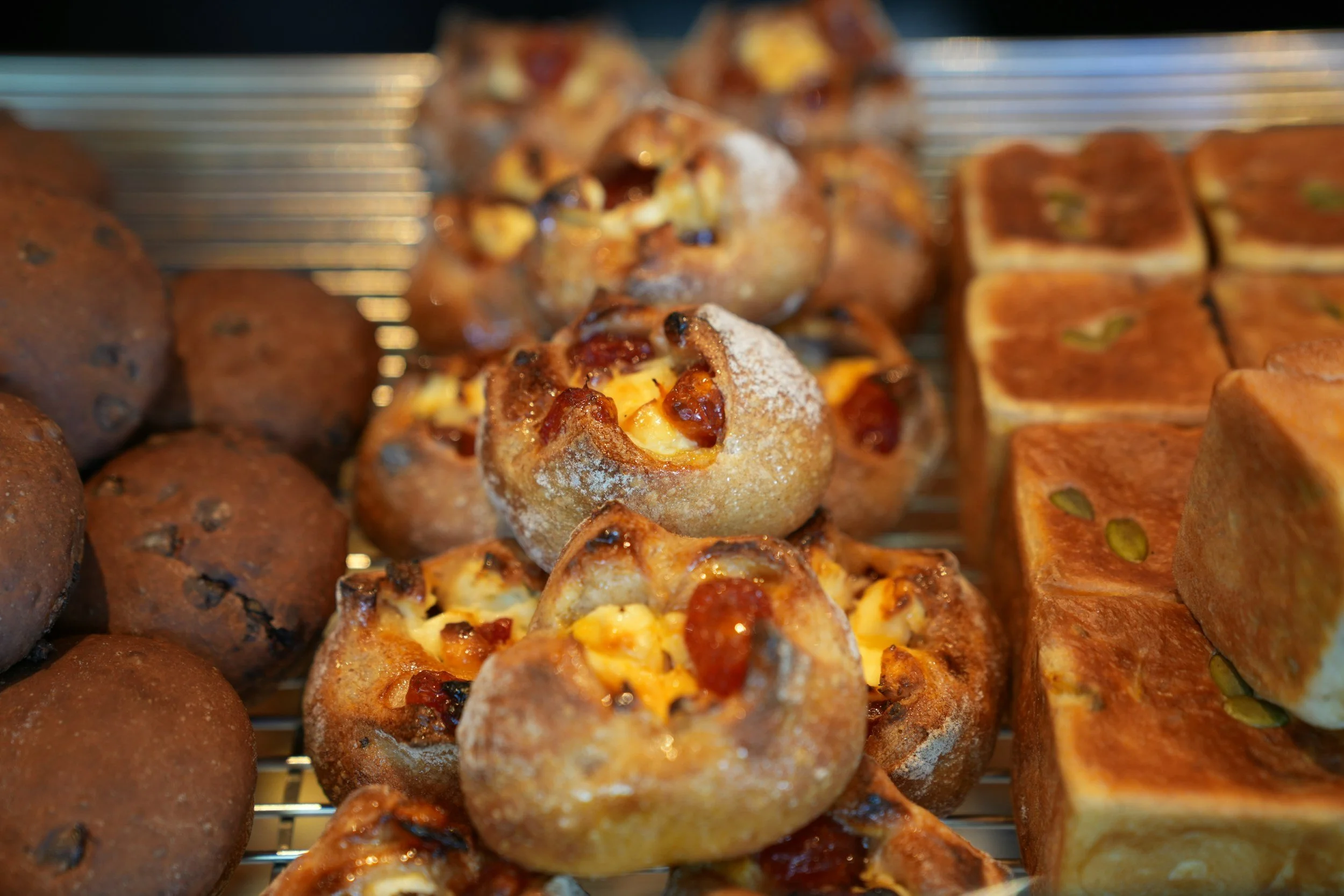
A filled bun gives you bread and a savoury filling in one package. You can pick up Asian or Western varieties from a bakery or supermarket before your hike.
Savoury buns with substantial fillings can make a decent meal, while sweet buns are better for a quick energy boost.
Look for fillings that don’t need refrigeration, particularly if you’re hiking in warm, humid weather. Meat, seafood, egg, and dairy-based fillings can spoil, so don’t leave them in your backpack for long.
Onigiri
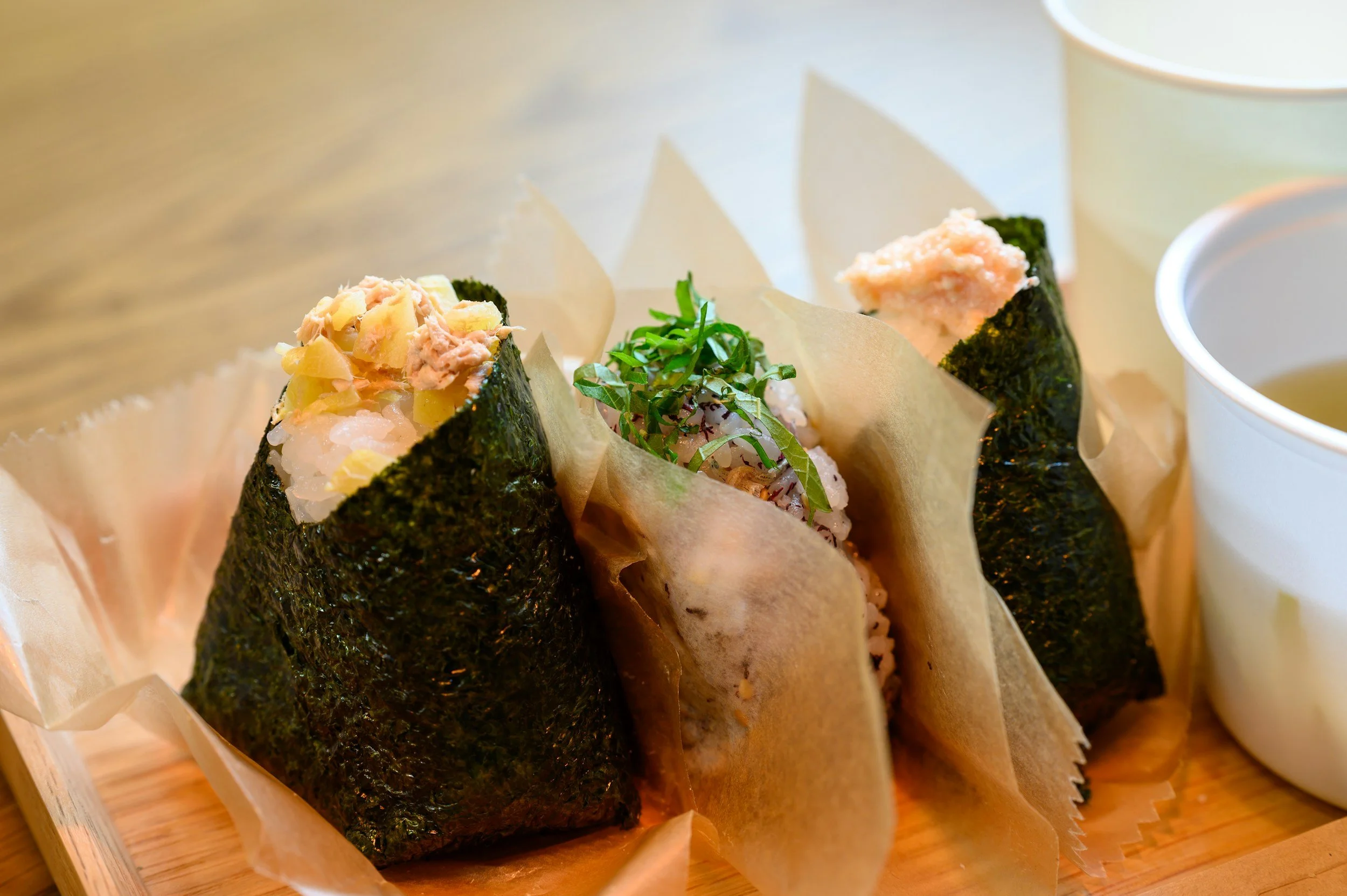
For something compact that you can eat without cutlery, try onigiri. These Japanese rice balls are typically shaped into triangles or rounds, with a savoury filling in the middle and a strip of dried seaweed (nori) wrapped around the outside.
One onigiri makes a handy snack, while a few can add up to a satisfying hiking meal. Popular fillings include tuna mayonnaise, salmon and pickled plum. Korea has a similar convenience-store snack called samgak-gimbap, with its own range of fillings and seasonings.
You can make your own or look for ready-made onigiri and samgak-gimbap at convenience stores and Asian supermarkets.
Rolled omelette
If you're looking for a change from hard-boiled eggs, rolled omelette makes a tasty alternative.
Popular in Japanese and Korean lunchboxes, tamagoyaki and gyeran-mari are made by cooking thin layers of beaten egg and rolling them together, sometimes with chopped vegetables or other fillings.
Slice them into bite-sized pieces, or leave them whole if you’d rather eat them by hand. They’re also good cold or at room temperature, so they suit a packed breakfast or lunch.
Tuna with crackers
No cooking required. A tin or pouch of ready-to-eat tuna with crackers makes a protein-packed hiking snack or small meal.
Scoop the tuna straight from the pouch with the crackers. You can add seasoning if you like, but it’s fine without.
If your crackers get crushed in your backpack, there's another way to enjoy them. One hiker on Reddit shared that he mixed his tuna with the smashed crackers and ate everything straight from the pack. Not particularly elegant, perhaps, but practical!
Pasta
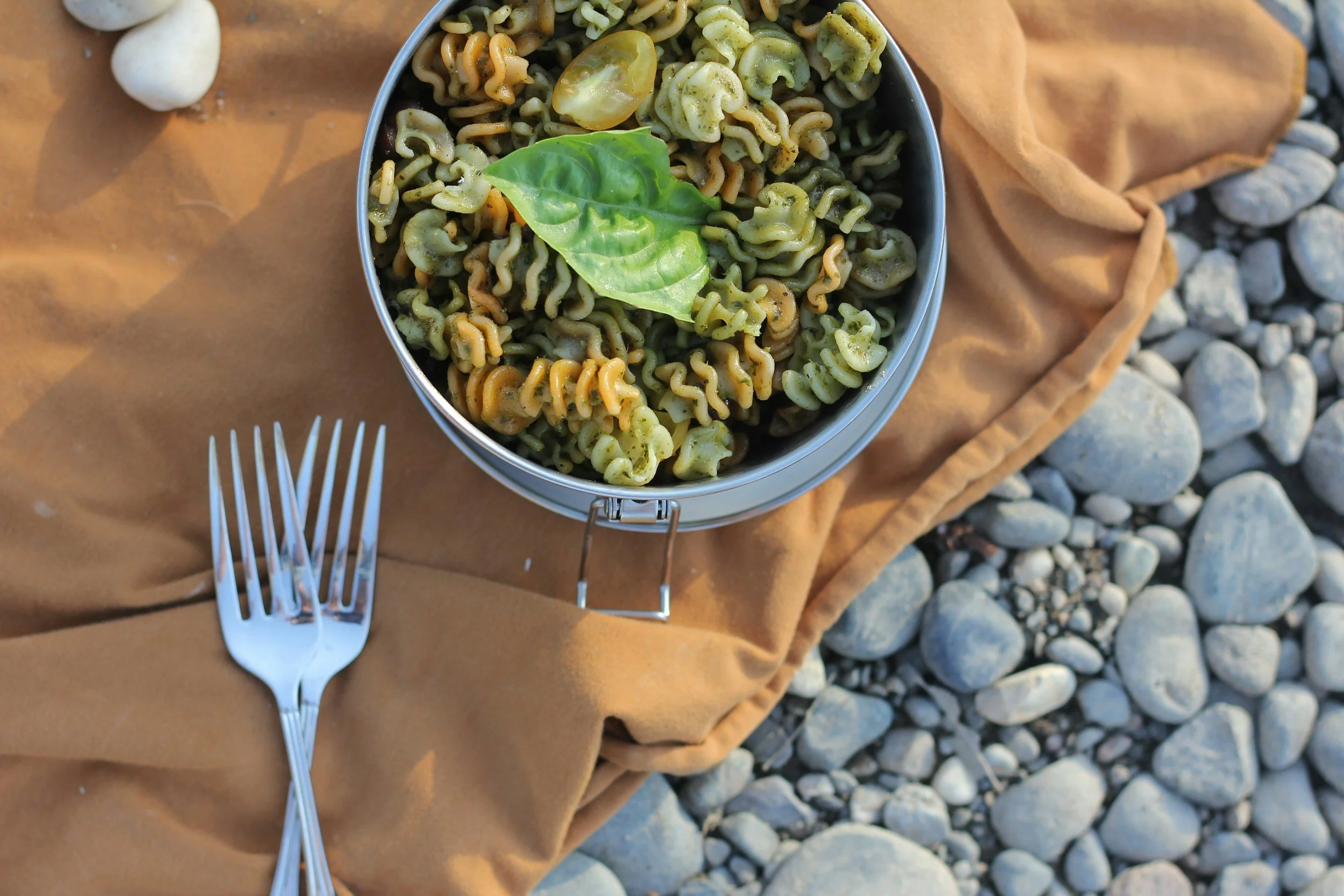
There’s more to pasta than a campsite dinner. From a simple tomato sauce to a creamy carbonara, it makes a satisfying meal after a day on the trail.
Smaller shapes like macaroni and shells, or thinner spaghetti, are good choices if you want something that doesn’t take long to cook.
Add anything from tuna and cheese to vegetables and mushrooms. Keep it as basic or elaborate as you like, depending on what you’re willing to carry and cook.
Noodles
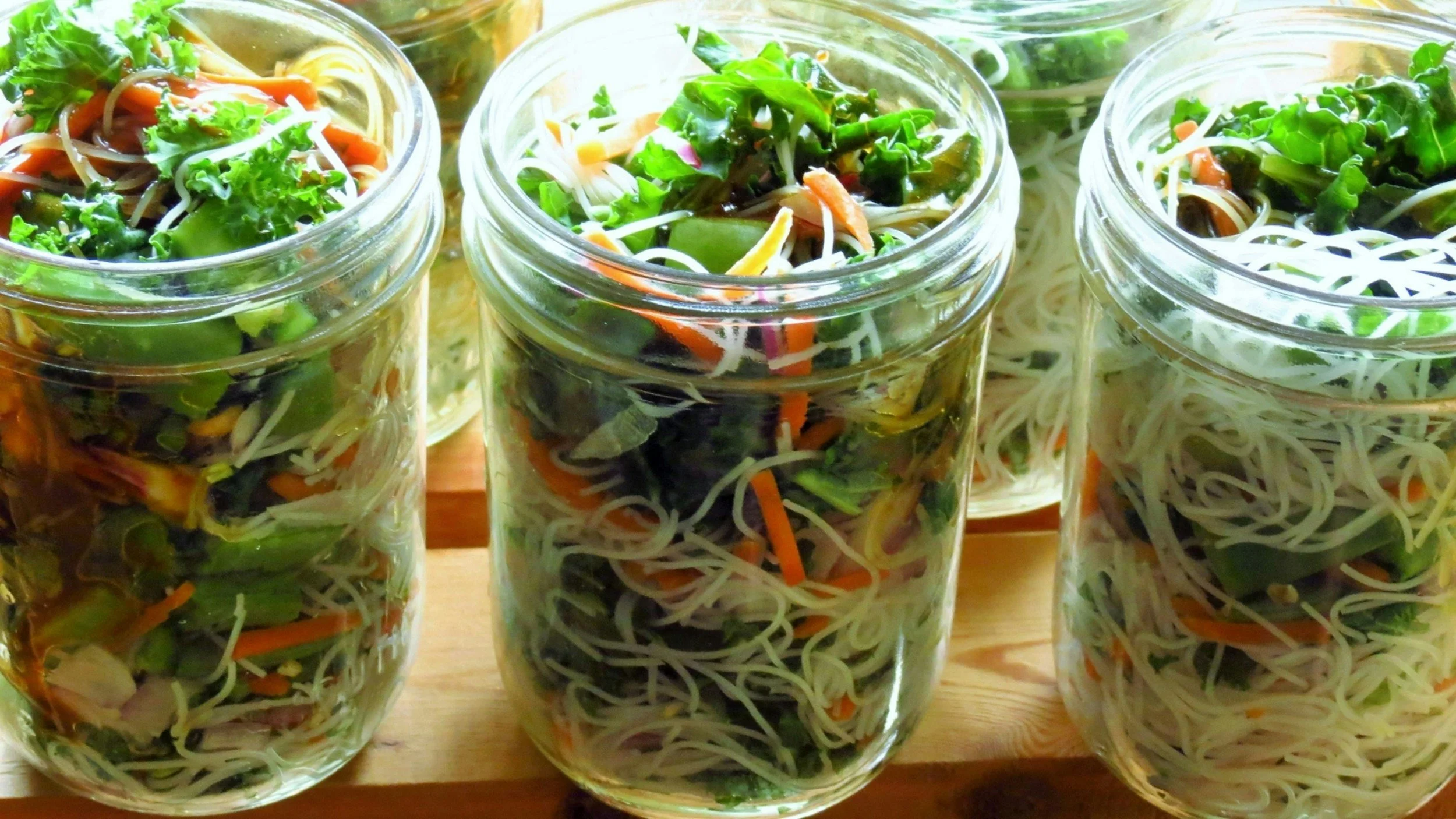
Noodles are a quick meal when you want something that takes little time to prepare. You don't have to rely on packaged instant noodles either; you can put together your own version with a few simple ingredients.
Swap the packet noodles for plain dried noodles such as rice vermicelli (bihun) or thin wheat vermicelli (misua). Add a bouillon base, soy sauce and pepper, then choose from dried shrimp, dehydrated tofu or vegetables for extra substance.
You can also bring fresh ingredients for a day hike, provided you can keep them properly stored. Pack everything in a suitable heatproof container with a lid, pour in boiling water and let the ingredients soften. Thicker noodles may need to be par-cooked beforehand.
That said, being Malaysian, I can't resist a cup of instant noodles if there's one available.
Instant soup
Sometimes you don’t need a snack or a meal, just something to sip during a break. Instant soup makes a nice pick-me-up, especially on chilly mornings or at the summit.
Look for powdered varieties in individual sachets, with flavours such as mushroom or chicken. Empty a sachet into a mug, add hot water and stir. It’s easy to have alongside your other hiking food.
Instant porridge
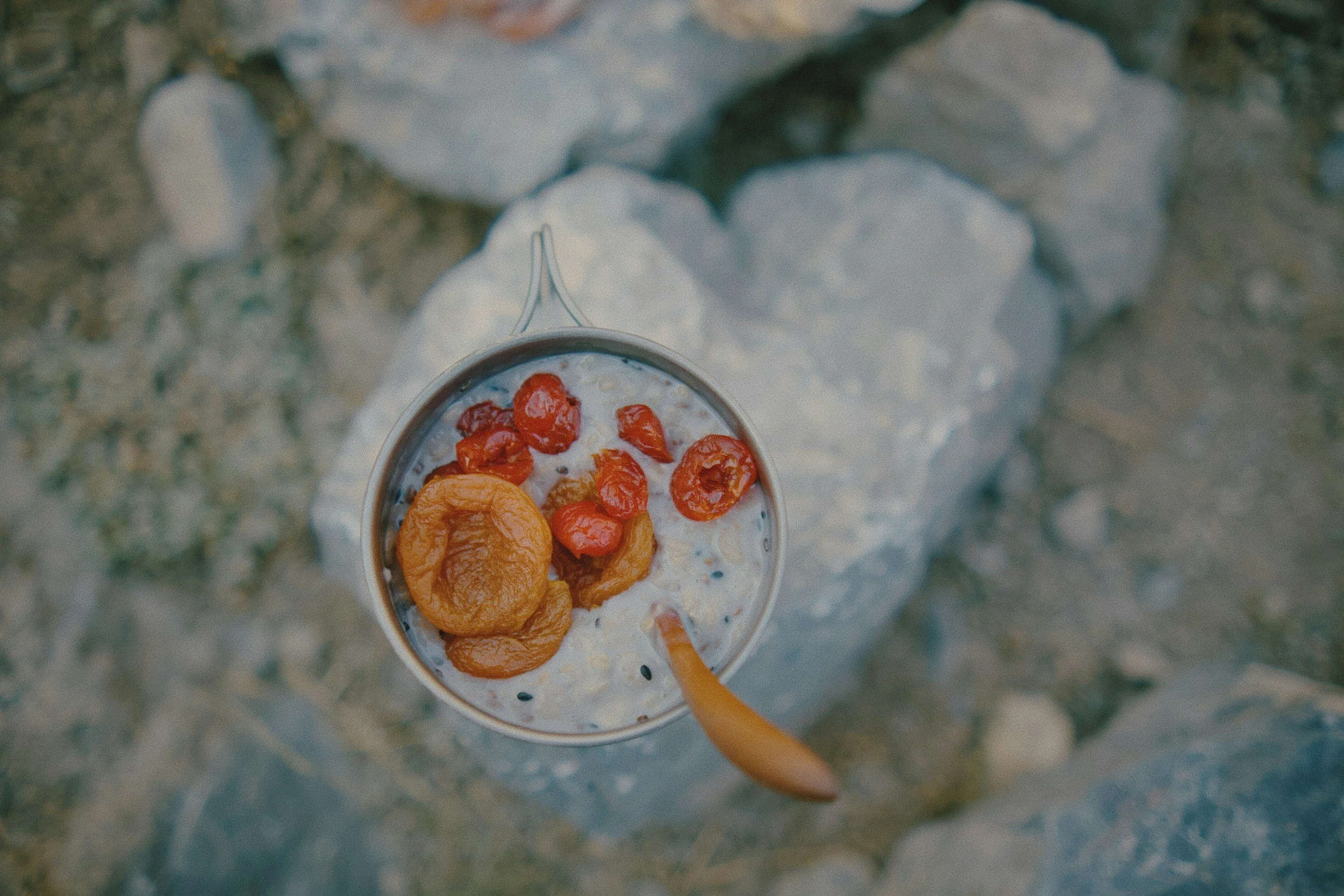
Porridge is the softer, easier-to-eat option, either a savoury rice-based version or a simple bowl of oats.
Instant sachets are light to pack and just need hot water: stir and leave to rehydrate. Quick oats can also be soaked in cold water if you don’t have a stove, although they take longer to soften.
Energy bars
Energy bars are the easiest thing to keep within reach when you want a bite on the trail without stopping for a meal.
Varieties range from oats and nuts to dried fruit and chocolate. Some are little more than a snack, while larger bars are more filling and can tide you over until your next meal.
Similar Posts






Not sure what food to pack for a hike? Get ideas for easy hiking snacks, filling meals and quick bites that are simple to prepare and carry.