50+ unique travel words and their meanings
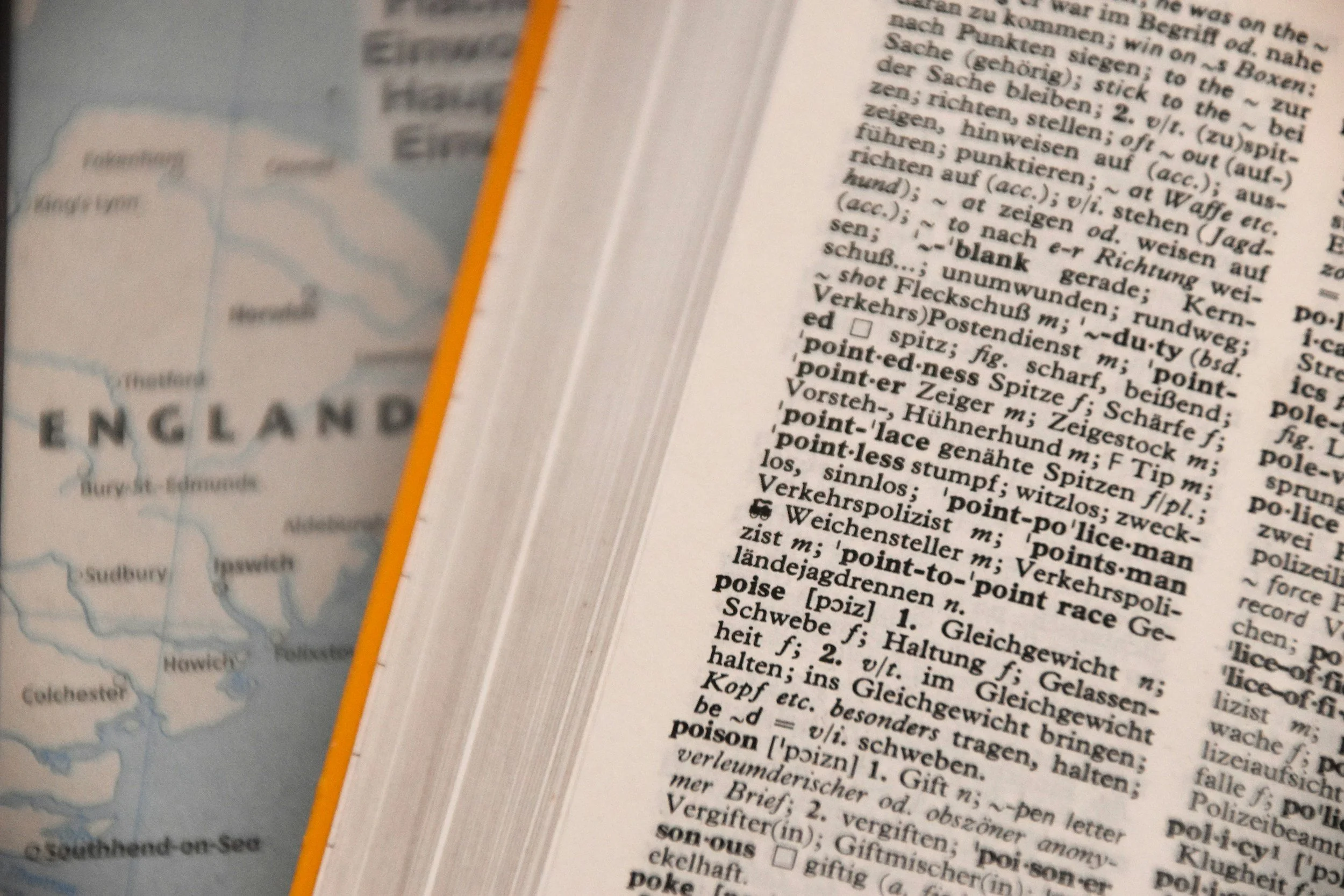
I've always been drawn to words. Not necessarily the complicated ones (though, thanks to Manglish and the mix of languages I grew up hearing, I often have to look them up).
While looking for words about travel, I came across expressions from other languages that were beautiful, oddly specific, or seemed to capture a feeling that English doesn't quite have an equivalent for.
One of the places I explored was Tim Lomas's Positive Lexicography, a collection of words and phrases from different languages associated with wellbeing and human experience. It got me thinking about how some of these words might relate to travelling, even when they weren't originally about travel.
Here are some of the unique travel words that caught my attention, along with their meanings and the different ways they can help us think about the experience of going somewhere.
A collection of words about travel
The longing for elsewhere
Elvágyódás (Hungarian, noun)
A desire or need to escape from one's current surroundings.
Not every urge to travel comes from curiosity about a particular destination. Sometimes, you just need to get away from where you are. The distinction matters: wanting to leave isn't necessarily the same as knowing where you want to go.
Fernweh (German, noun)
Literally combining fern, meaning far or distant, and Weh, meaning pain or woe, Fernweh is often described as a longing for faraway places. It is sometimes translated as the opposite of homesickness.
This is the feeling of looking at somewhere you've never been and wanting to go there anyway. You might not know much about the place, or even have a particular destination in mind. You just want to be somewhere else.
Hrepenenje (Slovenian, noun)
A longing for something that has not yet happened.
Most forms of nostalgia look backwards, towards places, people or experiences we remember. This is different. Hrepenenje points towards something that still lies ahead, a future experience we yearn for despite not having lived it yet.
Perhaps it's a place you've been dreaming of visiting, or a version of yourself you hope to become along the way.
Novaturient (adjective, English usage)
A rare, Latinate word used to describe a desire for significant change, particularly in one's life or circumstances.
A trip can be a holiday, an adventure, or a chance to step outside your usual routine. Sometimes, though, the desire to travel is tied to a bigger question about how you want to live. A change of scenery might not solve everything, but it can give you room to think.
Resfeber (Swedish, noun)
The mix of excitement and nervousness a traveller feels before setting off on a journey.
There is something reassuring about having a word for this particular combination of feelings. You can be looking forward to a trip and worrying about it at the same time. One doesn't cancel out the other.
Schwellenangst (German, noun)
Fear or anxiety about crossing a threshold, whether literally or metaphorically. The word combines Schwelle, meaning threshold, with Angst, meaning fear or anxiety.
Sometimes the hardest part of a trip is deciding to go. There is the unfamiliarity of arriving somewhere new, making plans alone, or stepping away from the routines that make life feel predictable. The threshold doesn't have to be a physical doorway. It can be the decision itself.
Sehnsucht (German, noun)
An intense, often bittersweet longing or yearning for something beyond one's present reality. It can be a place, a different life, or something difficult to define.
Travel can sometimes be about more than wanting to see a new destination. It can be about wanting a different version of everyday life, even if you haven't quite worked out what that looks like. Sehnsucht gives that feeling a name.
Torschlusspanik (German, noun)
Literally, the panic of a closing gate. It describes the anxiety that opportunities are disappearing as time runs out, particularly as one gets older.
Have you ever felt you should go somewhere, try something, or make a change before it's too late? That sense of urgency can influence the way we travel, from finally booking a long-postponed trip to worrying about all the places we haven't seen.
It's worth remembering that travel doesn't need to become another deadline to meet. There will always be somewhere else to go.
Vorfreude (German, noun)
Joyful anticipation of a future pleasure. The Dutch word voorpret expresses a similar idea.
Sometimes the planning is part of the pleasure. Looking up places to visit, imagining what a destination might be like, and counting down the days can make a trip enjoyable before it has even begun. The anticipation becomes an experience of its own.
Wanderlust (German, noun)
A strong desire to travel and explore. The word combines wandern, meaning to hike or wander, with Lust, meaning desire or pleasure.
Wanderlust was one of the first foreign words I learnt that seemed to describe something I hadn't known how to put into words. I didn't even realise it was German at first. I just liked how a single word could capture a feeling I recognised but couldn't quite explain.
It's probably overused now, especially in travel writing, but I still like the word. Perhaps I'm a little biased.
The art of wandering
Fjellvant (Norwegian, adjective)
Accustomed to being in or walking through the mountains.
Some people feel at home in the mountains, while others are more comfortable on city streets or by the sea. Being fjellvant suggests a familiarity that comes with experience, when an unfamiliar landscape becomes somewhere you know how to navigate.
Flâneur (French, noun)
Someone who strolls through a city without a particular destination, observing the people and life around them. The related verb flâner means to stroll or wander leisurely.
There is a difference between walking through a city to get somewhere and walking through it just to see what you notice. The latter leaves room for the things you might otherwise miss: an interesting shopfront, a quiet side street, or a glimpse of everyday life.
Hanyauku (Rukwangali, verb)
To walk on tiptoe across hot sand.
If you've ever crossed hot sand barefoot, you probably don't need much explanation. It's a wonderfully specific word for one of those small physical experiences that can become part of a travel memory.
Magosaha (Sama, noun)
Seeking a livelihood at sea. The term is associated with the Sama Dilaut, whose movement across the sea is connected to finding sustenance and making a living.
The word offers a different perspective on life at sea. Going somewhere by sea isn't always a matter of choosing an adventure or taking a holiday. For some communities, the sea is closely tied to livelihood and everyday life.
Polýtropos (πολύτροπος) (Greek, adjective)
Having many turns or twists; the word can also describe someone resourceful, versatile or wily. Its meaning depends on context, so it isn't simply another word for being well travelled.
A journey rarely goes exactly to plan. Missed connections, unfamiliar customs and unexpected changes can all call for a bit of resourcefulness. Sometimes, the experience that stays with you isn't the place you reached, but how you handled getting there.
Solivagant (Latin, noun & adjective)
A lone wanderer, or someone who wanders alone.
Imagine spending an afternoon exploring an unfamiliar town on foot, turning down side streets on a whim and stopping wherever something catches your eye. There's no need to coordinate plans or agree on where to go next. You can follow your curiosity at your own pace.
Tîeow (Thai, verb)
To wander or roam around in a carefree way.
Not every walk needs to lead to a famous landmark or produce a collection of photographs. Sometimes, it's enough to head out and see what catches your attention.
The unexpected things we find
Dépaysement (French, noun)
The feeling of disorientation that comes from being in unfamiliar surroundings, particularly in a foreign country. It can be unsettling, but it can also be an enjoyable change of scene.
In a new place, even ordinary things can take a little more effort. The signs look different, familiar routines no longer apply, and a simple errand might require more thought than usual. Perhaps that's part of why we travel to different places: to step outside the familiar and see the world from a different perspective.
Dinnseanchas (Irish, noun)
The lore associated with places, including the stories behind place names, local legends and traditional accounts of a landscape.
A place can take on a different character once you know its stories. A hill might be associated with an old legend, or a place name might preserve traces of how people once understood the landscape around them. Learning about a destination's folklore can add another layer to what you see, even when the stories belong more to tradition than verifiable history.
Selcouth (Old English, adjective)
Rare, strange or unfamiliar; also, wondrous or marvellous.
It's an old word that feels surprisingly apt for travel. Something doesn't have to be famous or spectacular to feel selcouth. It might be a building unlike any you've seen before, a custom you're encountering for the first time or a landscape that looks nothing like home.
Trouvaille (French, noun)
A lucky find, particularly something valuable or interesting discovered by chance.
You might stumble upon a second-hand bookshop while looking for a café, find a quiet lane away from the crowds or come across a local market you hadn't known existed. These discoveries can become memorable parts of a trip precisely because you weren't looking for them.
Ultima Thule (Latin, noun)
A distant or remote place at the edge of the known world. Thule was described in classical accounts as a far-northern land, and ultima Thule came to suggest a place at the furthest limits of the known world.
Even now, when maps and travel guides make the world feel familiar, some places seem remote simply because they lie far beyond our everyday experience. Ultima Thule captures the allure of somewhere at the limits of what we know.
Víðsýni (Icelandic, noun & adjective)
A panoramic view; also, open-mindedness or breadth of perspective.
Travel offers literal change of scenery, but it can also expose us to ways of living that differ from our own. Seeing those differences doesn't automatically make us more open-minded, but it can give us reason to question assumptions we've rarely had to examine.
Finding wonder in nature
Friluftsliv (Norwegian, noun)
Literally, “open-air life”. It describes a way of life centred on spending time outdoors and connecting with nature.
You don't need to climb a mountain or go on a multi-day hike. A walk in a park, an afternoon by the sea or a quiet spot beneath a tree can be enough. If you'd like more ideas for spending time outdoors, here's a collection of nature activities for better mental health.
Gökotta (Swedish, noun)
Getting up early to go outdoors and listen to birds sing, traditionally associated with listening for the cuckoo.
I'm not naturally inclined to wake up early for much, but I can understand the appeal of experiencing a place before the day gets busy. The birdsong, cooler air and relative quiet offer a different side of somewhere you might otherwise see at its busiest.
Komorebi (木漏れ日) (Japanese, noun)
Sunlight filtering through the leaves and branches of trees, creating shifting patterns of light and shade.
It's the sort of detail that's easy to miss when you're walking somewhere with your mind on the destination. Then a shaft of sunlight catches your eye, or the breeze shifts the shadows on the ground, and you find yourself looking up.
Mångata (Swedish, noun)
Literally, “moon road”. The shimmering, road-like reflection of moonlight on water.
Once you know there's a word for that trail of light, you might find yourself looking for it the next time you're near the sea or a lake on a clear night.
Petrichor (English, noun)
The earthy smell that arises when rain falls on dry ground.
Rain isn't always welcome when you're travelling, especially if you've planned a day outdoors. But that familiar earthy smell after a long dry spell can be a sensory memory in its own right. Sometimes, what you remember about a place isn't a landmark but the way the air smelled after the rain.
Shinrin-yoku (森林浴) (Japanese, noun)
Literally, “forest bathing”. A practice of spending time in a forest and engaging with the natural surroundings through the senses.
Despite the name, there's no actual bathing involved. The idea is to slow down and take in the forest's sights, sounds, smells and atmosphere, rather than treating it as scenery to pass through on the way somewhere else. You don't need to cover a certain distance or reach a particular viewpoint.
Uitwaaien (Dutch, verb)
Literally, something like “to blow out in the wind”. It means going outdoors, often into the wind, to get some fresh air and clear your head.
Sometimes, a walk isn't about seeing anything in particular. You might head out feeling restless, spend some time in the open air and return feeling a little less cooped up. That simple change of surroundings is one reason travel can feel restorative, as I explore in this guide to travel as therapy.
Ukiyo (浮世) (Japanese, noun)
Literally, “floating world”. Historically, the term was associated with the fleeting pleasures of life and the entertainment districts of Japan's Edo period. It can also evoke the transient nature of human experience.
Travel is full of moments that can't quite be kept: the light at a particular time of day, a view from a moving train or the last few minutes before the sun disappears. Photographs can preserve a glimpse, but not quite the experience of being there.
Wabi-sabi (侘寂) (Japanese, noun)
An aesthetic associated with simplicity, imperfection and the marks of time, often finding beauty in things that are weathered, incomplete or impermanent.
Travel can make it tempting to seek out the most impressive views and picture-perfect places. But a weathered wooden building, a moss-covered stone or a landscape marked by the seasons can be worth noticing, too.
Waldeinsamkeit (German, noun)
Literally, “forest solitude”. It describes the feeling of being alone in the woods, often with a sense of quiet or solitude.
There's a particular stillness that comes with being surrounded by trees, away from the usual noise of daily life. For some, that solitude feels peaceful; for others, being alone in a forest might be unsettling. Either way, the word captures a feeling that can be difficult to describe in a single English word.
Yūgen (幽玄) (Japanese, noun)
A subtle, profound sense of mystery or beauty that cannot be fully expressed in words.
A mist-covered mountain, a vast night sky or the sea disappearing into the distance might leave you with a sense of wonder that's difficult to put into words. Yūgen is one way to think about that elusive quality, when something seems to hold more than you can quite see or explain.
Finding a place to belong
Cocagne (French, noun; also known as Cockaigne in English)
An imaginary land of abundance and ease, where life is free from hardship and everyday needs are effortlessly met.
Unlike the other words in this section, Cocagne describes a mythical place rather than a feeling of comfort or belonging. It brings to mind the fantasy of finding somewhere where everything is taken care of and there's little to worry about. Perhaps that's part of the appeal of an idealised holiday, too: the hope of temporarily escaping the usual demands of everyday life.
Cwtch (Welsh, noun & verb)
As a noun, a cuddle or a safe, welcoming place. As a verb, to cuddle or get cosy.
Cwtch can mean both a hug and a place of refuge. It's a reminder that the feeling of being safe and welcome isn't necessarily tied to a particular destination. Sometimes, it's the people who make somewhere feel like home.
Gemütlichkeit (German, noun)
A feeling of comfort, cosiness and homeliness.
Like hygge, Gemütlichkeit can describe a welcoming atmosphere, but it also carries a sense of being at ease. Think of a little cafe where you feel comfortable lingering over your drink, or a guesthouse where you settle in more easily than expected. It's that feeling of being able to relax rather than feeling like a visitor who needs to move on.
Gezellig (Dutch, adjective)
Cosy, pleasant and sociable, often describing an enjoyable atmosphere shared with other people.
A place can be lovely to look at and still feel a little cold or impersonal. Gezellig puts the emphasis on the atmosphere and the company, whether that's a lively gathering with friends or a quiet evening spent together. It suggests that what makes a place enjoyable isn't always the place itself, but what happens there.
Hygge (Danish/Norwegian, noun)
A sense of cosiness, warmth, comfort and contentment, often associated with simple pleasures and spending time with people you enjoy.
Hygge is often associated with candles, blankets and a cosy home, but it isn't just about creating a particular atmosphere. It can also be found in an unhurried evening with friends, a warm drink on a rainy day, or the pleasure of having nowhere else you need to be. Sometimes, the best part of travelling is finding those small comforts in an unfamiliar place.
Querencia (Spanish, noun)
A place where someone feels secure and draws strength.
A querencia isn't necessarily where you live, or even somewhere you've been before. It might be a place you return to when you need to feel grounded. Travel can offer a change of scenery, but it can also help you recognise the places where you feel most like yourself.
Smultronställe (Swedish, noun)
Literally, a “wild strawberry patch”. It refers to a special place where you can retreat, relax or enjoy a little time to yourself.
I like the idea that everyone might have a smultronställe, whether or not they have a word for it. It could be a quiet beach, a bench in a park, a tucked-away cafe or a particular walking route. It doesn't have to be famous or impressive. Its value comes from what it means to you.
The places and people we miss
Dor (Romanian, noun)
A deep, bittersweet longing for someone or something absent, whether a person, place or time.
You might feel dor for someone waiting for you at home, a place you once visited, or a time in your life that has passed. It's a reminder that longing doesn't always mean wanting to go somewhere new. Sometimes, it's about wanting to be close to something you've left behind.
Hiraeth (Welsh, noun)
A deep longing for one's homeland, often tinged with nostalgia and wistfulness. It can also evoke a yearning for a place that is lost, distant or impossible to return to.
Home can mean more than the place where you live. It might be a landscape, a community or a sense of belonging that becomes harder to recapture as time passes. Sometimes, even returning home can't quite recreate the feeling you remember.
Morriña (Galician, noun)
Longing or homesickness, particularly for one's homeland.
Being away can make familiar things feel more precious than they did when they were part of everyday life. You might miss the food, the language, the people or simply the ease of knowing how things work. It's often the ordinary details that make a place feel like home.
Natsukashii (懐かしい) (Japanese, adjective)
A feeling of fond nostalgia when something brings back a cherished memory; often expressed in English as “nostalgic” or “dear old”.
A familiar song playing in a shop, a smell that reminds you of somewhere you've been, or a photograph from an old trip can bring a memory back unexpectedly. You may not have been thinking about that moment for years, but suddenly it feels close again.
Saudade (Portuguese, noun)
A bittersweet feeling of longing for someone or something absent, often accompanied by affection, nostalgia or wistfulness.
You might feel saudade for someone you left behind, a place you once visited, or a period of your life that has passed. Sometimes, what you miss isn't just the person or place itself, but the memories and feelings associated with it.
Toska (тоска) (Russian, noun)
A word encompassing longing, yearning, melancholy or a sense of unease. Depending on the context, it can be directed towards someone or something specific, or be harder to explain.
Sometimes, you know exactly what you miss. At other times, you feel a vague sense of longing without being able to identify what would make it go away. Travel doesn't necessarily resolve that feeling, but being somewhere unfamiliar can sometimes bring it into sharper focus.
Seeing the world, and ourselves, differently
Datsuzoku (脱俗) (Japanese, noun)
Freedom from convention and routine; stepping away from the ordinary or familiar.
A change of routine doesn't have to be dramatic. Sometimes it's enough to take an unfamiliar route, leave a day unplanned or do something simply because it's different from what you usually do.
Kopfkino (German, noun)
Literally, “head cinema”. The scenes and images that play out in your mind's eye.
Before a trip, you might imagine wandering through old streets, sitting at a cafe or watching the sun set over the sea. Reality rarely follows the script exactly, but the imagined version of a place can be part of the anticipation, too.
Nefelibata (Portuguese, noun)
Literally, “cloud-walker”. A daydreamer, often described as someone who thinks independently or lives outside conventional expectations.
Some journeys begin as daydreams long before they become actual plans. You might wonder what it would be like to live somewhere else or take a path that doesn't fit the usual script. A daydream doesn't have to become a plan to be worth having.
Meraki (μεράκι) (Greek, noun)
Doing something with creativity, care and a deep sense of involvement, putting a part of yourself into what you do.
You might spend an afternoon learning to make a local dish, take your time photographing an ordinary street or become absorbed in a small detail most visitors pass by. Sometimes the difference lies less in what you see than in the attention you give it.
Sonder (English, noun)
The realisation that every person you encounter has a life as vivid and complex as your own, unfolding beyond your awareness.
In a new place, it's easy to see fellow passengers, shopkeepers and people hurrying to work as part of the scenery. Then you remember that each has their own concerns, relationships, memories and plans. You're seeing only a small part of their world, just as they're seeing only a small part of yours.
Similar Posts




Curious about dark tourism in Malaysia? These places with a dark history reveal stories of war, disaster, imprisonment, displacement, and more.