Cruise ships & travel: passengers who love them, crew who live in them
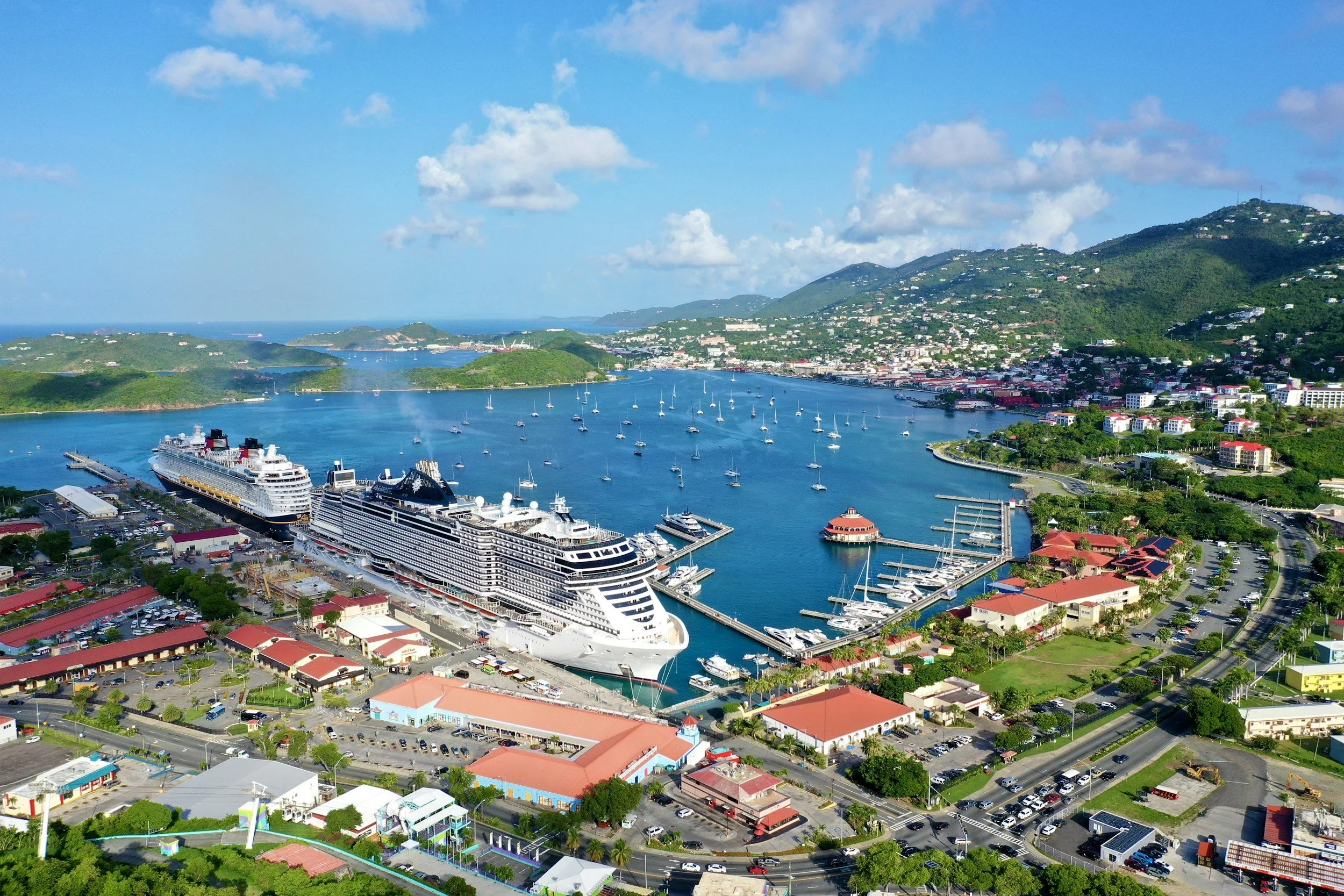
Until I started working at sea, I thought of travel as something you planned, executed, and returned home from. Airports, backpacks, and the budget hotel. Stepping onto a cruise ship for the first time disrupted that completely. Travel became something I lived inside rather than something I chased from the outside.
I didn’t realise it then, but this shift would make me notice cruise ships and travel in a different way – how one enables the other, how one is leisure for some and livelihood for others. A small exploration into that strange relationship felt overdue.
As escape
Cruise ships are often marketed as a kind of temporary disappearance from real life. Passengers board with the promise of switching off: no dishes to wash, no traffic to sit in, no decisions to make beyond balcony or buffet.
For them, the ship becomes a floating pause button, where time stretches just enough for people to forget where their phones are (unless they’re using them as cameras).
For crew, the escape is less glamorous, but no less meaningful. Many join because ship life offers what land life didn’t: better pay, a break from monotony, or simply the chance to be somewhere else for a while.
To passengers, the ship is an escape to something – rest, novelty, a week of curated happiness.
To crew, the ship is an escape from something – financial limits, routine, or the feeling of being stuck.
And yet both groups step onto the same gangway, carrying entirely different versions of relief.
As work
What looks effortless to passengers is usually the result of someone else’s long shift. A sparkling stateroom, a perfectly folded towel animal, a plate that appears the moment hunger does – all of it has an invisible trail of labour behind it.
Passengers see ease; crew sees the choreography required to keep thousands of people convinced that the ship runs on charm alone.
The hidden world beneath the holiday has its own rituals and extremes.
Passengers are served travel; crew produces it. The same sunset that inspires a hundred photos might be, for a deckhand, the background to hauling mooring lines or repainting steel.
And yet the contrast rarely shows. From the guest’s perspective, the ship glides; from the crew’s, it never truly stops moving.
There’s a certain humour in this duality. Passengers marvel at how the magic never breaks. Crew marvel at how the magic is always one missed step away from breaking.
And still, somehow, the show goes on – twenty-four hours a day, with a smile, or at least something convincingly like one.
As travel
Passengers often travel by collecting destinations. They count ports, visit landmarks, and return onboard with a camera full of photos and that pleasant kind of tiredness. For them, travel happens in clear, highlight-worthy moments.
Crew travel differently, though not always in contrast. Their version of travel usually sits in the quieter spaces – walking the same shopping mall for the umpteenth time because it has reliable wifi, heading straight to a supermarket for toiletries, or grabbing a familiar meal before rushing back for duty.
Passengers prepare for port days with itineraries and expectations. Crew prepare around whatever their schedule allows. Sometimes it’s a full afternoon off; sometimes it’s an hour to run one errand and return before shore leave ends.
The difference is simple. Guests explore because they’re free to. Crew explore when work allows it.
And still, both groups are travelling – sometimes in similar ways, sometimes not – but always alongside each other, sharing the same ports for entirely different reasons.
Similar Posts




Popular Posts




Something funny happens at the end of every cruise ship contract. You think, maybe just one more. Until you don't.